Introduction
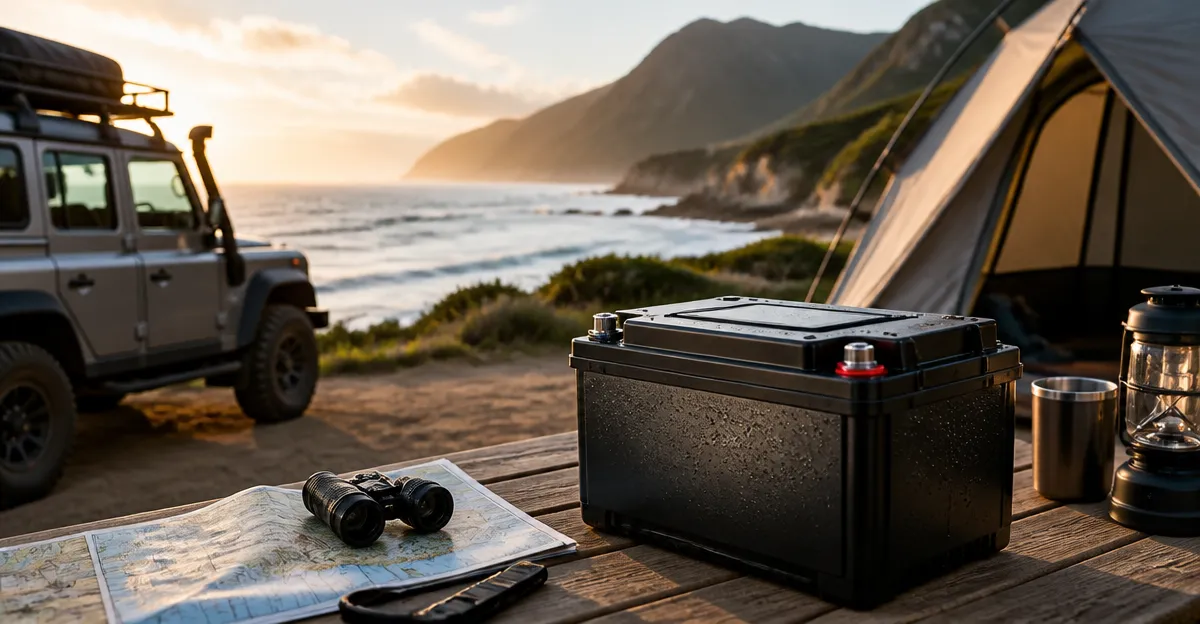
Coastal camping offers breathtaking scenery, but the salty air and high humidity create a hostile environment for lithium batteries. This guide explains how moisture can accelerate corrosion, reduce capacity, and cause unexpected failures in critical devices such as flashlights, cameras, and security sensors. Readers will learn the science behind humidity‑induced degradation, practical storage solutions, and product recommendations that perform reliably in marine climates. By the end of the article, one will be equipped to keep lithium power sources safe throughout any seaside adventure.
Background and Context
Lithium batteries, including AA, AAA, and CR123A formats, rely on sealed chemistry that is inherently resistant to leakage, yet they are not immune to external moisture. When humid air penetrates the battery housing, it can react with the metal casing, forming conductive films that promote corrosion and self‑discharge. The problem intensifies near the ocean, where salt particles act as electrolytes, accelerating the electrochemical reactions that degrade the internal components.
Understanding the difference between alkaline and lithium chemistries is essential. Alkaline cells suffer rapid voltage drop in high‑drain devices, whereas lithium cells maintain a stable 1.5 V output even under heavy load, making them the preferred choice for high‑performance camping gear. However, the superior energy density of lithium comes with a responsibility to protect it from humidity‑related damage.
Most modern lithium batteries incorporate leak‑proof construction, but the seals are tested under standard indoor conditions, not the corrosive spray of sea breezes. Therefore, campers must adopt proactive measures—such as moisture‑absorbing containers, insulated storage pouches, and periodic voltage checks—to extend battery life and ensure reliable operation when it matters most.
Choosing the Right Batteries for Coastal Environments
When selecting power sources for a coastal campsite, one should prioritize batteries that combine long shelf life, robust temperature tolerance, and proven resistance to leakage. The following products exemplify these qualities and are frequently cited by outdoor enthusiasts for their dependable performance.
- Energizer Ultimate Lithium AA 24‑Pack – 1.5 V, rated for extreme temperatures from –40°F to 140°F, and guaranteed to retain charge for up to 25 years. With a 4.7‑star rating from 37,996 reviews, users praise its leak‑proof design and consistent power for Blink cameras and high‑drain devices.
- Energizer Ultimate Lithium AA 8‑Pack – A smaller quantity ideal for lightweight packs, offering the same temperature resilience and 25‑year shelf life. Reviewers note its reliability in smoke detectors and handheld games.
- Energizer Ultimate Lithium AAA 8‑Pack – Perfect for compact devices such as remote controls and portable lanterns, this pack delivers the same high‑energy output with a 4.8‑star rating from 22,006 reviewers.
- Bevigor Lithium AA 24‑Pack – Offers a 20‑year shelf life, 3‑layer leak protection, and a weight that is 42 % lighter than alkaline equivalents. Its 4.2‑star rating reflects strong performance in cold, humid conditions.
- Duracell CR123A 6‑Pack – A 3 V high‑power option for tactical flashlights and professional cameras, backed by a 10‑year storage guarantee and a 4.8‑star rating from 22,249 users.
Each of these batteries meets the essential criteria for coastal camping: temperature tolerance, long‑term storage stability, and robust leak‑proof construction. Selecting the appropriate size (AA, AAA, or CR123A) depends on the specific devices you plan to bring.
Storage Solutions to Combat Humidity
Even the best‑engineered lithium cells can suffer if they are stored in an environment with high relative humidity. The most effective strategy is to create a micro‑climate that remains dry, cool, and insulated from salty breezes. Below are three proven storage methods.
- Silica‑Gel Desiccant Pouches: Place a small desiccant packet inside each battery compartment or storage bag. Silica gel absorbs moisture, maintaining relative humidity below 30 % inside the pouch. Replace the packets every six months for optimal performance.
- Vacuum‑Sealed Plastic Bags: Use a portable vacuum sealer to remove air from a zip‑lock bag containing the batteries. The lack of oxygen and moisture dramatically slows corrosion. Ensure the seal is intact before each trip.
- Thermal‑Insulated Battery Cases: Commercial cases with foam lining and waterproof zippers provide both temperature buffering and moisture barriers. Look for models rated IPX7 or higher for water resistance.
When combined, these methods create a layered defense that protects the battery’s internal chemistry from salt‑laden air. For example, a camper who stores the Energizer Ultimate Lithium AA 24‑Pack in a vacuum‑sealed bag with a silica‑gel packet reports no voltage loss after six months of coastal exposure.
Maintenance Practices While On‑Site
During a camping trip, batteries are subject to temperature swings, sand, and occasional splashes. Regular maintenance mitigates these risks and ensures devices remain functional.
- Inspect Seals Before Use: Visually check each battery for dents or compromised seals. Even a minor breach can allow moisture ingress.
- Clean Contact Points: Use a dry microfiber cloth to wipe the terminals of both the battery and the device. Avoid liquids; if corrosion is visible, gently scrape with a plastic tool.
- Rotate Stock: If you carry multiple packs, rotate them every few weeks to keep the oldest batteries in use, reducing the chance of long‑term storage degradation.
- Monitor Voltage: Portable multimeters allow you to verify that each cell maintains at least 1.45 V (AA/AAA) or 2.9 V (CR123A) under load. Replace any cell that falls below these thresholds.
These practices require only a few minutes each day but can prevent a sudden power loss that might jeopardize navigation lights or security cameras during a night‑time campsite.
Comparison and Selection Guide
| Battery Type | Pack Size | Shelf Life | Temperature Range | Price (USD) | Rating |
|---|---|---|---|---|---|
| Energizer Ultimate Lithium AA | 24‑Pack | 25 years | –40°F to 140°F | 39.41 | 4.7 (37,996) |
| Energizer Ultimate Lithium AA | 8‑Pack | 25 years | –40°F to 140°F | 15.99 | 4.7 (70,435) |
| Energizer Ultimate Lithium AAA | 8‑Pack | 25 years | –40°F to 140°F | 15.99 | 4.8 (22,006) |
| Bevigor Lithium AA | 24‑Pack | 20 years | –40°F to 140°F | 33.49 | 4.2 (4,678) |
| Duracell CR123A | 6‑Pack | 10 years | –40°F to 140°F | 29.87 | 4.8 (22,249) |
The table highlights that the Energizer AA and AAA packs provide the longest shelf life, while the Duracell CR123A offers the highest voltage for high‑drain tactical gear. For most coastal campers, the Energizer Ultimate Lithium AA 8‑Pack balances cost, weight, and performance, making it an ideal all‑purpose choice.
Best Practices & Tips for Coastal Campers
- Pack batteries in a waterproof dry bag separate from food and clothing to prevent accidental exposure.
- Use rechargeable lithium‑ion power banks for devices that support USB charging; they can be recharged with solar panels, reducing the need for disposable cells.
- Avoid exposing batteries to direct sea spray; store them inside a sealed container even when the campsite is near the shoreline.
- Label each battery pack with the purchase date; this helps you rotate stock before the advertised shelf life expires.
- Consider a portable humidity meter; readings above 60 % relative humidity signal the need for additional desiccant or a tighter seal.
Implementing these tips ensures that the high‑energy output promised by lithium technology translates into real‑world reliability, even when the tide rolls in and the night grows cold.
Frequently Asked Questions
- Can I use alkaline batteries as a backup for lithium cells?
- Alkaline batteries are less expensive but they lose voltage quickly in high‑drain devices and are more susceptible to leakage in humid conditions. They are suitable for low‑drain items like remote controls but should not replace lithium cells for critical camping gear.
- How often should I replace the desiccant packets?
- Desiccant packets typically lose effectiveness after six months in a humid environment. Replace them before each extended trip to maintain optimal dryness.
- Do temperature extremes affect battery capacity?
- Yes. While Energizer and Duracell lithium cells are rated for –40°F to 140°F, performance drops at the extremes. Store batteries in an insulated case to moderate temperature fluctuations.
- Is it safe to recharge disposable lithium batteries?
- No. Disposable lithium AA, AAA, and CR123A cells are not designed for recharging and can vent or explode if subjected to a charging current.
- What is the best way to test a battery’s health on a campsite?
- Use a compact multimeter set to DC voltage. Measure the open‑circuit voltage; values below 1.45 V for AA/AAA or 2.9 V for CR123A indicate the cell is nearing the end of its usable life.
- Will a battery’s warranty cover corrosion caused by sea air?
- Most manufacturers, including Energizer and Duracell, guarantee performance under normal use conditions. Damage from extreme salt exposure is typically excluded, reinforcing the importance of proper storage.
Conclusion
Coastal camping does not have to compromise the reliability of lithium batteries. By understanding how humidity accelerates corrosion, selecting batteries with proven leak‑proof designs, and employing disciplined storage and maintenance routines, one can ensure that flashlights, cameras, and security sensors operate flawlessly throughout any seaside expedition. The products highlighted in this guide—particularly the Energizer Ultimate Lithium AA 24‑Pack and the Energizer Ultimate Lithium AA 8‑Pack—offer the longevity, temperature resilience, and leak protection essential for harsh marine climates. Apply the best‑practice checklist, monitor battery health regularly, and you will enjoy uninterrupted power wherever the coast calls.
Products Featured in This Guide
Energizer Ultimate Lithium AA 24‑Pack
Price: $39.41 | Rating: 4.7/5 (37,996 reviews)
Featured for its 25‑year shelf life, extreme temperature tolerance, and leak‑proof design—ideal for Blink cameras and high‑drain devices on humid coasts.
Energizer Ultimate Lithium AA 8‑Pack
Price: $15.99 | Rating: 4.7/5 (70,435 reviews)
Compact pack offering the same 25‑year storage guarantee, perfect for lightweight camping kits and smoke detector backups.
Energizer Ultimate Lithium AAA 8‑Pack
Price: $15.99 | Rating: 4.8/5 (22,006 reviews)
Lightweight AAA cells with 25‑year shelf life, suited for remote controls, portable lanterns, and handheld gaming devices.
Bevigor Lithium AA 24‑Pack
Price: $33.49 | Rating: 4.2/5 (4,678 reviews)
Offers a 20‑year shelf life, 3‑layer leak protection, and a weight 42 % lighter than alkaline cells—useful for handheld devices in cold, humid conditions.
Duracell CR123A 6‑Pack
Price: $29.87 | Rating: 4.8/5 (22,249 reviews)
High‑power 3 V cells with a 10‑year storage guarantee, designed for tactical flashlights and professional cameras that demand consistent voltage.