Ultimate Guide to Marine Mounting & Corrosion Protection for Portable Power Stations
Introduction
Marine environments present unique challenges for portable power stations. Salt spray, constant vibration, and limited space require careful mounting and robust corrosion protection. This guide explains the underlying principles, outlines proven strategies, and recommends proven products that enhance safety and longevity. Readers will learn how to select mounting hardware, apply anti‑corrosion treatments, and maintain their power solutions while at sea.
Background and Context
Portable power stations rely on lithium‑based batteries, high‑current inverters, and multiple AC/DC ports. In a marine setting, exposure to chlorides accelerates metal oxidation, while the motion of a boat can loosen fasteners. Understanding the interaction between electrical components and the marine atmosphere is essential before installing any system. The guide assumes a basic familiarity with electrical safety and focuses on intermediate‑level implementation.
Mounting Strategies for Marine Use
Secure mounting prevents movement that could damage connectors or cause short circuits. The following categories cover most scenarios:
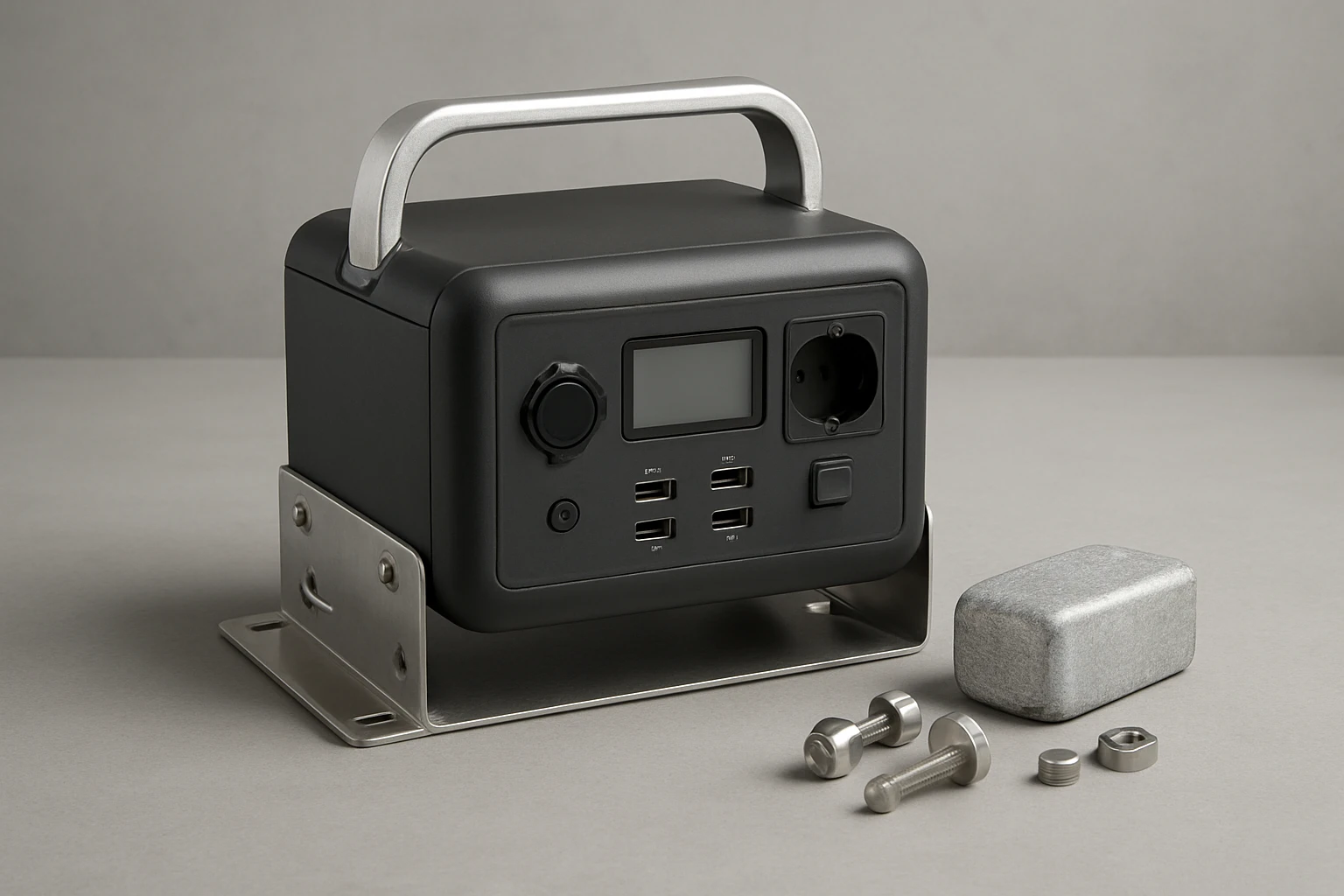
- Fixed Deck Mounts: Use stainless‑steel brackets with rubber grommets to absorb vibration.
- Cabin Rack Mounts: Install modular rack systems that allow quick removal for maintenance.
- Portable Tie‑Downs: Employ cam‑buckles and ratchet straps when the power station must be moved frequently.
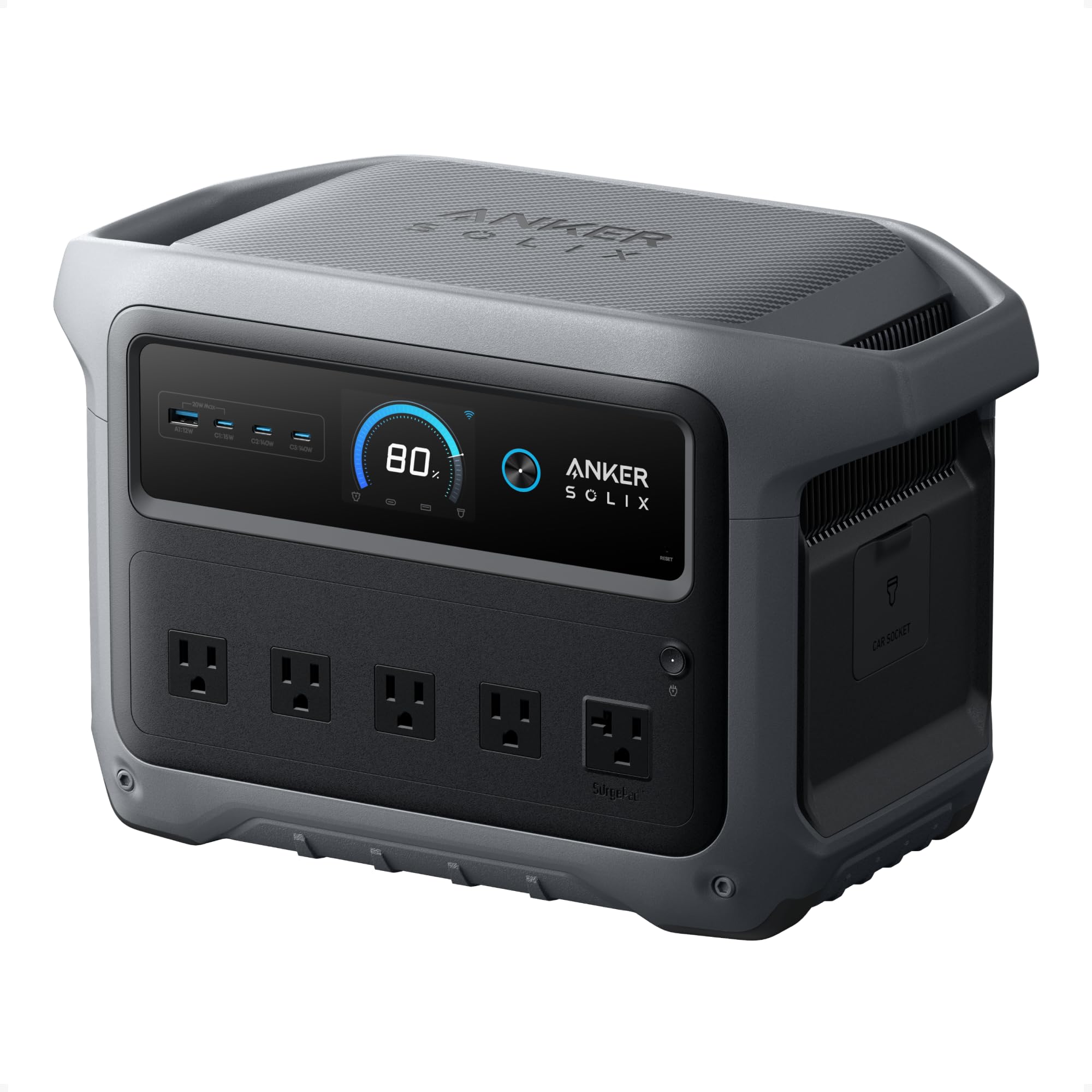
When selecting a mounting solution, consider the device’s weight, dimensions, and center of gravity. For example, the Anker SOLIX C1000 weighs approximately 23 lb and measures 15 × 10 × 9 in, making a stainless‑steel L‑bracket with a ½‑inch bolt a suitable choice.
Corrosion Prevention Techniques
Corrosion is mitigated through material selection, protective coatings, and regular maintenance. The most effective methods include:
- Use of Marine‑Grade Stainless Steel: 316 stainless steel resists chloride‑induced pitting better than 304 grade.
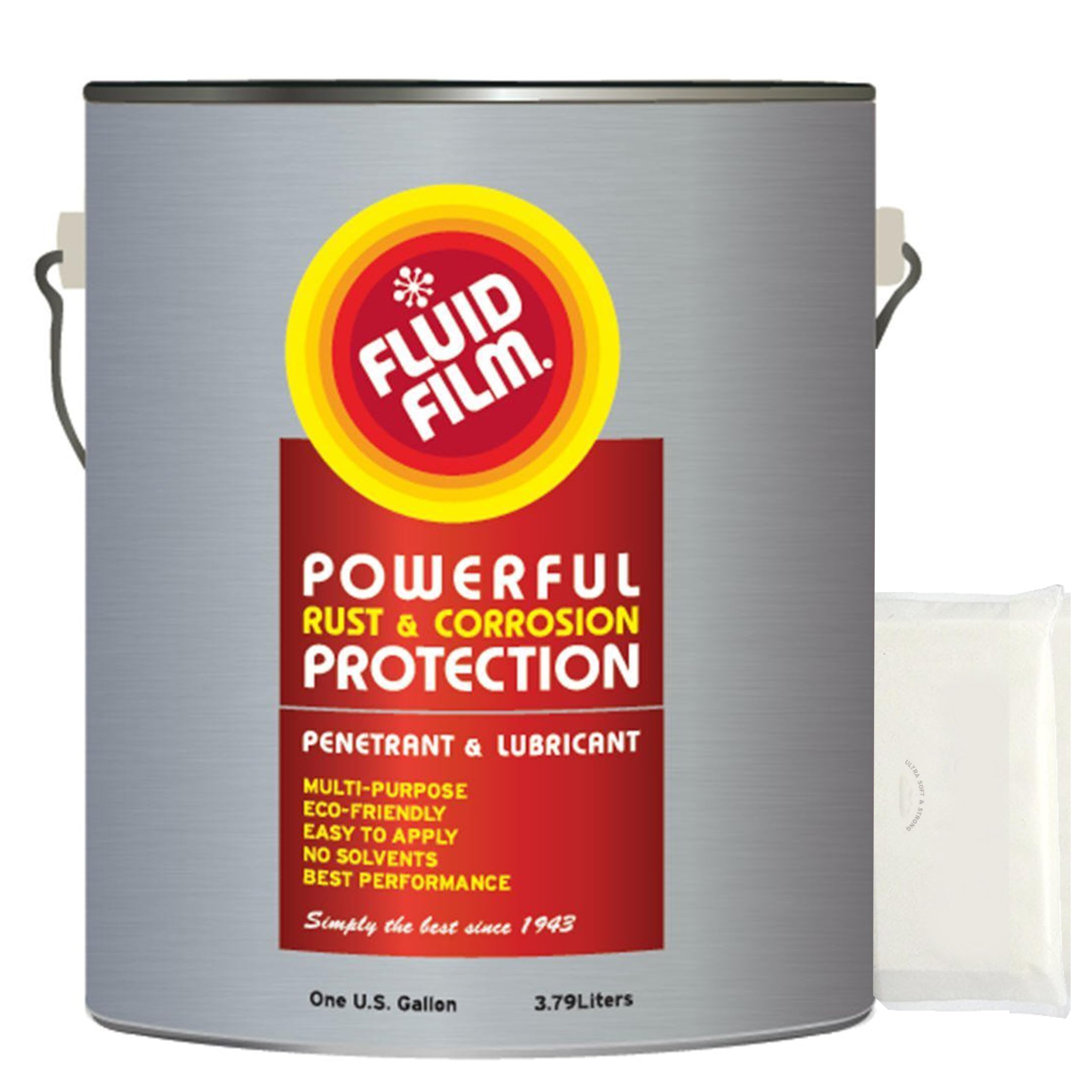
- Application of Anti‑Corrosion Coatings: Products such as Fluid Film Rust Prevention Coating create a barrier that repels water and salt.
- Sealing Electrical Connectors: Heat‑shrink tubing with adhesive prevents moisture ingress.
- Regular Inspection Schedule: Visual checks every 30 days and a thorough cleaning every 6 months extend service life.
Fluid Film’s lanolin‑based formula is non‑drip and solvent‑free, allowing it to be applied with a standard undercoating gun at 70‑90 psi. Its rating of 4.8/5 from 99 reviewers confirms reliability in harsh conditions.
Power Distribution and Battery Management
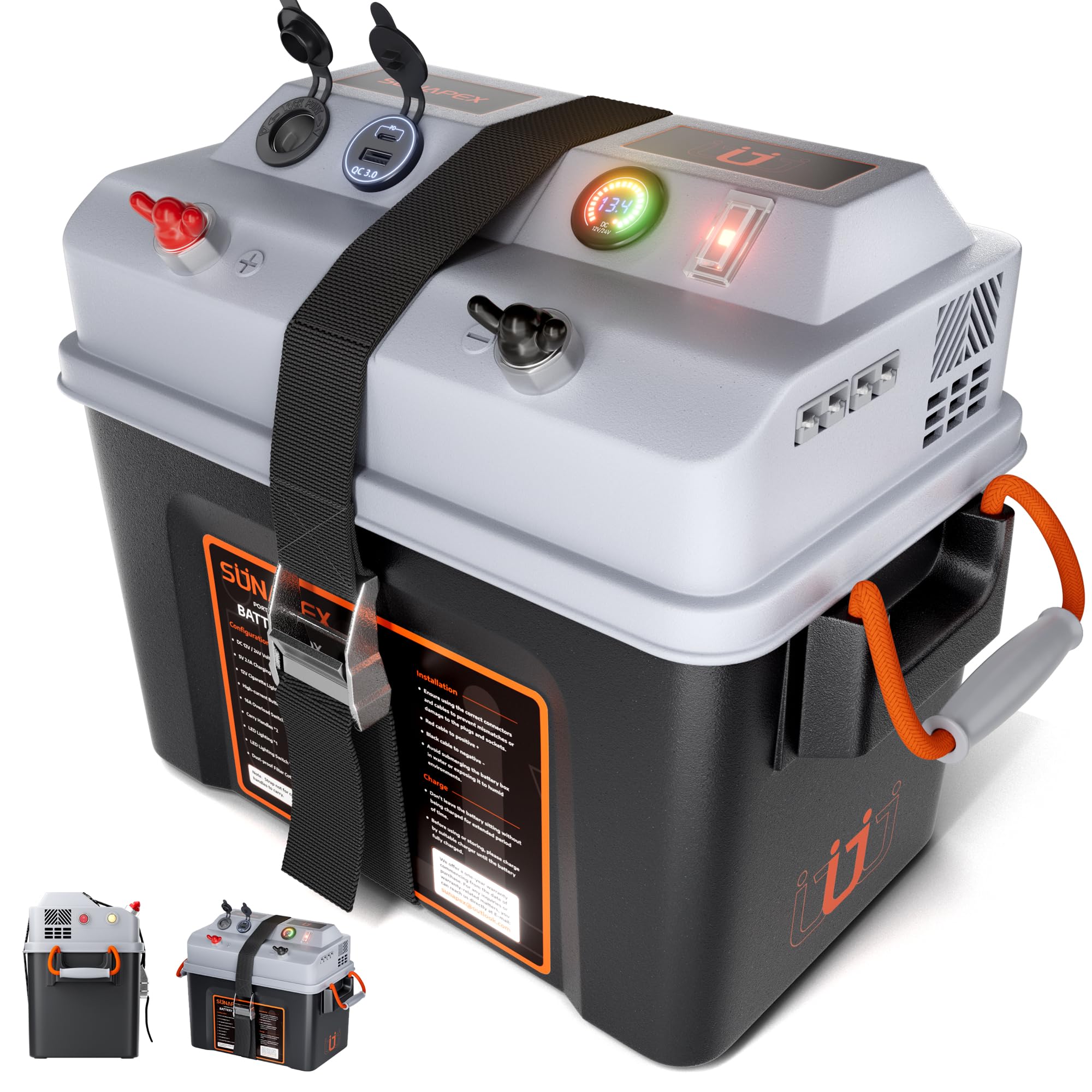
Marine installations often require multiple power outputs and a central battery management hub. The SUNAPEX Smart Battery Box provides a 16 A overload switch, QC3.0 and PD Type‑C ports, and two 30 A Anderson plugs for high‑current devices such as trolling motors. Its digital voltmeter offers real‑time monitoring, which is essential for preventing deep discharge of the lithium‑iron‑phosphate (LiFePO4) cells found in the Anker and DARAN stations.
When integrating a battery box, route cables through waterproof conduit and secure them with marine‑grade zip ties. This practice reduces abrasion and maintains the integrity of the protective coating.
Product Recommendations
The following products have been selected for their compatibility with marine mounting and corrosion‑resistant features.
High‑Capacity Power Station
Anker SOLIX C1000 delivers 2,000 W continuous output (3,000 W peak) and a 1,024 Wh LiFePO4 battery. Its HyperFlash technology recharges the unit in 49 minutes at 1,600 W, which is valuable when solar input is limited. The station’s 10‑port configuration supports AC, DC, USB‑C, and car charging, reducing the need for additional adapters on a boat. With a 4.7‑star rating from 1,122 reviews, users praise its rapid recharge and reliable UPS switchover under 10 ms.
Compact Backup Unit
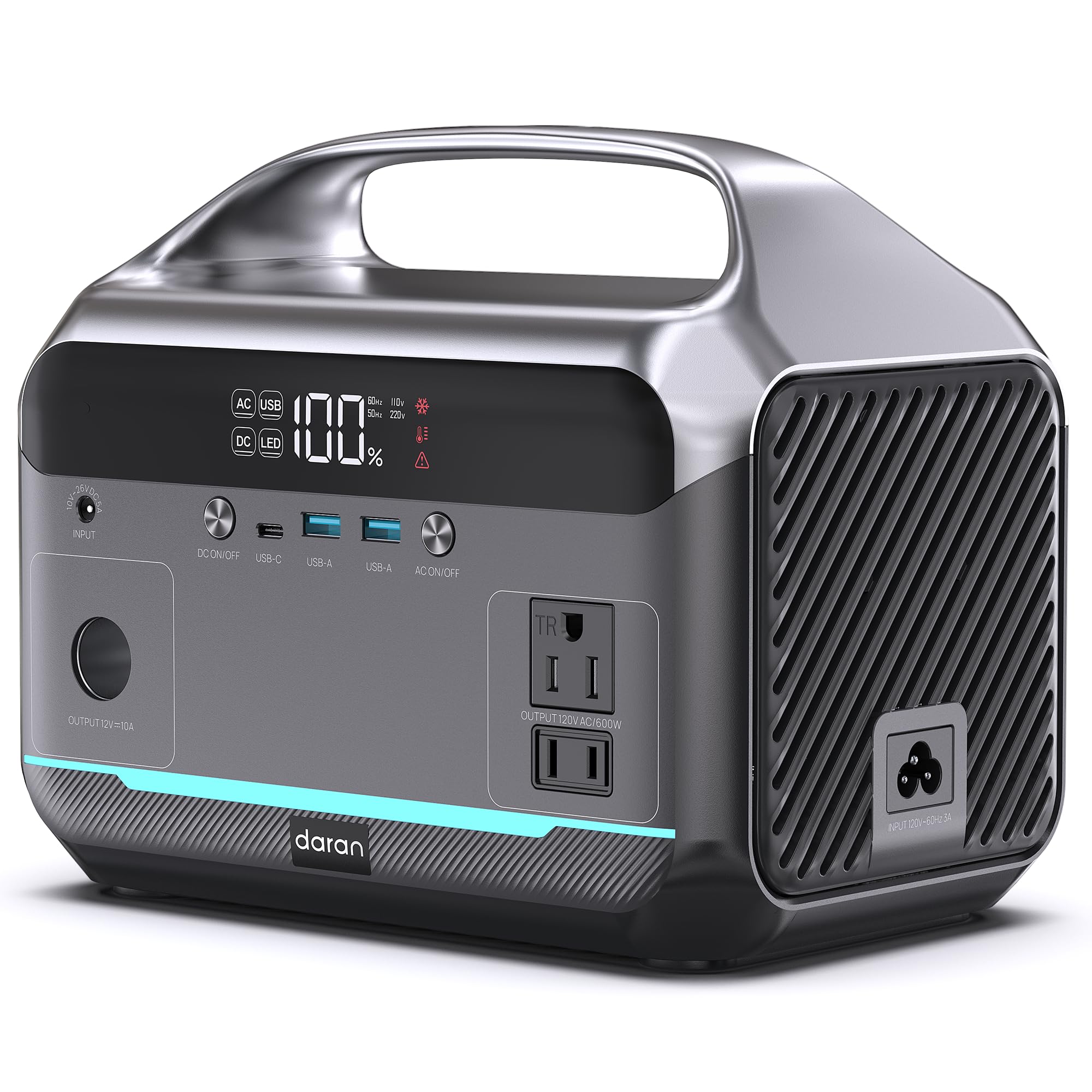
DARAN 600W Portable Power Station offers 600 W continuous output (1,200 W surge) and a 288 Wh LiFePO4 battery. Its lightweight design (8.86 lb) and 7‑port layout make it ideal for smaller vessels or as a secondary backup. The unit includes a silent BMS, rear LED light with SOS mode, and can be fast‑charged to 80 % in two hours via AC. A 4.2‑star rating from 148 reviewers highlights its durability and quiet operation.
Power Management Hub
SUNAPEX Smart Battery Box centralizes power distribution for 12 V/24 V systems. Its dual 30 A Anderson plugs, each protected by a 30 A fuse, enable safe connection of high‑current marine accessories. The built‑in overload switch prevents accidental overdraw, and the digital voltmeter assists in balancing charge across multiple batteries.
Corrosion Protection
Fluid Film Rust Prevention Coating is a lanolin‑based, non‑drip formula that adheres to metal surfaces without leaving a residue. Its 4.8‑star rating from 99 reviewers confirms effectiveness on trucks, boats, and equipment exposed to salt spray. Apply a thin coat to brackets, battery terminals, and any exposed steel before installation.
Comparison and Selection Guide
| Feature | Anker SOLIX C1000 | DARAN 600W | SUNAPEX Smart Battery Box | Fluid Film Coating |
|---|---|---|---|---|
| Continuous Power Output | 2,000 W | 600 W | N/A (distribution hub) | N/A |
| Battery Capacity | 1,024 Wh (LiFePO4) | 288 Wh (LiFePO4) | Supports external 12/24 V batteries | N/A |
| Recharge Time (Fast) | 49 min (1,600 W) | 2 hr to 80 % (AC) | N/A | N/A |
| Port Count | 10 (AC, DC, USB‑C, Car) | 7 (2 AC, Car, USB‑C, 2 USB‑A) | 8 (QC3.0, PD, 2× Anderson, 12 V socket) | N/A |
| Weight | ~23 lb | 8.86 lb | ~4 lb | ~1 lb (1 gal can) |
| Price (USD) | $499.99 | $234.64 | $85.49 | $54.99 |
| Amazon Rating | 4.7/5 (1,122 reviews) | 4.2/5 (148 reviews) | 4.6/5 (155 reviews) | 4.8/5 (99 reviews) |
Select the Anker SOLIX C1000 for high‑power applications such as running a small kitchen appliance or a marine air‑conditioner. Choose the DARAN 600W when weight and quiet operation are paramount, such as on a sailing yacht. Pair either station with the SUNAPEX Smart Battery Box to manage multiple 12 V loads, and protect all metal components with Fluid Film coating.
Best Practices & Tips
- Mount all brackets using marine‑grade stainless‑steel hardware and apply a thin layer of Fluid Film to each screw before tightening.
- Route cables through UV‑resistant conduit and secure them with stainless zip ties to prevent chafing.
- Periodically check the battery’s state of charge; LiFePO4 cells perform best when kept between 20 % and 80 % during storage.
- Utilize the Anker app’s TOU (Time‑of‑Use) mode to schedule high‑draw loads during daylight hours when solar input is available.
- Inspect the overload switches on the SUNAPEX box after each voyage; replace fuses promptly if they appear discolored.
Frequently Asked Questions
- Can I use a marine‑grade solar panel with the Anker SOLIX C1000? Yes. The unit accepts up to 600 W (60 V max) of solar input, allowing a 300 W marine panel to recharge the battery in approximately 1.8 hours.
- Is the DARAN 600W safe for indoor use on a boat? The DARAN incorporates a BMS that eliminates fumes and noise, making it suitable for cabin use. Ensure ventilation and avoid covering the unit.
- How often should I reapply Fluid Film coating? Reapply after any cleaning or after 6 months of exposure to heavy salt spray. A thin, even coat is sufficient.
- What is the advantage of a 16 A overload switch on the SUNAPEX box? It automatically disconnects power when current exceeds safe limits, protecting both the battery and connected equipment from damage.
- Can I connect the SOLIX C1000 directly to a trolling motor? The SOLIX C1000 provides AC output; a trolling motor typically requires 12 V DC. Use the SUNAPEX Smart Battery Box to convert and distribute the power safely.
- Do I need a dedicated grounding point on my vessel? Yes. All metal enclosures should be bonded to the boat’s grounding system to prevent stray currents.
- What maintenance does a LiFePO4 battery require? Keep it clean, avoid deep discharge below 10 %, and charge it at least once every two months if stored.
Conclusion
Marine mounting and corrosion protection require a systematic approach that combines sturdy hardware, protective coatings, and intelligent power management. By selecting the appropriate power station, employing the SUNAPEX Smart Battery Box for distribution, and applying Fluid Film to all metal surfaces, boat owners can ensure reliable energy access while safeguarding equipment from the harsh oceanic environment. Regular inspection and adherence to best practices will extend the service life of both the power stations and the vessel’s electrical system.
Products Featured in This Guide

Anker SOLIX C1000
Price: $499.99 | Rating: 4.7/5 (1,122 reviews)
Featured for its high 2,000 W output, rapid 49‑minute recharge, and robust 10‑port configuration suitable for marine power needs.

DARAN 600W Portable Power Station
Price: $234.64 | Rating: 4.2/5 (148 reviews)
Featured for its lightweight design, silent operation, and dual‑mode LED, making it ideal for cabin installations.

SUNAPEX Smart Battery Box
Price: $85.49 | Rating: 4.6/5 (155 reviews)
Featured for its overload protection, multiple high‑current ports, and digital voltmeter for precise battery management.

Fluid Film Rust Prevention Coating
Price: $54.99 | Rating: 4.8/5 (99 reviews)
Featured for its lanolin‑based, non‑drip formula that provides long‑lasting corrosion protection for marine hardware.