
The Complete Guide to Theft Insurance and Recovery Strategies for Solar Gear at RV Parks and Campgrounds
Introduction
Travelers who rely on solar power devices face a unique set of risks when staying at RV parks and campgrounds. This guide explains the scope of theft insurance, outlines recovery strategies, and highlights practical steps to protect valuable solar gear. Readers will learn how to evaluate policies, implement preventative measures, and select equipment that balances performance with security. By the end of the article, one will possess a comprehensive plan to mitigate loss and ensure rapid recovery if theft occurs.
Background and Context
Solar gear such as portable panels, charge controllers, and battery packs has become essential for off‑grid living and emergency preparedness. The market offers high‑efficiency devices that convert sunlight into usable electricity, but their portability also makes them attractive targets for theft. Insurance carriers have responded by creating specialty endorsements that cover portable electronics, yet many owners remain unaware of the nuances. Understanding the difference between general liability, personal property, and dedicated theft coverage is the first step toward effective risk management.
Understanding Theft Insurance for Solar Equipment
Most standard homeowner policies include personal property coverage, but the deductible and coverage limits often exclude high‑value portable electronics. Dedicated theft insurance for RV owners typically falls into one of three categories:
- RV Owner's Policy Add‑On: Extends the existing RV policy to cover personal items stored inside the vehicle or in attached storage compartments.
- Travel Personal Property Insurance: Provides worldwide coverage for items such as cameras, laptops, and solar chargers, regardless of location.
- Specialized Gear Insurance: Tailored policies for outdoor equipment, offering higher limits and lower deductibles for items like the BigBlue 28W Solar Charger.
When selecting a policy, one should compare premium costs, claim filing procedures, and exclusions related to neglect or improper storage. Policies that require proof of ownership, such as receipts or serial numbers, are easier to validate during a claim. Additionally, some insurers offer a “no‑claims bonus” that reduces future premiums if the policyholder maintains a clean record.
Key Features of Effective Solar Gear for Security
Choosing equipment that incorporates security‑focused design can reduce the likelihood of theft. The BigBlue 28W Solar Charger exemplifies several attributes that aid in protection:
- Compact dimensions of 11 × 6 × 1.4 inches and a weight of only 1.5 lb make it easy to store in a locked compartment.
- Durable polymer surface with IP44 waterproof rating resists environmental wear, allowing it to remain outdoors without attracting attention.
- Triple‑port design (dual USB‑C and USB‑A) enables simultaneous charging, reducing the need to leave the charger unattended for extended periods.
- Advanced N‑type solar cells provide 25.4 % conversion efficiency, meaning fewer panels are required to meet power needs, decreasing the overall footprint.
These specifications not only improve performance but also simplify secure storage, as the device can be folded and tucked away quickly.
Comparison and Selection Guide
When evaluating solar chargers for RV use, consider the following criteria:
| Criterion | BigBlue 28W Solar Charger | Typical Competing Model |
|---|---|---|
| Power Output | 28 W (5 V/4.8 A total) | 20‑25 W (5 V/3 A total) |
| Efficiency | 25.4 % (industry‑leading) | 18‑22 % |
| Portability | Foldable to 11 × 6 × 1.4 in, 1.5 lb | Bulkier, often >2 lb |
| Water Resistance | IP44 | IPX4 or none |
| Customer Rating | 4.4/5 from 9,761 reviews | 3.8‑4.2/5 |
| Price | $52.21 | $45‑$70 |
For owners who prioritize high efficiency and ruggedness, the BigBlue model offers superior value despite a modest price premium. Campers who only need occasional charging may opt for lower‑cost alternatives, but they should verify that the warranty covers accidental damage.
Best Practices & Tips for Preventing Theft
Implementing a layered security approach dramatically reduces the risk of loss. The following practices are recommended:
- Secure Storage: Always place solar gear inside a lockable compartment or use a heavy‑duty cable lock when the device is left outdoors.
- Marking and Documentation: Engrave serial numbers on the frame and register the product with the manufacturer's online portal.
- Visible Deterrents: Attach bright warning stickers that indicate the equipment is covered by insurance.
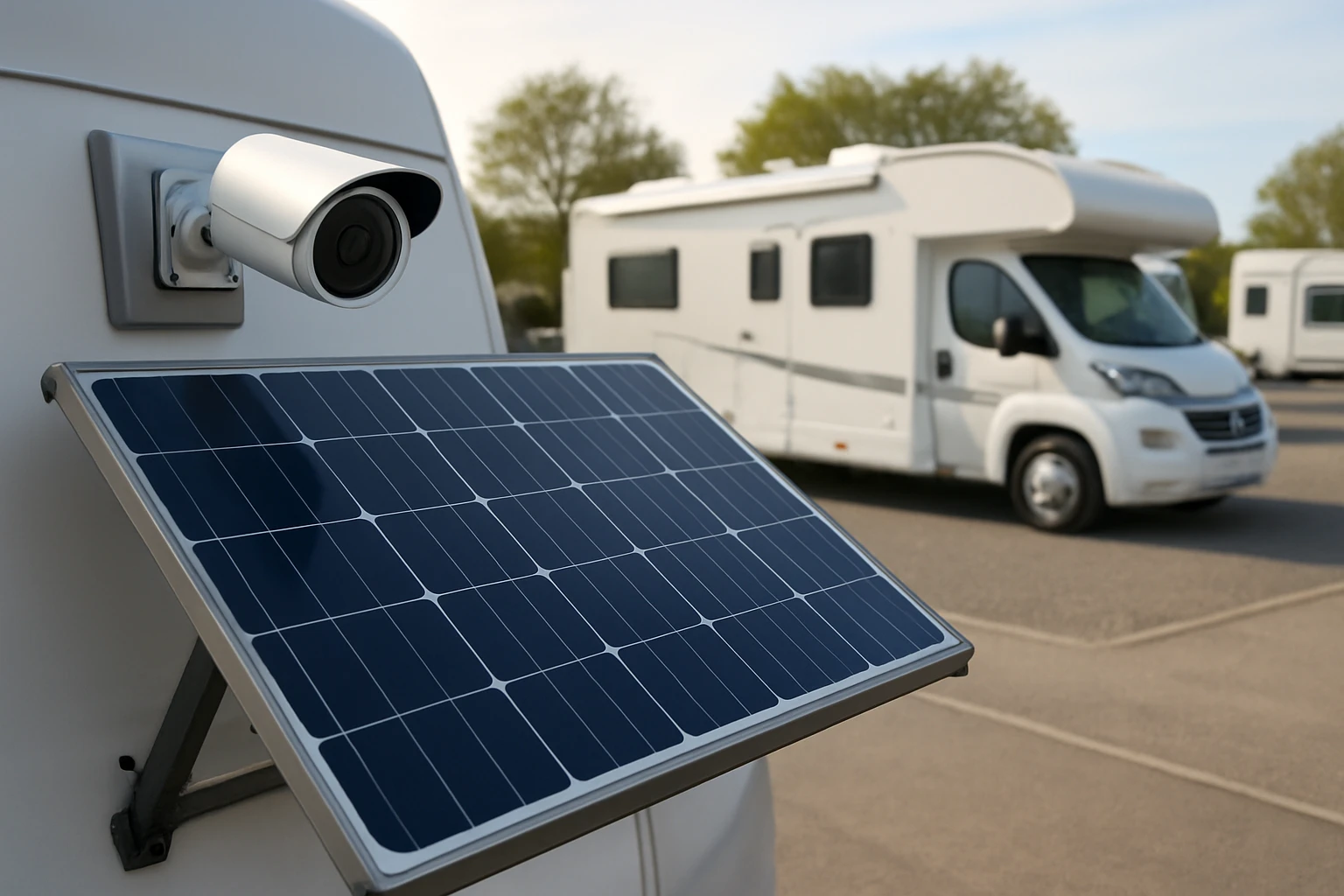
- Surveillance: Choose campgrounds that provide CCTV coverage or install a portable battery‑powered camera aimed at the storage area.
- Travel Checklist: Before departing, verify that all cables, carabiners, and accessories are accounted for; missing items are a common sign of theft.
Combining these steps with a robust insurance policy creates a comprehensive defense against both opportunistic and targeted theft.
Recovery Strategies After a Theft Occurs
If theft does happen, swift action increases the likelihood of recovery. Follow this structured response:
- Immediate Reporting: File a police report within 24 hours, providing serial numbers, photographs, and the exact location of the incident.
- Insurance Claim Submission: Contact the insurer, submit the police report, proof of ownership, and a detailed inventory of the stolen items.
- Online Monitoring: Set up alerts on resale platforms such as eBay, Craigslist, and local Facebook Marketplace groups using keywords from the product description.
- Community Outreach: Notify nearby campgrounds and RV clubs; members often share information about suspicious activity.
- Device Deactivation: If the solar charger includes Bluetooth tracking (some models do), deactivate it remotely to prevent unauthorized use.
Maintaining organized records and acting promptly are essential components of an effective recovery plan.
Frequently Asked Questions
1. Does my homeowner's insurance cover a portable solar charger?
Standard policies may provide limited coverage, but most require an add‑on endorsement to fully protect high‑value portable electronics.
2. How much does specialized theft insurance typically cost?
Premiums range from 1 % to 3 % of the insured value per year, depending on deductible choices and the insurer's risk assessment.
3. Can I insure multiple solar devices under a single policy?
Yes, many insurers allow bundling of related equipment, which can reduce overall premium costs.
4. What is the best way to lock a foldable solar panel?
Use the integrated carabiner loops to attach a steel cable lock to a fixed anchor point on the RV frame or a campsite post.
5. Are there any tax deductions for purchasing theft‑protected solar gear?
If the equipment is used for a business or as part of a home‑based office, a portion of the expense may be deductible; consult a tax professional for guidance.
6. How does the IP44 rating affect theft risk?
While IP44 primarily addresses water resistance, the durable polymer coating also deters tampering by making the surface harder to cut or pry.
7. What should I do if the charger is damaged during a theft attempt?
Document the damage with photos, include the information in the police report, and submit it to the insurer for a partial claim.
Conclusion
Protecting solar gear at RV parks and campgrounds requires a blend of insurance coverage, proactive security measures, and rapid response protocols. By selecting high‑efficiency equipment such as the BigBlue 28W Solar Charger, owners gain both performance and built‑in advantages for secure storage. Coupled with a well‑chosen theft insurance policy and diligent documentation, one can travel with confidence, knowing that both prevention and recovery strategies are in place.
Products Featured in This Guide
BigBlue 28W Solar Charger
Price: $52.21
Rating: 4.4/5.0 from 9,761 reviews
Featured because it combines industry‑leading 25.4 % conversion efficiency, IP44 waterproof construction, and a lightweight foldable design that aligns with security best practices for RV travelers.