Essential Guide: How Fast Charging Affects Portable Power Station Battery Lifespan
Introduction
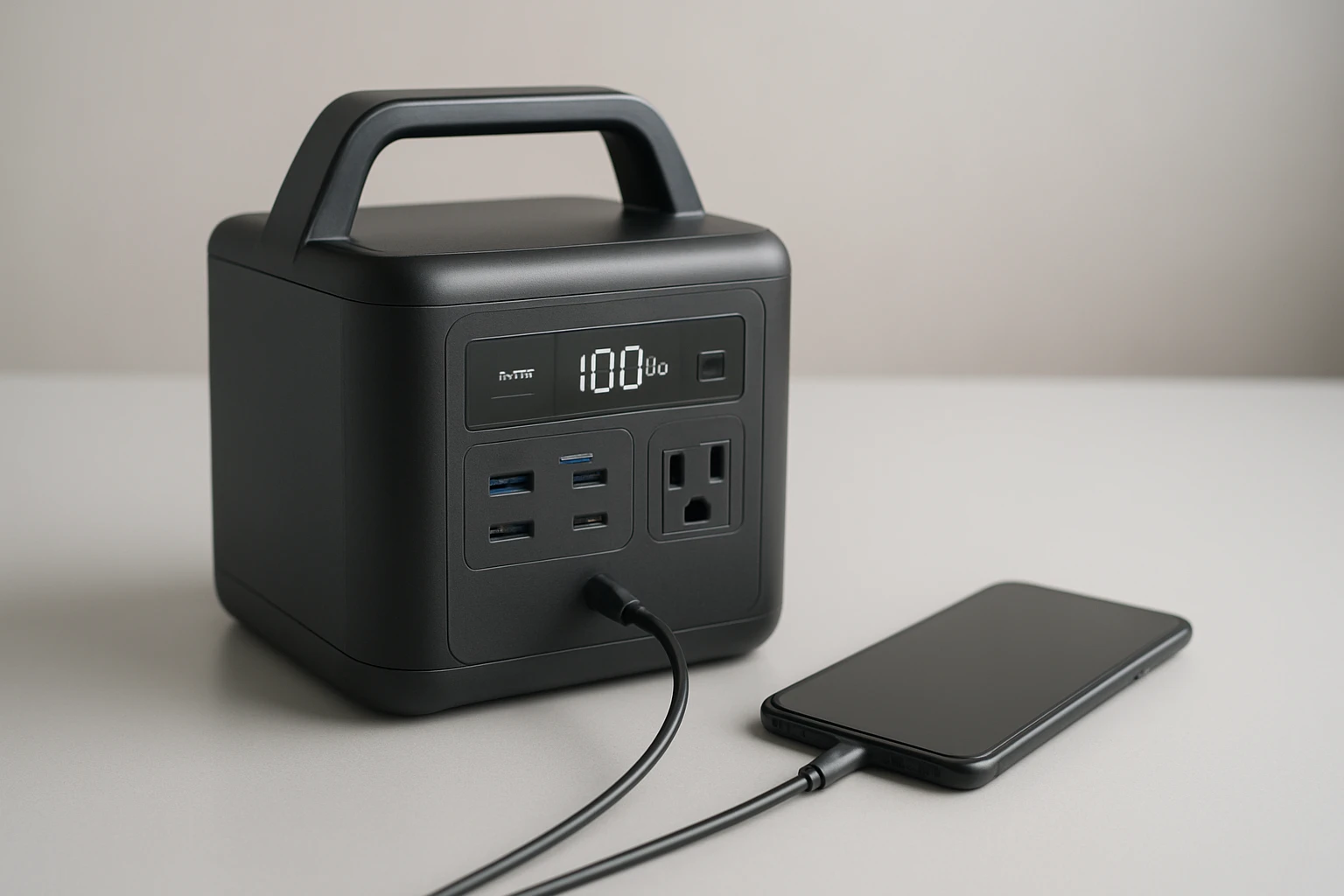
The modern portable power station offers unprecedented convenience for outdoor enthusiasts, remote workers, and emergency preparedness planners. One of the most compelling features of contemporary units is fast charging capability, which promises to restore power in a fraction of the time required by traditional chargers. This guide explains how fast charging influences battery health, outlines the scientific principles behind charge acceleration, and provides actionable recommendations for extending the useful life of a power station. Readers will also discover a product that exemplifies best‑in‑class fast‑charging technology.
Background and Context
Portable power stations typically employ lithium‑based chemistries, with lithium iron phosphate (LiFePO4) gaining popularity because of its thermal stability and long cycle life. A cycle is defined as a complete charge‑to‑discharge sequence, and manufacturers often rate the total number of cycles a battery can endure before capacity falls to 80 percent of its original value. Fast charging introduces higher current and voltage levels to reduce the time required to reach a given state of charge, but these conditions also generate additional heat and can accelerate electrochemical wear. Understanding the trade‑off between convenience and longevity is essential for informed purchasing and usage decisions.
Understanding Fast Charging Mechanisms
Fast charging relies on a sophisticated power management system that adjusts current flow based on the battery’s state of charge, temperature, and internal resistance. In the early stages of charging, the battery can safely accept a high current because the voltage differential between the charger and the cell is large. As the battery approaches 80 percent capacity, the charger reduces current to avoid over‑voltage, a process known as the constant‑voltage phase. Advanced units integrate a Battery Management System (BMS) that monitors each cell individually, balancing charge to prevent cell‑to‑cell disparity.
Manufacturers often quote fast‑charging benchmarks such as “0‑80 % in 36 minutes via AC” to illustrate performance. These figures assume optimal ambient temperature and a fully functional cooling system. The presence of a dedicated cooling fan or heat‑sink can mitigate temperature rise, thereby preserving the chemical integrity of the cells. Conversely, charging in extreme heat or without adequate ventilation can cause irreversible damage.
Impact of Fast Charging on LiFePO4 Battery Lifespan
LiFePO4 cells are more tolerant of high charge rates than traditional lithium‑ion chemistries, yet they are not immune to accelerated aging. The primary mechanisms of degradation during fast charging are lithium plating, electrolyte decomposition, and increased solid‑electrolyte interphase (SEI) growth. Lithium plating occurs when the influx of lithium ions exceeds the rate at which they can be intercalated into the cathode, leading to metallic lithium deposits on the anode surface. These deposits can reduce capacity and, in extreme cases, create safety hazards.
Electrolyte decomposition is catalyzed by elevated temperatures, producing gases that can increase internal pressure. The BMS in a high‑quality power station monitors pressure and temperature, shutting down the charge if thresholds are exceeded. SEI growth, while a natural protective layer, thickens with each high‑rate charge, resulting in higher internal resistance and reduced efficiency. Over time, these factors collectively diminish the battery’s ability to hold charge, shortening its effective lifespan.
Strategies to Mitigate Degradation
Users can adopt several strategies to minimise the adverse effects of fast charging while still benefiting from reduced downtime. First, avoid charging to 100 % unless the full capacity is required for a specific task; maintaining a charge window between 20 % and 80 % can dramatically extend cycle life. Second, schedule fast‑charging sessions during cooler periods of the day or in a well‑ventilated environment to keep cell temperature within the optimal range of 15‑30 °C.
Third, utilise the built‑in BMS features that allow users to select a “gentle charge” mode, which limits current to a lower level for routine top‑ups. Fourth, keep the power station’s firmware up to date, as manufacturers often release algorithm improvements that enhance charge‑balancing efficiency. Finally, consider modular expansion options that distribute load across multiple battery packs, reducing the stress on any single cell group during rapid charge cycles.
Product Recommendation: OUPES Mega 1 Power Station
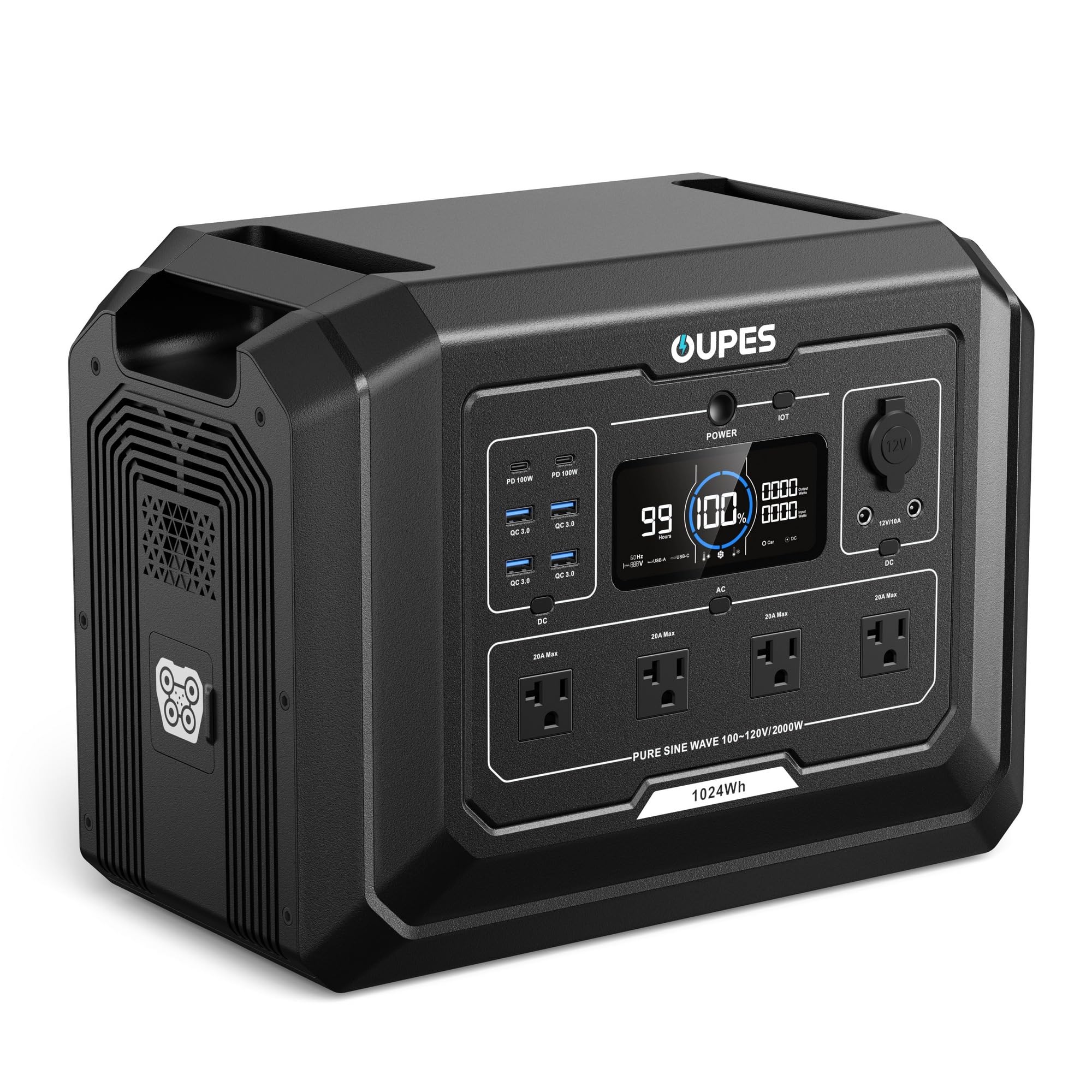
Among the many portable power stations on the market, the OUPES Mega 1 Power Station exemplifies a balanced approach to fast charging and battery longevity. It features a 1024 Wh LiFePO4 battery that can be expanded to 5120 Wh using optional B2 Extra Batteries, providing flexibility for both short trips and extended outages. The unit advertises a 0‑80 % charge in 36 minutes via AC, and an even faster 26‑minute charge when AC and solar inputs are combined, representing a three‑fold improvement over conventional models.
Professional‑grade pure sine wave AC outlets deliver a continuous 2000 W (4500 W surge) output, ensuring stable power for sensitive electronics such as laptops, medical devices, and communication equipment. The built‑in UPS functionality offers a transfer time of less than 20 ms, protecting critical devices from data loss during brief outages. A proprietary smart BMS automatically balances cells, prevents over‑charging and over‑discharging, and regulates temperature, thereby supporting the high‑rate charging claims without compromising lifespan.
The Mega 1 also includes a Bluetooth‑enabled app that allows users to monitor real‑time power consumption, set charge limits, and receive temperature alerts. These features empower users to implement the mitigation strategies discussed earlier, such as selecting a gentle charge mode or pausing fast charging when ambient temperatures rise. With a 4.6‑star rating from 1,044 reviews and a price of $449.00, the device offers a compelling value proposition for those seeking rapid recharge without sacrificing durability.
Comparison and Selection Guide
When evaluating portable power stations, consider the following criteria to determine the optimal model for your needs:
- Battery Chemistry: LiFePO4 provides longer cycle life and higher thermal tolerance than lithium‑ion, making it preferable for frequent fast charging.
- Fast‑Charging Specification: Compare advertised 0‑80 % times; a lower figure indicates superior charger design, but verify that the manufacturer includes thermal management safeguards.
- Power Output: Ensure continuous wattage meets the demands of your primary devices; surge capacity is important for motor‑driven tools.
- Modular Expandability: Units that support additional battery packs allow users to scale capacity without replacing the entire system.
- UPS Capability: A transfer time under 20 ms is essential for protecting servers, medical equipment, and workstations.
- User Interface: An intuitive app or LCD display simplifies monitoring and enables proactive maintenance.
Based on these factors, the OUPES Mega 1 Power Station ranks highly due to its LiFePO4 chemistry, industry‑leading fast‑charging times, modular expansion, and comprehensive UPS features. Competing models may offer larger initial capacities but often rely on lithium‑ion cells that degrade more quickly under rapid charge conditions.
Best Practices & Tips
To maximise the lifespan of any portable power station, follow these best practices:
- Charge within the recommended temperature range; avoid direct sunlight or enclosed spaces during fast charging.
- Utilise the app or built‑in display to set charge limits, especially when the device will remain idle for extended periods.
- Perform periodic full‑cycle calibrations (0‑100 %) once every three months to maintain accurate state‑of‑charge reporting.
- Store the unit at approximately 50 % charge if it will not be used for more than six months, as this reduces calendar‑age degradation.
- Keep firmware updated to benefit from the latest BMS algorithms and safety enhancements.
- When using solar panels, match the panel voltage to the input specifications to avoid over‑voltage conditions that could stress the BMS.
By integrating these habits into routine operation, users can enjoy the convenience of fast charging while preserving the battery’s long‑term performance.
Frequently Asked Questions
1. Does fast charging void the warranty? Most reputable manufacturers, including OUPES, honour warranties provided the user follows the prescribed operating guidelines and does not subject the unit to extreme temperatures or physical damage.
2. How many cycles can a LiFePO4 battery sustain with regular fast charging? The OUPES Mega 1 advertises a lifecycle rating of over 3500 cycles, which assumes typical usage patterns that include occasional fast charging.
3. Can I use only solar input for fast charging? Solar input alone generally provides lower current than AC, resulting in longer charge times; however, combining solar with AC, as the Mega 1 supports, achieves the fastest overall recharge.
4. Is the pure sine wave output necessary for all devices? Pure sine wave output is essential for sensitive electronics such as medical equipment, audio‑visual gear, and computers, as it eliminates harmonic distortion that can cause malfunction.
5. What safety mechanisms prevent over‑temperature during fast charging? The built‑in BMS monitors cell temperature and will automatically reduce charge current or halt charging if temperatures exceed safe thresholds.
6. How does modular expansion affect charging speed? Adding extra battery modules increases total capacity, but each module charges at the same rate; the overall charge time scales proportionally, preserving the fast‑charging advantage per unit of capacity.
7. Does the app provide real‑time temperature data? Yes, the Bluetooth app displays current temperature readings, allowing users to intervene if the unit approaches critical limits.
Conclusion
Fast charging has transformed the usability of portable power stations, delivering near‑instantaneous power restoration for a wide range of applications. While the technology introduces additional stress on battery cells, understanding the underlying chemistry, employing proper thermal management, and selecting devices equipped with sophisticated BMS safeguards can mitigate long‑term degradation. The OUPES Mega 1 Power Station demonstrates how manufacturers can combine rapid recharge, modular scalability, and robust protection features to deliver a balanced solution. By adhering to the best practices outlined in this guide, users can enjoy the convenience of fast charging while preserving the valuable lifespan of their portable power assets.
Products Featured in This Guide
OUPES Mega 1 Power Station
Price: $449.00
Rating: 4.6 out of 5 stars (1,044 reviews)
Featured because it offers industry‑leading fast‑charging times, LiFePO4 battery chemistry, modular expansion, and integrated UPS functionality, making it an exemplary model for the topics discussed.