Introduction
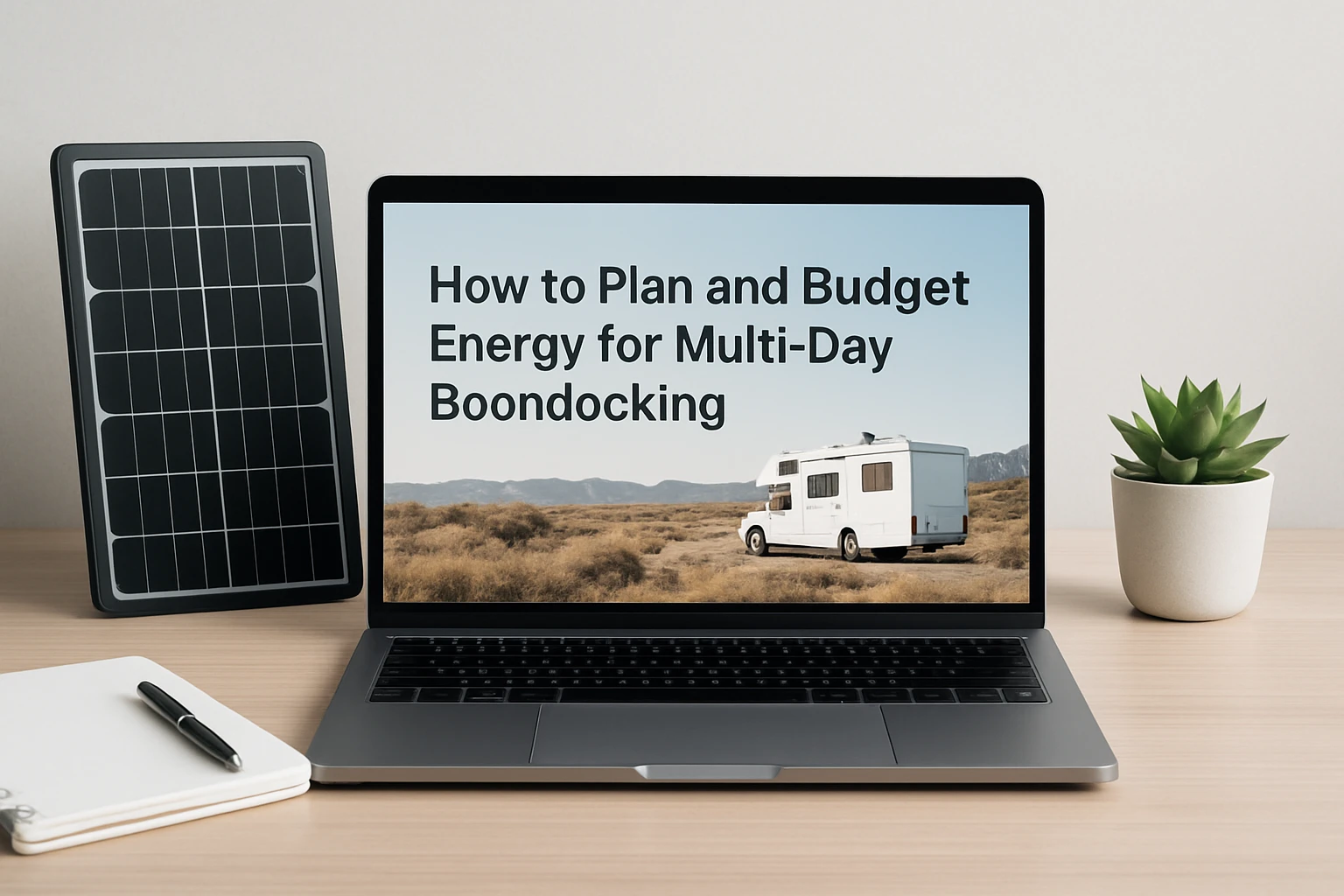
Boondocking, also known as dry camping, offers freedom from traditional campsite utilities but requires careful energy management. This guide will teach the reader how to assess power needs, select appropriate equipment, and create a realistic energy budget for multi‑day trips. By following the outlined steps, one can enjoy modern comforts such as lighting, refrigeration, and electronic devices without sacrificing safety or comfort. The information presented is valuable for both novice and experienced van‑lifers who wish to optimize their off‑grid experience.
What You’ll Need
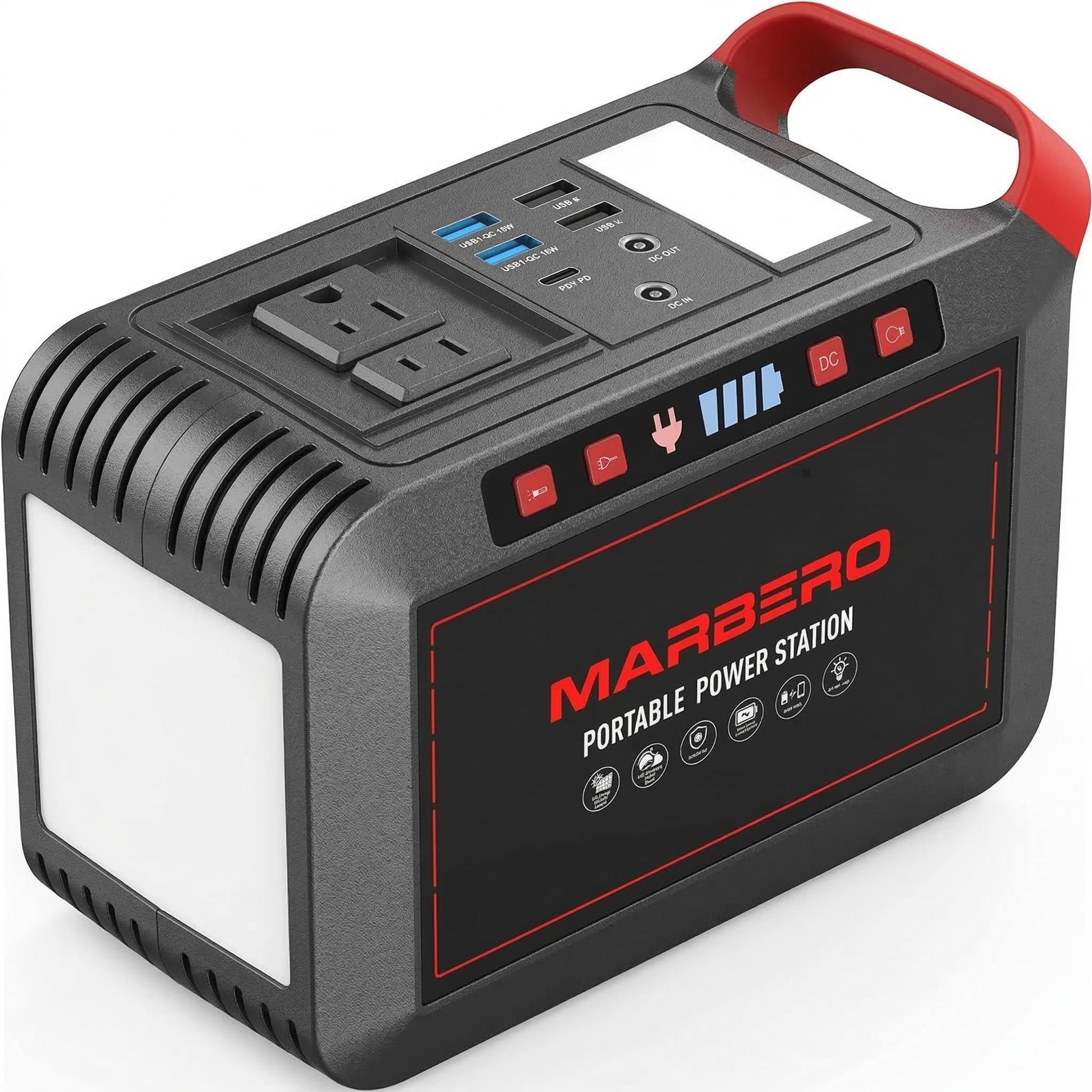
- Marbero 300W Portable Power Station – $139.99, 4.3/5 rating (8,675 reviews)
- Solar panel compatible with 16.4‑24V input (optional for renewable charging)
- AC and DC adapters for appliances you plan to use
- Energy monitoring app or handheld meter
- Backup charging cables (USB‑C, USB‑A, 12V car charger)
Step 1: Assess Energy Requirements
The first major step is to list every electrical device that will be used during the boondocking period. Include the power draw of each device, measured in watts, and estimate the number of hours it will operate each day. Multiply the wattage by the usage hours to obtain daily watt‑hours, then sum the totals for a complete energy profile. This calculation provides a realistic baseline that prevents over‑estimation and ensures that the selected power station can meet demand.
Step 2: Choose a Suitable Portable Power Station
Based on the energy profile, select a power station that offers sufficient capacity and output options. The Marbero 300W Portable Power Station delivers 237 Wh of usable energy, which translates to approximately 64,000 mAh at 3.7 V, and provides a continuous 300 W AC output with a 375 W peak. Its multiple ports—including two AC outlets, USB‑C Power Delivery, USB‑A Quick Charge, and a DC car‑port—allow simultaneous charging of phones, laptops, CPAP machines, and small appliances. The built‑in LED lantern with multiple brightness levels adds lighting capability, reducing the need for separate lanterns. Moreover, the unit weighs only 4.6 lb and fits comfortably in a backpack, making it ideal for mobile setups.
Step 3: Calculate Daily Consumption and Budget
With the power station selected, convert the daily watt‑hour total into a fraction of the station’s capacity. Divide the daily consumption by 237 Wh to determine how many full cycles the battery must complete each day. If the result exceeds 0.8, consider adding a solar panel or reducing device usage, because deep discharges can shorten battery lifespan. Budget the number of recharging cycles, the time required for each recharge method, and any additional fuel or solar equipment costs to create a comprehensive financial plan.
Step 4: Optimize Power Use During Boondocking
Energy efficiency begins with selecting low‑draw appliances such as LED lighting, a 12 V fridge, and a laptop with power‑saving settings. Schedule high‑draw activities, like cooking on an induction hot plate, during periods when the solar panel (if used) receives direct sunlight. Use the power station’s built‑in battery management system to monitor temperature and avoid operating in extreme heat, which can reduce efficiency. By staggering usage and employing energy‑saving modes, one can extend the usable time between recharges significantly.
Step 5: Recharge Strategies for Extended Stays
Three primary recharging methods are supported by the Marbero unit: wall outlet, 12 V car charger, and solar panel. Wall charging restores full capacity in approximately six hours, making it ideal for short stops at campgrounds with electricity. The car adapter can replenish the battery in eight hours while the vehicle is idle, which is useful during long drives between boondocking sites. For truly off‑grid scenarios, a compatible solar panel (16.4‑24 V, up to 2.7 A) can provide continuous trickle charging; although recharging is slower, it sustains the system indefinitely when sunlight is abundant.
Tips & Pro Tips
- Perform a full charge and discharge cycle before the first trip to calibrate the battery management system.
- Label each cable and adapter to avoid confusion when multiple devices are connected simultaneously.
- Carry a spare set of fuses and a small fire‑extinguishing kit as a precaution against electrical faults.
- Use a power strip with surge protection to safeguard sensitive electronics from voltage spikes.
- When using solar, position the panel at a 30‑degree angle toward the sun and keep it free of debris for optimal output.
Troubleshooting
Problem: The power station does not charge from the solar panel.
Solution: Verify that the panel voltage falls within the 16.4‑24 V range and that the connector polarity matches the station’s input. Clean the panel surface and ensure there are no shadows.
Problem: Devices shut off unexpectedly.
Solution: Check the battery’s state of charge using the built‑in display; if it falls below 20 %, the BMS may limit output to protect the cells. Reduce load or recharge immediately.
Conclusion
Planning and budgeting energy for multi‑day boondocking requires a systematic approach that begins with accurate consumption estimates and ends with reliable recharging methods. By selecting a versatile unit such as the Marbero 300W Portable Power Station, one gains access to multiple output options, built‑in safety features, and convenient lighting. Implementing the steps, tips, and troubleshooting advice presented in this guide will enable the reader to enjoy extended off‑grid adventures with confidence and comfort. Remember that thoughtful preparation is the cornerstone of a successful boondocking experience.
Products Mentioned in This Guide
Frequently Asked Questions
How do I calculate the daily power consumption for a multi‑day boondocking trip?
List every device, note its wattage, estimate hours of use, then multiply and sum to get total watt‑hours per day.
What size portable power station is recommended for a 3‑day boondocking adventure?
A station with at least 300‑400 Wh capacity, like the Marbero 300W model, typically covers lighting, phone charging, and a small fridge for three days.
Can I rely solely on solar panels to recharge my power station while boondocking?
Solar can supplement charging, but bring a backup method (car charger or extra batteries) in case of cloudy weather or insufficient sun.
How important is an energy monitoring app or meter when boondocking?
It lets you track real‑time usage, preventing overloads and helping you stay within your planned budget.
What are the essential adapters and cables to bring for off‑grid power use?
Carry AC and DC adapters for your appliances, plus USB‑C, USB‑A, and a 12 V car charger to ensure all devices can be powered.