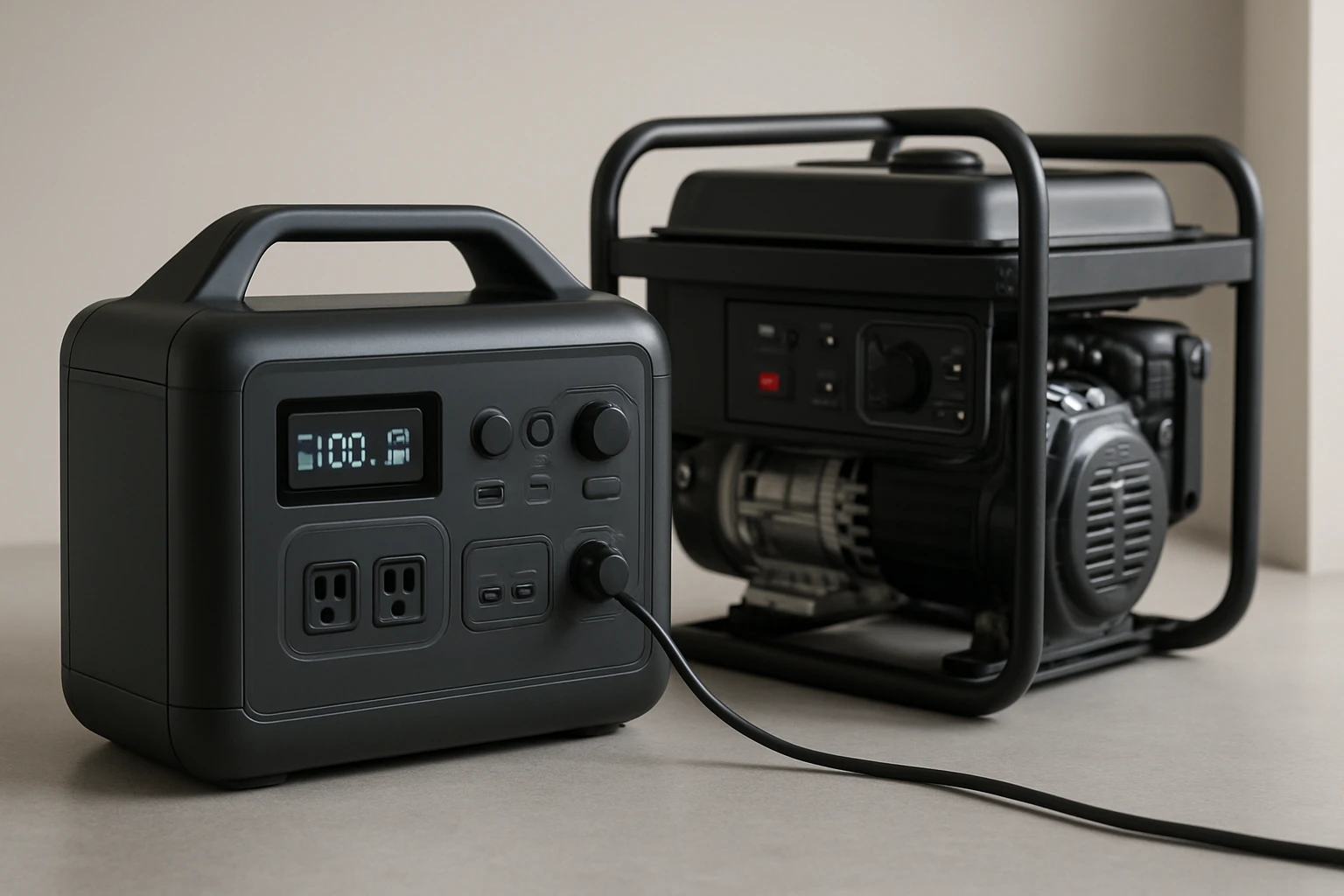
How to Set Up and Optimize a Hybrid-Charging Portable Power Station with a Generator for Reliable Backup Power
Introduction
One will discover how to combine a portable power station, a solar inverter charger, and a generator to create a resilient backup power system. This guide explains the essential concepts, required components, and detailed procedures for a successful installation. One will also learn optimization techniques that maximize efficiency and extend battery life. The knowledge shared herein is valuable for homeowners, workshop operators, and anyone seeking dependable off‑grid power.
What You'll Need
- Portable power station (capacity appropriate for intended loads)
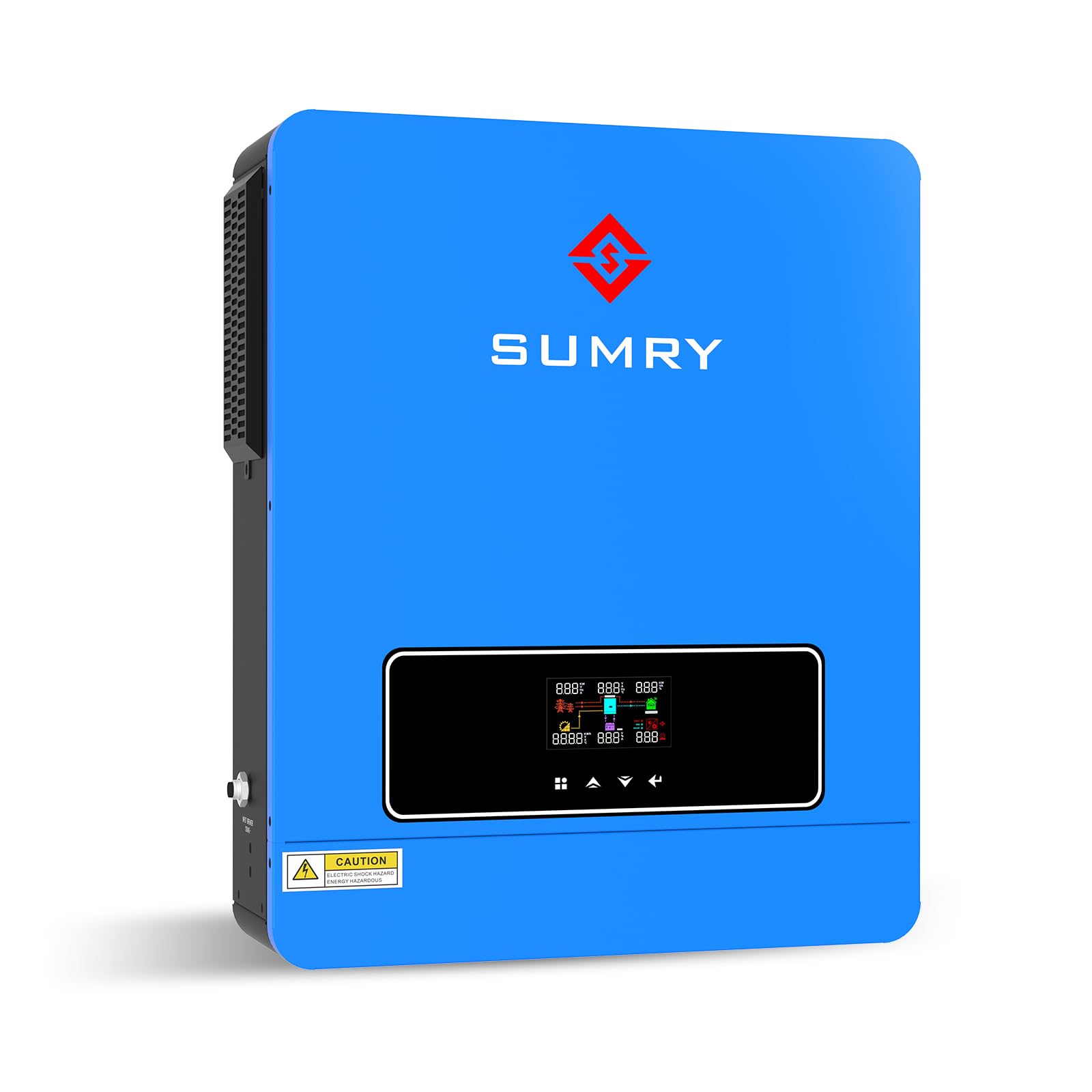
- SUMRY 3600W Solar Inverter Charger – hybrid inverter/charger with MPPT controller
- 24 V battery bank (AGM, LiFePO4, or lead‑acid) compatible with the inverter
- Solar panels delivering up to 4200 W PV input
- Generator with 110 V AC output and sufficient wattage
- Cabling: MC4 connectors, DC‑to‑DC cables, AC extension cords
- Tools: multimeter, torque wrench, cable ties, safety gloves
Step 1: Assess Power Requirements and Size the System
One should begin by calculating the total wattage of essential appliances that must remain operational during an outage. Multiply the power draw of each device by the estimated runtime to obtain the required energy in watt‑hours. Compare this figure with the capacity of the portable power station and the battery bank to ensure adequate storage. Selecting an inverter with a continuous rating above the highest load, such as the SUMRY 3600W Solar Inverter Charger, guarantees safe operation without overload.
Step 2: Install the Battery Bank and Connect to the Inverter
One must place the 24 V battery bank in a well‑ventilated area away from direct sunlight. Use appropriately rated copper cables to connect the positive and negative terminals of the battery bank to the corresponding DC input terminals on the inverter. Tighten all connections with a torque wrench to prevent voltage drop and heat buildup. The inverter’s built‑in 120 A MPPT charge controller will manage the charging process, protecting the batteries from over‑charging and extending their lifespan.
Step 3: Mount and Wire Solar Panels to the MPPT Controller
One should position solar panels at an angle matching the local latitude for optimal sun exposure. Connect the panels in series or parallel to achieve a voltage within the inverter’s 60 V‑500 V DC input range, ensuring the combined power does not exceed 4200 W. Use MC4 connectors and waterproof junction boxes to maintain a safe, weather‑proof installation. The MPPT algorithm in the SUMRY 3600W Solar Inverter Charger will convert the variable solar voltage to the optimal charging voltage for the battery bank.
Step 4: Connect the Generator to the Inverter’s AC Input
One should place the generator outdoors, respecting local noise ordinances and ventilation requirements. Use a heavy‑gauge AC extension cord to link the generator’s 110 V outlet to the inverter’s AC input socket. Verify that the generator’s rated output exceeds the inverter’s 100 A AC charging capacity to avoid throttling. When the generator is running, the inverter will prioritize grid‑like power to the portable station while simultaneously charging the battery bank.
Step 5: Configure Inverter Settings for Hybrid Operation
One must power on the inverter and access the LCD display to set the desired charging priority. Select the mode that prefers solar input, then battery, and finally generator power to minimize fuel consumption. Adjust the battery charging current according to the manufacturer’s recommendation for the specific battery chemistry. The inverter’s multiple protection features—overload, overheat, short‑circuit—provide peace of mind during extended operation.
Step 6: Integrate the Portable Power Station
One should connect the portable power station to the inverter’s AC output using a standard 110 V outlet cable. Verify that the station’s input voltage range matches the inverter’s pure sine wave output of 110 V/120 VAC. Turn on the power station and monitor the display to confirm that it is receiving power from the inverter. This configuration allows the station to store excess solar or generator energy for later use, providing a seamless backup during prolonged outages.
Step 7: Test the Complete System Under Load
One must simulate a real‑world scenario by plugging essential appliances into the portable power station and observing performance. Measure voltage and current at the inverter’s AC output with a multimeter to ensure stable delivery. Run the generator for a short period to confirm that the inverter correctly switches between solar, battery, and generator sources. Document any irregularities and adjust settings as necessary before relying on the system during an emergency.
Tips & Pro Tips
- Always use cables with sufficient ampacity; undersized wires cause overheating and efficiency loss.
- Install a remote monitoring module (sold separately) for real‑time insight into solar input, battery state, and load consumption.
- Schedule regular battery maintenance, especially for lead‑acid types, to prevent sulfation.
- When operating the generator, keep it at least three feet away from walls to avoid carbon monoxide buildup.
- Consider adding a small wind turbine to diversify renewable input during low‑sunlight periods.
Troubleshooting
Problem: Inverter does not start when solar panels are connected.
Solution: Verify that the solar array voltage exceeds the inverter’s minimum start voltage of 120 V and that the polarity of the connections is correct.
Problem: Battery voltage drops rapidly during load.
Solution: Check that the battery bank capacity matches the calculated load and that the MPPT controller is not limited by insufficient solar power.
Problem: Generator shuts down after a few minutes.
Solution: Ensure the generator’s fuel supply is adequate and that the load does not exceed its rated output; reduce non‑essential loads if necessary.
Conclusion
One has learned how to assess power needs, install a battery bank, wire solar panels, integrate a generator, and configure a hybrid‑charging inverter for reliable backup power. By following the step‑by‑step instructions, the system will deliver continuous electricity to essential devices while optimizing fuel usage and extending battery life. The SUMRY 3600W Solar Inverter Charger serves as the central hub that unifies solar, battery, and generator inputs into a stable pure sine wave output. One is encouraged to apply these practices, perform regular maintenance, and enjoy the confidence of a resilient power solution.
Products Mentioned in This Guide
Frequently Asked Questions
What is a hybrid‑charging portable power station?
It combines a battery bank, a solar inverter/charger, and optionally a generator to store and supply electricity for off‑grid or backup use.
How do I connect a generator to a hybrid inverter charger?
Plug the generator’s 110 V AC output into the inverter’s AC input with a suitable extension cord and set the inverter to generator mode.
What size battery bank should I use with a 3600 W inverter?
A 24 V battery bank sized for your load, such as 200 Ah (≈4.8 kWh), provides sufficient capacity for most residential backup needs.
How can I maximize efficiency when using solar panels with the system?
Use MPPT‑compatible panels up to the 4200 W PV limit, keep cable runs short, and use proper MC4 connectors to minimize losses.
What maintenance steps are needed for reliable backup power?
Periodically check battery voltage, clean all connections, test the generator, and keep the inverter’s firmware up to date.