
Introduction
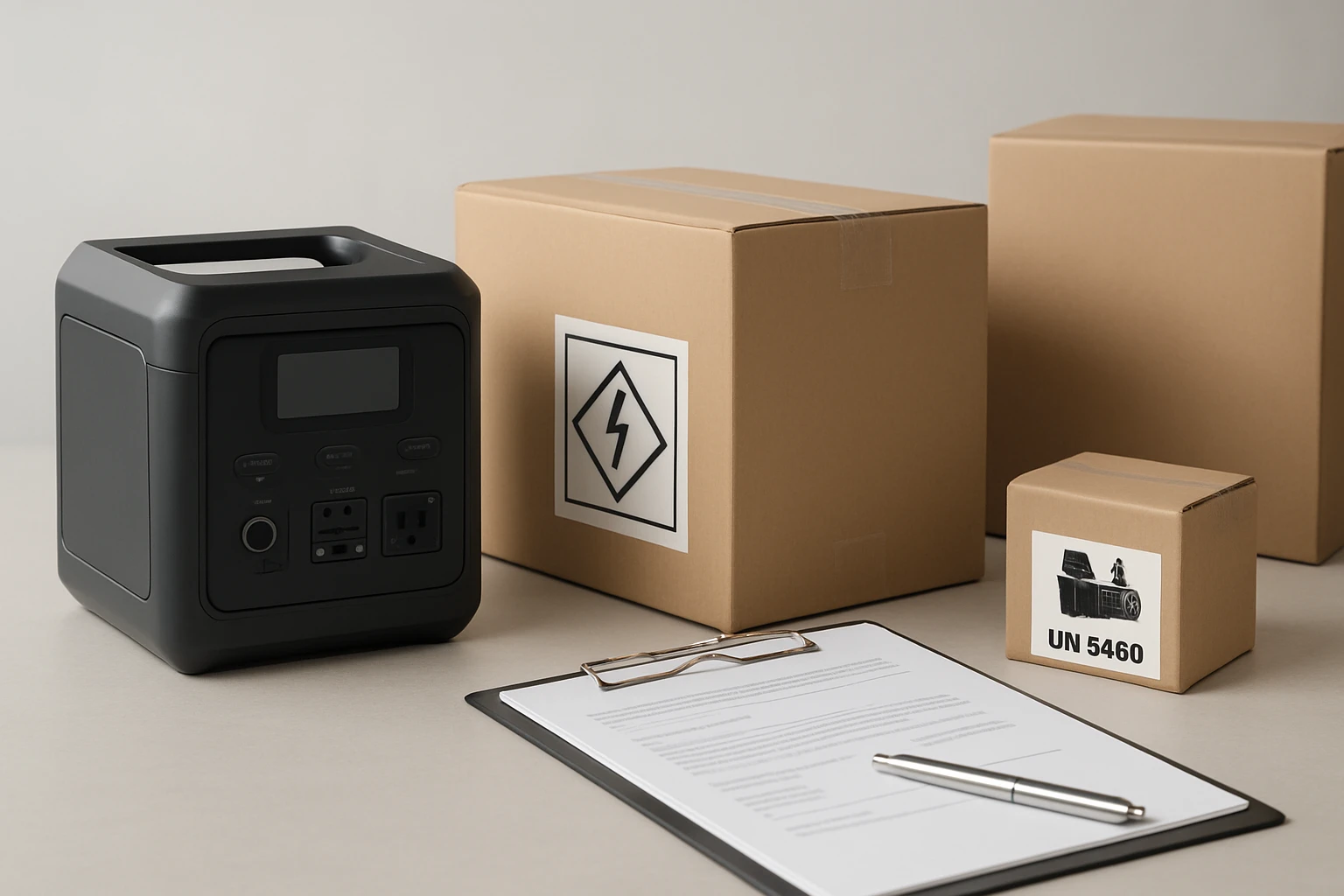
Shipping lithium power stations demands strict adherence to customs regulations, hazardous‑material (hazmat) rules, and packaging standards. One who follows a systematic approach can avoid costly delays, fines, and safety incidents. This guide explains each phase from classification to final carrier hand‑off, providing actionable instructions and real‑world examples. Readers will finish with confidence that their shipments meet international compliance requirements.
The information presented is based on current United States Department of Transportation (DOT) and International Air Transport Association (IATA) guidelines, as well as best practices used by logistics professionals. By integrating these steps, one can protect both the product and the supply chain while maintaining a professional image for customers.
What You’ll Need
- Accurate product specifications and safety data sheets (SDS) for the lithium power stations.
- Properly completed IATA/IMDG declaration forms.
- Durable outer cartons rated for heavy equipment.
- Shock‑absorbing cushioning such as foam inserts or molded pulp.
- Clear Packing List Envelopes for shipping documents.
Step 1: Classify the Shipment
The first action is to determine the correct UN number and hazard class for the lithium power stations. Most lithium‑ion battery packs fall under UN 3480 (Lithium ion batteries, packed alone) or UN 3481 (Lithium ion batteries contained in equipment). One must review the battery’s watt‑hour rating; units exceeding 100 Wh require additional documentation and may be restricted on passenger aircraft.
After classification, generate a Shipper’s Declaration for Dangerous Goods (SDDG) that includes the UN number, proper shipping name, hazard class, and packing group. This document becomes the cornerstone of the compliance package.
Step 2: Prepare Required Documentation
Customs authorities demand a commercial invoice, packing list, and the SDDG for every hazmat shipment. The commercial invoice should list the product’s HS code, declared value, and country of origin. The packing list details each unit, weight, and dimensions, allowing customs brokers to verify compliance.
Because lithium power stations are high‑value items, it is advisable to include a certificate of origin and any applicable export licenses. All documents must be printed on durable paper and kept together to prevent loss during transit.
Step 3: Package the Power Stations Securely
Begin by placing the power station on a moisture‑resistant pallet or sturdy cardboard base. Surround the unit with anti‑static foam to cushion impacts and to prevent short‑circuits caused by vibration. Seal the outer carton with reinforced tape, ensuring that seams are fully covered.
Once the hardware is secured, one must protect the accompanying paperwork. The Clear Packing List Envelopes are ideal for this purpose. Each envelope measures 7.5" × 5.5" with an inner opening of 7" × 5", allowing a full commercial invoice, packing list, and SDDG to be inserted without folding. The transparent material provides immediate visibility for barcode scanning, reducing handling time at customs checkpoints.
Key features that make these envelopes suitable include a strong peel‑and‑stick adhesive that bonds to cardboard, plastic, or foam surfaces, and a waterproof, dustproof construction that protects documents from rain or humidity during overseas transport. Priced at $11.99 for a 200‑pack, the envelopes have a 4.6‑star rating from over 6,000 reviewers, indicating reliable performance in high‑volume shipping environments.
Step 4: Apply Hazmat Labels and Markings
After the package is sealed, affix the required hazardous‑material labels to the outer carton. The label must be placed on a flat surface, at least 100 mm from any edge, and must remain legible throughout the journey. In addition to the lithium‑ion label, include a handling label that reads “Lithium batteries – handle with care”.
When shipping by air, the IATA requires a “Cargo Aircraft Only” (CAO) marking for batteries exceeding 100 Wh. One should also attach a “UN 3480” or “UN 3481” placard on the outside of the pallet if multiple cartons are consolidated.
Step 5: Arrange Carrier and Customs Clearance
Select a carrier experienced in hazardous‑material logistics, such as FedEx Express Dangerous Goods or UPS Air Freight. Provide the carrier with the completed SDDG and the sealed documentation envelope. Most carriers will request an electronic copy of the paperwork before pickup.
Engage a customs broker to submit the commercial invoice, packing list, and any required export permits to the destination country’s customs authority. The broker will use the information inside the Clear Packing List Envelopes to verify that the shipment complies with import regulations, reducing the risk of detention.
Step 6: Attach Documentation Securely
Place the sealed envelope containing the commercial invoice, packing list, and SDDG on the side of the outer carton opposite the hazmat labels. This positioning allows customs officers to retrieve documents without disturbing the labels or the product itself. Ensure the envelope’s adhesive backing is firmly pressed onto a clean surface to prevent accidental detachment.
Finally, double‑check that the envelope is still clear and that all text is legible. A quick visual inspection before hand‑off can prevent costly re‑packaging later in the supply chain.
Tips & Pro Tips
- Always verify the battery’s state of charge; shipping at less than 30 % charge is recommended for air transport.
- Use a moisture‑absorbing desiccant packet inside the envelope to protect paper documents from humidity.
- Maintain a digital backup of all documents; many carriers accept electronic copies for faster clearance.
- Consider a secondary tamper‑evident seal on the outer carton to demonstrate chain‑of‑custody integrity.
- When shipping multiple units, group them in a master carton and label each sub‑carton with a unique identifier for easier inventory tracking.
Conclusion
Shipping lithium power stations safely requires meticulous classification, thorough documentation, robust packaging, and precise labeling. By following the six steps outlined above, one can navigate customs, comply with hazmat regulations, and deliver products without delay. The use of Clear Packing List Envelopes streamlines document handling, enhances visibility, and protects paperwork from environmental damage.
Implement these practices on every shipment to build a reputation for reliability and regulatory compliance, ultimately strengthening customer trust and expanding market reach.
Products Mentioned in This Guide
Frequently Asked Questions
Which regulations must be followed when shipping lithium power stations?
Shipments must comply with U.S. DOT, IATA (air) and IMDG (sea) hazardous‑material rules, including proper classification and packaging.
What documentation is required for a lithium power station shipment?
You need accurate product specs, a Safety Data Sheet (SDS), and completed IATA/IMDG declaration forms.
How should lithium power stations be packaged for transport?
Use durable outer cartons rated for heavy equipment with shock‑absorbing foam or molded pulp inserts to protect the units.
What are the consequences of non‑compliance with customs and hazmat rules?
Non‑compliance can lead to shipment delays, fines, and safety incidents, potentially damaging your reputation.
Can I ship lithium power stations internationally by air?
Yes, but you must meet IATA’s lithium battery classification, labeling, and packaging requirements before carrier hand‑off.