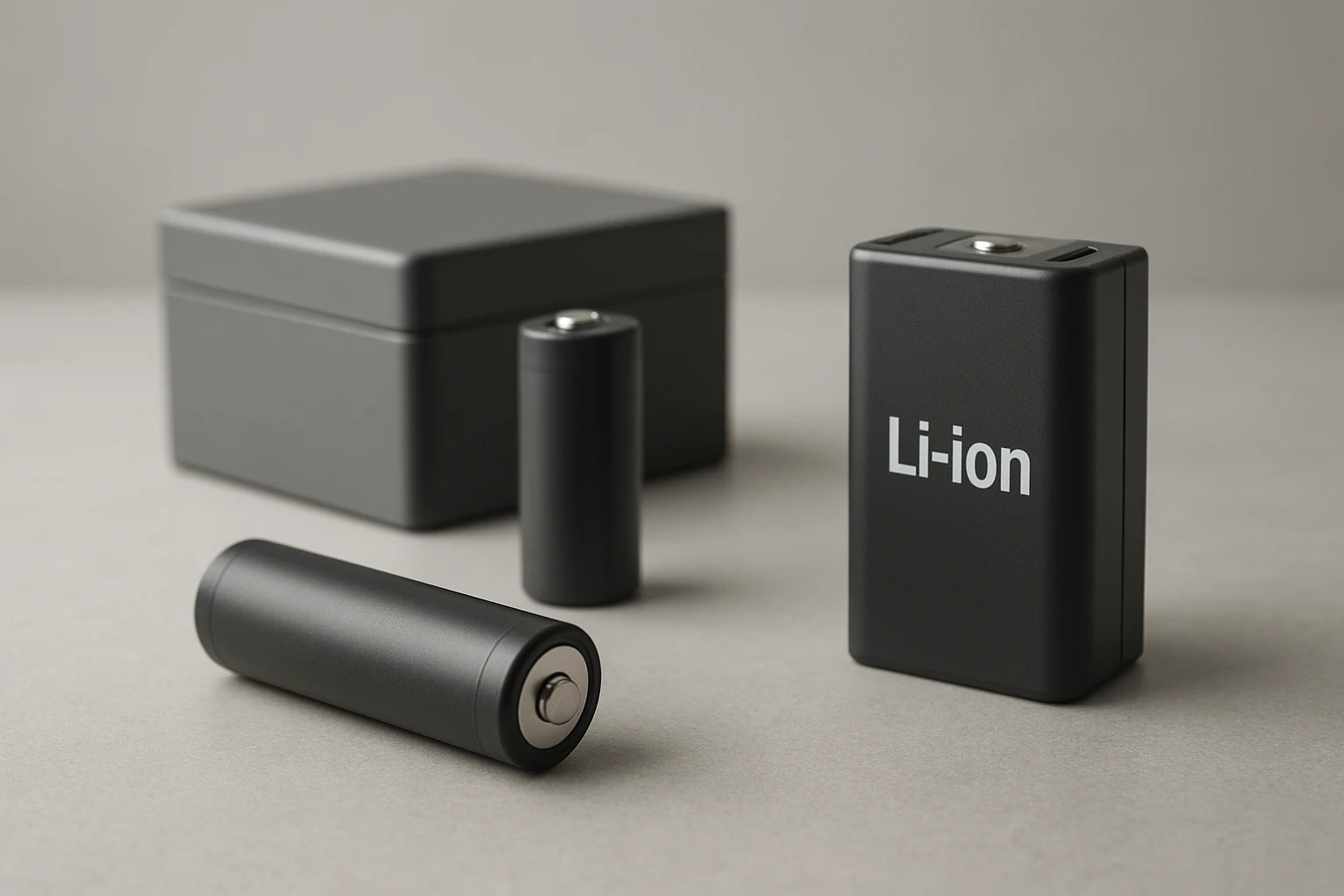
How to Store Lithium Portable Batteries Long-Term: Safe Steps to Maximize Lifespan
Introduction
One will learn how to preserve the health of lithium portable batteries while minimizing fire risk. The guide explains why temperature control, charge level, and physical protection are critical for extending service life. It also demonstrates how to integrate inexpensive fire‑proof storage bags into a comprehensive safety routine. By following the procedures, one can protect valuable devices, reduce the chance of hazardous incidents, and avoid costly replacements.
The information is based on industry standards, laboratory findings, and real‑world user experiences. It is written for an intermediate audience that already understands basic battery terminology but seeks deeper practical guidance. The tone remains professional and authoritative throughout.
What You'll Need
- Fire‑proof containment bag (e.g., Zangc Explosion‑Proof Battery Bag or ZOOPIP Fireproof Lipo Battery Bags)
- Silicone‑coated fiberglass organizer for multiple units (optional)
- Temperature‑stable storage cabinet or drawer
- Label printer or permanent marker
- Digital hygrometer and thermometer
- Non‑conductive tray or foam padding
Step 1: Prepare a Controlled Storage Environment
One should select a location that remains between 15 °C and 25 °C (59 °F–77 °F) and exhibits relative humidity below 60 %. Excessive heat accelerates electrolyte degradation, while high humidity promotes corrosion. Place a digital hygrometer and thermometer inside the cabinet to monitor conditions continuously.
If the storage area is prone to temperature fluctuations, consider using a small insulated box with a passive cooling element. Avoid basements that are subject to flooding, and keep the storage zone away from direct sunlight, radiators, or kitchen appliances.
By establishing a stable environment, one reduces the chemical stress that shortens battery lifespan. No product recommendation is required for this step, but the use of a fire‑proof bag later adds a safety margin should temperature rise unexpectedly.
Step 2: Choose Appropriate Fire‑Proof Containment
The next step involves placing each battery inside a fire‑resistant enclosure. The Zangc Explosion‑Proof Battery Bag is designed for single‑cell or small pack storage. It measures 18 × 23 cm (approximately 7 × 9 inches) and is constructed from fire‑proof cloth and PVC layers. The bag features a Velcro seal that limits airflow, thereby reducing oxygen availability during a thermal event. It is priced at $7.99 and holds a 4.6‑star rating from 15 reviews, indicating reliable performance for the cost.
For users who need to store multiple power banks or wish to keep accessories organized, the ZOOPIP Fireproof Lipo Battery Bags come in a 2‑pack. Each bag measures 10.7 × 6.3 inches, is fabricated from silicone‑coated fiberglass, and meets the UL94 VTM‑0 fire‑resistance standard. The larger interior accommodates several batteries, cables, and even documents. Priced at $15.99 for the pair, it carries a 4.2‑star rating from 28 reviews, offering a balance of capacity and protection.
One should select the Zangc bag when dealing with a single high‑capacity battery that requires a compact seal. The ZOOPIP bags are preferable for bulk storage, travel, or when additional organization pockets are needed. Both products provide an extra barrier that can contain a fire long enough for the user to respond safely.
Step 3: Condition the Battery Charge Level
Before long‑term storage, one must adjust the state of charge (SoC) to the optimal range of 40 %–60 %. Storing a lithium cell at 100 % accelerates electrolyte oxidation, while a deeply discharged cell may develop copper plating on the anode. Use a smart charger that can terminate at a preset voltage, typically 3.8 V per cell for lithium‑ion chemistry.
After reaching the target SoC, allow the battery to rest for one hour to stabilize the voltage. Then place the battery in the chosen fire‑proof bag, ensuring that the Velcro seal is fully engaged for the Zangc bag or that the zipper on the ZOOPIP bag is closed tightly.
This charge‑conditioning step is essential regardless of the containment method. It minimizes capacity loss over months and reduces the likelihood of internal short circuits that could trigger a fire.
Step 4: Label, Document, and Separate Batteries
Accurate labeling prevents accidental mixing of different chemistries or capacities. Use a permanent marker or a label printer to record the manufacturer, model, capacity, and date of storage on the exterior of each bag. For the ZOOPIP 2‑pack, one can write directly on the fabric surface because the material tolerates ink without smearing.
Separate batteries by chemistry (e.g., lithium‑ion versus lithium‑polymer) and by voltage range. Place each labeled bag on a non‑conductive tray or foam padding to avoid metal‑to‑metal contact. This arrangement also simplifies periodic inspection.
Documenting the SoC at the time of storage enables one to plan re‑charging cycles. A simple spreadsheet can track when each battery should be re‑conditioned, typically every three to six months.
Step 5: Perform Periodic Inspection and Maintenance
Every three months, one should remove the batteries from their bags, inspect the exterior for discoloration, swelling, or seal damage, and measure the voltage with a multimeter. If the voltage has dropped below 35 %, recharge the battery to the 40 %–60 % window before returning it to storage.
Check the integrity of the fire‑proof bags. The Zangc bag’s Velcro strips may lose adhesion over time; if they feel loose, replace the bag to maintain a reliable seal. The silicone‑coated fiberglass of the ZOOPIP bags is resistant to wear, but any tears should be repaired with heat‑resistant tape.
Maintaining a regular inspection schedule ensures that any degradation is caught early, preventing a hazardous incident and preserving battery performance.
Tips & Pro Tips
- Do not store batteries near magnetic fields or strong radio‑frequency emitters, as these can accelerate internal heating.
- Never place a battery in a sealed plastic bag without a fire‑proof enclosure; the lack of oxygen does not prevent thermal runaway.
- When traveling, keep the fire‑proof bag in a carry‑on rather than checked luggage to allow quick access in case of an emergency.
- Consider using a small desiccant packet inside the bag to control moisture, especially in humid climates.
- For high‑capacity power banks, store them at the lower end of the recommended temperature range (15 °C) to further reduce aging.
Troubleshooting
| Problem | Possible Cause | Solution |
|---|---|---|
| Battery appears swollen after storage | Excessive heat or over‑charge before sealing | Remove the battery immediately, place it in a fire‑proof bag, and contact the manufacturer for safe disposal. |
| Velcro seal on Zangc bag does not stay closed | Wear of the hook‑loop material | Replace the bag with a new unit; the cost is modest compared with potential damage. |
| Bag interior shows discoloration | Exposure to chemicals or prolonged sunlight | Store the bag in a dark, dry cabinet and avoid contact with solvents. |
Conclusion
One has now learned how to store lithium portable batteries long‑term while maximizing lifespan and minimizing fire risk. By controlling temperature, conditioning charge, using fire‑proof containment, labeling accurately, and performing regular inspections, the user creates a robust safety system. The recommended Zangc and ZOOPIP fire‑proof bags provide affordable, tested barriers that complement best‑practice storage techniques. Implementing these steps will protect valuable equipment, ensure personal safety, and reduce unnecessary expenses.
Products Mentioned in This Guide
Frequently Asked Questions
What is the ideal charge level for storing lithium portable batteries long‑term?
Store them at about 40‑60% charge to minimize capacity loss and chemical stress.
How does temperature affect the lifespan of stored lithium batteries?
Extreme heat accelerates degradation, while cold slows reactions; aim for a stable 15‑25 °C (59‑77 °F) environment.
Why should I use a fire‑proof containment bag for stored batteries?
A fire‑proof bag contains potential thermal runaway, reducing fire risk and protecting nearby items.
Can I store lithium batteries together with metal objects?
No; keep them away from conductive metals to prevent short‑circuits and accidental discharge.
How often should I check batteries that are stored for months?
Inspect them every 3‑6 months for swelling, corrosion, or voltage drop, and recharge to the target level if needed.