
Introduction
This guide explains how a food‑truck operator can use portable power stations to manage peak electrical loads while maintaining reliable service during busy periods. The reader will learn how to assess power demand, select the appropriate station, connect cooking equipment safely, and optimise the system for efficiency. By following the steps, one can reduce dependence on noisy diesel generators, lower fuel costs, and improve the overall customer experience.
The information is practical for operators who already own basic equipment, yet it also provides product recommendations that simplify implementation. The guide is written in a professional tone and is useful even if the reader chooses not to purchase any of the suggested tools.
What You’ll Need
- EF ECOFLOW DELTA 2 – 1024 Wh LiFePO4 battery, 1800 W AC output, fast charging.
- Jackery Explorer 1000 v2 – 1070 Wh capacity, 1500 W AC output, app‑controlled charging.
- MARBERO 88Wh Power Station – compact unit with multiple ports and built‑in LED light.
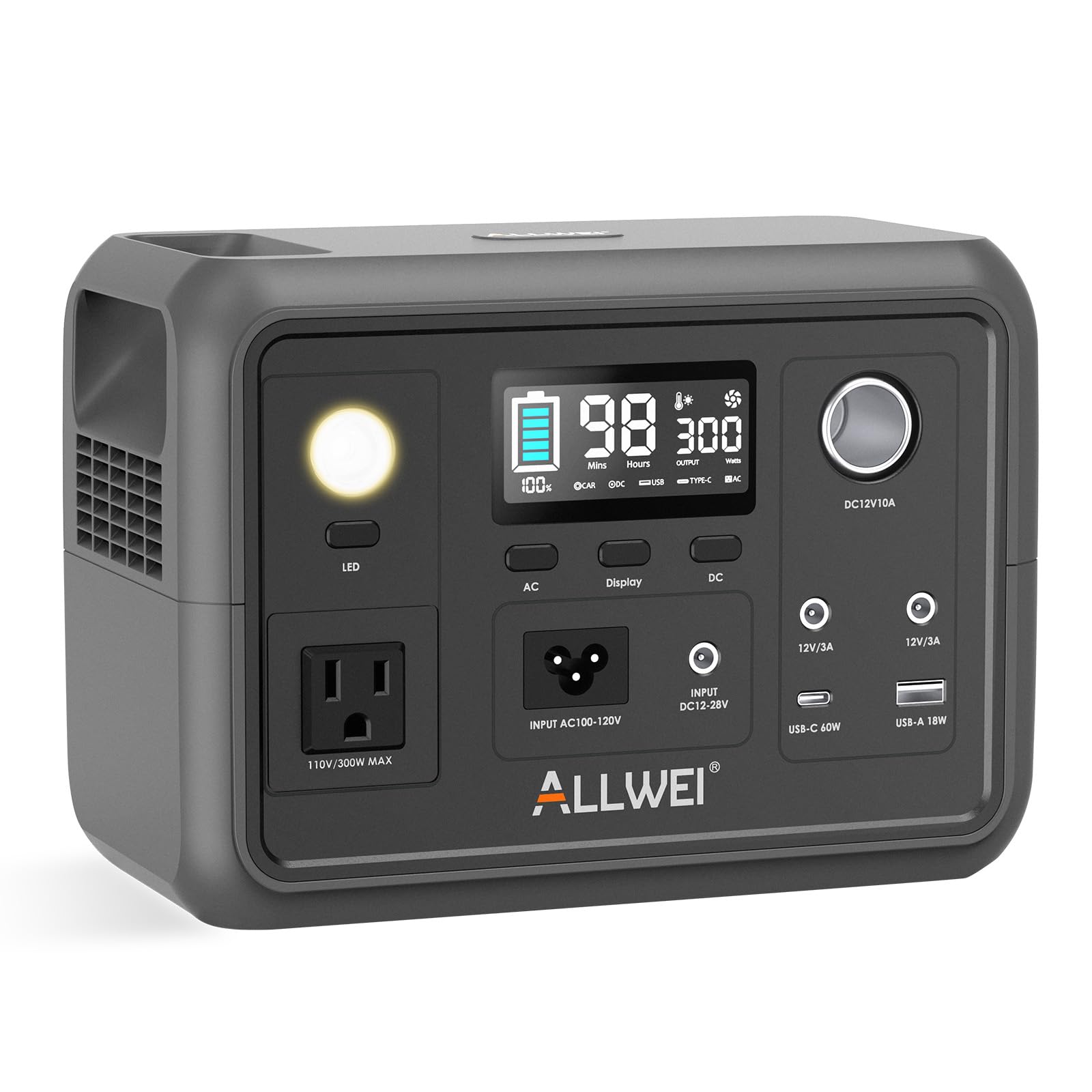
- ALLWEI 300W Power Station – lightweight 256 Wh unit with pure sine wave output.
- Heavy‑duty AC extension cords, surge‑protected power strips, and appropriate connectors for kitchen appliances.
- Optional solar panel (compatible with the selected power station) for off‑grid charging.
Step 1: Assess Your Peak Load Requirements
Begin by listing every electrical device that will operate simultaneously during the busiest service hour. Typical items include a commercial grill, refrigeration unit, blender, POS system, and lighting. Record the wattage of each device, which is usually printed on the equipment label or found in the user manual.
Sum the wattages to obtain the total peak load. For example, a grill may require 1200 W, a refrigerator 150 W, a blender 300 W, and a POS system 50 W, resulting in a total of 1700 W. Add a safety margin of 20 % to accommodate start‑up surges, especially for motor‑driven appliances.
Understanding the exact load helps determine the minimum continuous power rating and battery capacity needed for uninterrupted operation.
Step 2: Choose the Appropriate Power Station
Match the calculated load to a power station that can supply the required continuous wattage and has sufficient battery capacity to sustain operation for the expected service duration.
For loads up to 1800 W, the EF ECOFLOW DELTA 2 is ideal. It offers 1800 W continuous output, 15 outlets, and a 1024 Wh LiFePO4 battery that can run a 1700 W load for approximately 35 minutes before recharging. Its fast‑charging capability (0‑80 % in 50 minutes) reduces downtime between service periods.
If the peak load exceeds 1500 W but remains below 2000 W, the Jackery Explorer 1000 v2 provides 1500 W continuous output with a 1070 Wh battery, delivering roughly 45 minutes of operation at 1500 W. Its app‑controlled fast charging and 10‑year battery lifespan make it a reliable backup.
For smaller trucks with modest equipment, the ALLWEI 300W Power Station supplies 300 W continuous power and 256 Wh capacity, sufficient for POS systems, LED lighting, and a small refrigeration unit.
When space is extremely limited, the MARBERO 88Wh Power Station offers a compact form factor with 8 output ports and a built‑in flashlight, suitable for short‑duration peak bursts such as a coffee‑maker run.
Step 3: Configure Safe Connections
Use heavy‑duty AC extension cords rated for at least 125 % of the maximum load. Connect the power station to a surge‑protected power strip, then plug each kitchen appliance into the strip. This arrangement protects sensitive electronics from voltage spikes and distributes load evenly across outlets.
When using the EF ECOFLOW DELTA 2, take advantage of its 15 outlets: allocate high‑draw devices (grill, fryer) to the dedicated AC outlets, and connect low‑draw items (POS, lighting) to the USB‑C or USB‑A ports where appropriate. The station’s built‑in Battery Management System (BMS) monitors temperature and voltage, automatically regulating output to prevent overload.
If the selected station includes a DC car port, it can power 12 V refrigeration units directly, reducing conversion losses associated with AC adapters.
Label each cord and document the connection diagram. This practice simplifies troubleshooting and ensures compliance with local electrical codes.
Step 4: Integrate Solar Charging (Optional but Recommended)
For operators who park for extended periods without access to grid power, attach a compatible solar panel to the power station. The EF ECOFLOW DELTA 2 accepts up to 500 W of solar input, allowing the battery to recharge while the truck is idle under sunlight.
Position the panel at a 45‑degree angle facing the sun, secure it with a portable mount, and connect it to the station’s MPPT (Maximum Power Point Tracking) input. MPPT optimises the charging efficiency, often delivering 20‑30 % more power than non‑MPPT panels.
For the ALLWEI 300W Power Station, a 100 W solar panel can fully recharge the 256 Wh battery in 4‑5 hours, providing a quick turnaround between service days.
Remember to monitor the state of charge via the station’s display or companion app, and avoid deep discharge below 20 % to extend battery life.
Step 5: Test the System Before Opening for Business
Perform a full‑load test at least 24 hours before the first day of operation. Power all intended appliances simultaneously and observe the battery’s discharge curve. Verify that the power station does not enter an overload protection mode.
Record the runtime achieved at the target load. If the runtime is shorter than required, consider adding an extra battery module (the DELTA 2 supports expansion up to 3 kWh) or reducing non‑essential loads.
Check that the built‑in LED indicator and any external lights function correctly. Ensure that the BMS reports normal temperature; excessive heat may indicate insufficient ventilation.
Document the test results and keep them on hand for future reference or for training new staff.
Step 6: Maintain and Monitor Performance
Regular maintenance prolongs the life of the power station. Keep the exterior clean, store the unit in a dry environment when not in use, and inspect cables for wear.
Charge the battery to at least 50 % every month if the unit remains idle for longer periods. For LiFePO4 chemistry, this practice prevents capacity loss.
Utilise the companion app of the Jackery Explorer 1000 v2 to schedule charging during off‑peak electricity rates, reducing operating costs.
Replace any damaged cord or outlet immediately, and follow the manufacturer’s warranty guidelines for service.
Tips & Pro Tips
- Always size the power station for the highest possible surge demand, not just the average load.
- Use pure sine wave AC output (available on all listed stations) to protect sensitive electronics such as POS terminals.
- Combine AC and DC charging (dual‑input) when possible to minimise downtime.
- Store a spare set of fuses and circuit breakers in the truck for quick replacement.
- Consider a small UPS (Uninterruptible Power Supply) behind the power station to bridge brief power interruptions during battery swaps.
Conclusion
By assessing power demand, selecting a suitable portable power station, configuring safe connections, and optionally integrating solar charging, a food‑truck operator can manage peak loads reliably and efficiently. The recommended products—EF ECOFLOW DELTA 2, Jackery Explorer 1000 v2, MARBERO 88Wh Power Station, and ALLWEI 300W Power Station—provide a range of capacities and features that align with different operational scales. Implementing the steps outlined in this guide will reduce reliance on noisy generators, lower fuel expenses, and enhance the overall customer experience.
Products Mentioned in This Guide


Frequently Asked Questions
How do I calculate the peak power demand of my food‑truck equipment?
List each appliance’s wattage, sum them, and add a 20‑30% safety margin to cover startup surges.
What factors should I consider when choosing a portable power station for a food truck?
Look at battery capacity (Wh), continuous AC output (W), charging speed, weight, and whether it supports the appliances you’ll run.
Can I safely run multiple cooking devices from one power station?
Yes, as long as the combined load stays within the station’s continuous wattage rating and you use proper extension cords and circuit protection.
How does a power station compare to a diesel generator for peak‑load management?
Power stations are quieter, emit no fumes, require less maintenance, and have lower operating costs, though they have limited run‑time per charge.
What’s the best way to keep my power station charged during a long service day?
Use fast solar panels or a high‑amp AC charger to top up between service periods, and plan recharging cycles based on your daily energy use.