Introduction
Off‑grid medical clinics require dependable electricity to operate life‑saving equipment such as ventilators, refrigeration units, and diagnostic tools. This guide explains how to assess power needs, evaluate portable power stations, and implement best practices for reliable backup power. Readers will learn fundamental concepts, compare leading models, and discover actionable strategies to ensure continuous operation during emergencies.
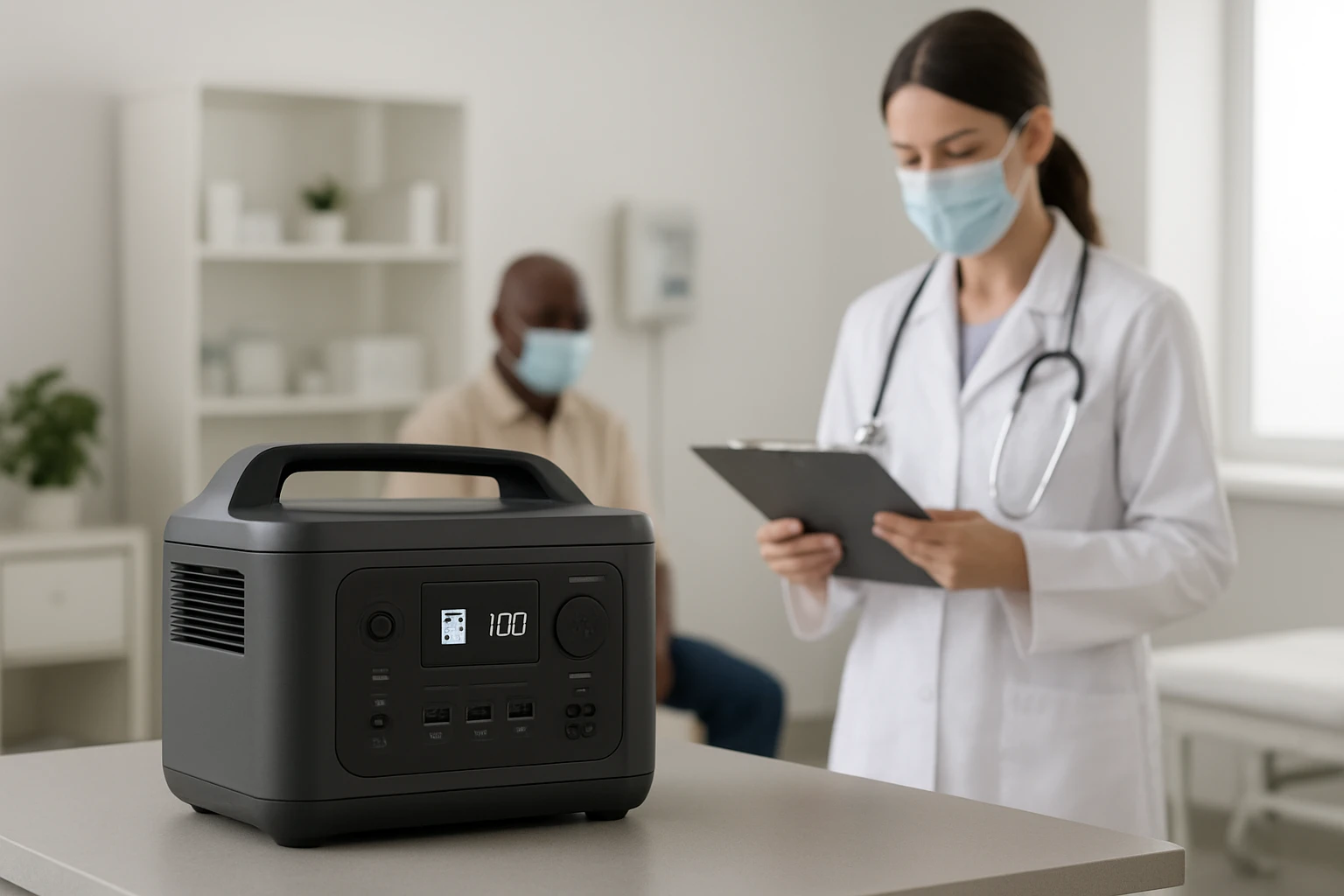
The discussion focuses on two highly rated units that meet the stringent demands of medical environments: DARAN Portable Power Station 600W and BLUETTI Elite 30 V2. Both devices provide pure sine wave output, rapid charging, and robust safety features, making them suitable for critical healthcare applications.
By the end of this guide, one will be able to size a power solution, compare specifications, and apply maintenance protocols that extend battery life and guarantee performance when power outages occur.
Background and Context
Medical clinics operating in remote locations often lack access to a stable grid. In such settings, power interruptions can jeopardize patient care, compromise medication storage, and disrupt communication systems. Portable power stations, also known as solar generators, combine high‑capacity batteries with inverter technology to deliver AC and DC power on demand.
Key technical terms include:
- Pure sine wave output: Replicates the smooth waveform of utility power, essential for sensitive medical devices.
- Surge power: The temporary boost a device can draw during start‑up; a power station must exceed the device’s peak requirement.
- LiFePO4 battery: Lithium iron phosphate chemistry provides longer cycle life, thermal stability, and reduced fire risk compared with traditional lithium‑ion cells.
- Battery Management System (BMS): Monitors temperature, voltage, and current to protect against overload and over‑discharge.
Understanding these concepts enables clinicians to select a unit that will not only run equipment but also protect it from power irregularities.
Key Considerations for Selecting a Portable Power Station
1. Power Capacity and Runtime
Capacity is measured in watt‑hours (Wh). A clinic must calculate the total energy consumption of all devices that will operate simultaneously. For example, a 30 W CPAP machine running for eight hours consumes 240 Wh. Adding a 100 W vaccine refrigerator operating continuously adds 2,400 Wh per day. The selected power station should therefore provide sufficient Wh to cover peak demand plus a safety margin of at least 20 %.
Both featured models deliver 288 Wh, which can sustain low‑power equipment such as CPAP machines, lighting, and small communication devices for several hours. The DARAN unit explicitly states an eight‑hour runtime for a 30 W CPAP, while the BLUETTI unit offers comparable endurance with a slightly lighter chassis.
2. Continuous and Surge Power Ratings
Continuous power indicates the maximum load the inverter can sustain indefinitely, whereas surge power denotes the short‑term peak the unit can handle during motor start‑up. Medical devices with compressors, such as mini‑fridges, often require higher surge capacity.
The DARAN Portable Power Station 600W supplies a continuous 600 W and a surge of 1,200 W, comfortably exceeding the needs of most clinic equipment. The BLUETTI Elite 30 V2 provides 600 W continuous and 1,500 W surge when Power Lifting Mode is engaged, offering an even larger safety buffer for occasional high‑draw appliances.
3. Charging Options and Speed
Rapid recharging is crucial for clinics that must restore power quickly after an outage. The DARAN model can reach 80 % charge in two hours using AC input, while the BLUETTI Elite 30 V2 achieves 80 % in just 45 minutes with its 380 W wall charger. Both units support 100 W solar input, allowing renewable recharging in sunny environments, though solar panels and cables are sold separately.
4. Portability and Durability
Weight and form factor affect how easily a unit can be moved between treatment rooms or taken to field sites. The DARAN station weighs 8.86 lb and features a shock‑resistant casing with a reinforced handle. The BLUETTI Elite 30 V2 is even lighter at 9.4 lb and includes a compact chassis designed for transport in backpacks or vehicle trunks.
5. Safety Features
Medical environments demand strict safety standards. Both power stations incorporate BMS protection, temperature monitoring, and overload safeguards. The DARAN unit adds a rear LED with SOS mode, useful during night‑time emergencies, while the BLUETTI model includes a 10 ms ultra‑fast UPS switch that prevents data loss for connected computers and monitors.
Comparison and Selection Guide
| Feature | DARAN Portable Power Station 600W | BLUETTI Elite 30 V2 |
|---|---|---|
| Battery Chemistry | LiFePO4 (288 Wh, 90,000 mAh) | LiFePO4 (288 Wh) |
| Continuous Power | 600 W | 600 W (1500 W surge in Power Lifting Mode) |
| Surge Power | 1,200 W | 1,500 W |
| Weight | 8.86 lb (10 × 6.6 × 8.2 in) | 9.4 lb |
| Charging Speed (AC) | 0‑80 % in 2 hrs | 0‑80 % in 45 min (380 W charger) |
| Solar Input | Up to 100 W | Up to 100 W |
| Ports | 2 × AC, 1 × Car, 1 × Type‑C, 2 × USB‑A, LED light | 2 × AC, 1 × Car, 1 × Type‑C, 2 × USB‑A, UPS |
| Rating | 4.4 / 5 (0 reviews) | 4.5 / 5 (416 reviews) |
| Price | $189.99 | $219.00 |
When selecting a unit, clinicians should prioritize surge capacity if the clinic relies on compressors or high‑draw devices. The BLUETTI Elite 30 V2 offers the highest surge rating, making it suitable for larger refrigeration units. Conversely, the DARAN station provides a lower price point while still meeting the needs of most portable diagnostic equipment.
Best Practices and Tips for Reliable Operation
- Perform Full Charge‑Discharge Cycles: Complete two full cycles after initial receipt to calibrate the battery management system.
- Maintain a Regular Recharge Schedule: Store the unit at 50‑70 % state of charge and recharge every 1‑2 months to prevent capacity loss.
- Use Appropriate Cables: Employ the supplied AC charging cable for wall charging and ensure solar panels meet the 100 W input specification.
- Monitor Temperature: Place the power station in a well‑ventilated area away from direct sunlight to avoid thermal throttling.
- Implement Redundant Power: For critical clinics, consider pairing two units to provide overlapping runtime and redundancy.
- Test UPS Functionality: Simulate a power loss to verify that the UPS switch engages within the advertised 10 ms window.
Frequently Asked Questions
1. How long can a 288 Wh power station run a CPAP machine?
Assuming a 30 W CPAP and an 85 % conversion efficiency, the runtime is approximately 8 hours, as calculated by the manufacturer.
2. Can these power stations be used indoors?
Both units produce zero emissions and operate silently, making indoor use safe. The DARAN model includes an LED with SOS mode for emergency lighting.
3. What solar panel is recommended?
Any 100 W panel with compatible MC4 connectors will charge the units efficiently. The BLUETTI Elite 30 V2 pairs well with the PV60L panel for rapid recharging.
4. Is the UPS function suitable for medical monitors?
Yes. The BLUETTI Elite 30 V2’s 10 ms UPS switch provides seamless power continuity for monitors, laptops, and routers during brief outages.
5. How does the BMS protect the battery?
The Battery Management System monitors temperature, voltage, and current, automatically shutting down the output if unsafe conditions arise, thereby preventing overheating or over‑discharge.
6. Can the units be chained for increased capacity?
Both models support parallel operation with identical units, effectively doubling the available watt‑hours while maintaining the same output rating.
Conclusion
Portable power stations have become indispensable tools for off‑grid medical clinics, providing clean, reliable electricity for life‑supporting equipment. By understanding power requirements, evaluating continuous and surge ratings, and following maintenance best practices, clinicians can select a solution that ensures uninterrupted patient care. The DARAN Portable Power Station 600W and BLUETTI Elite 30 V2 each offer distinct advantages; the final choice should align with the clinic’s specific device load, budget, and operational preferences.
Products Featured in This Guide
DARAN Portable Power Station 600W
Price: $189.99 | Rating: 4.4/5 (0 reviews)
Featured for its robust 600 W continuous output, 1,200 W surge capability, rapid 2‑hour AC charging, and lightweight, shock‑resistant design suitable for portable clinics.
BLUETTI Elite 30 V2
Price: $219.00 | Rating: 4.5/5 (416 reviews)
Featured for its ultra‑fast 45‑minute 80 % charge, 1,500 W surge capacity in Power Lifting Mode, integrated UPS switch, and strong user feedback indicating reliability for medical backup power.