Introduction
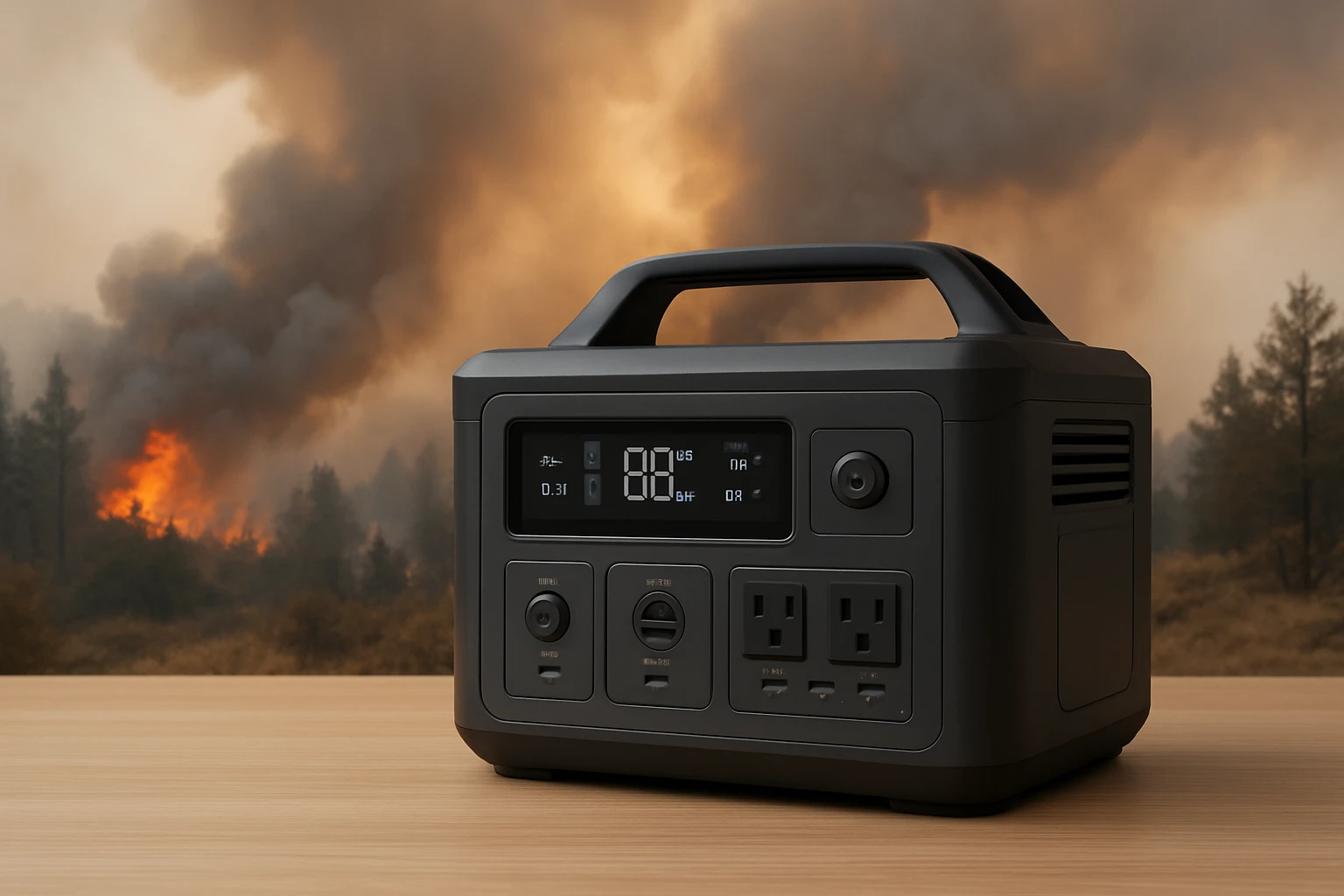
Wildfires present a unique combination of power outages and hazardous air quality, compelling homeowners and outdoor enthusiasts to rely on portable power stations for essential electricity. This guide explains how smoke particles interact with battery systems, outlines ventilation strategies that protect both devices and occupants, and provides actionable steps for safe operation. Readers will learn the science behind smoke infiltration, discover best‑practice charging and discharge techniques, and receive expert product recommendations that align with wildfire scenarios.
By the end of this article, one will be able to assess risk, select an appropriate power station, and implement ventilation measures that preserve device longevity while maintaining indoor air safety. The information presented draws from verified specifications of two leading models, ensuring that recommendations are grounded in real‑world performance data.
Background / Context
Portable power stations are essentially large lithium‑based battery packs equipped with inverters, charge controllers, and multiple output ports. The most common chemistries are lithium‑ion (Li‑ion) and lithium‑iron‑phosphate (LiFePO4), the latter offering superior thermal stability and longer cycle life. During a wildfire, power grids may fail, and the resulting reliance on battery power creates a need for devices that can operate safely in environments saturated with fine particulate matter.
Smoke from wildfires consists of carbon monoxide, volatile organic compounds, and microscopic ash particles that can infiltrate electronic enclosures if ventilation is inadequate. While LiFePO4 cells tolerate higher temperatures than traditional Li‑ion cells, excessive heat combined with reduced airflow can accelerate degradation, reduce charge efficiency, and in extreme cases, trigger safety shutdowns. Understanding these dynamics is essential for anyone planning to deploy a portable power station in a wildfire‑prone region.
Understanding Smoke Risks for Portable Power Stations
Smoke particles are small enough to pass through many filter media, and when they settle on battery terminals or internal circuitry, they can create conductive pathways that lead to short circuits. Moreover, the presence of carbon monoxide does not directly affect the battery chemistry, but it does indicate a broader lack of ventilation, which can cause internal temperatures to rise.
Key risk factors include:
- Reduced Airflow: Enclosed spaces trap heat, increasing the temperature of the battery cells.
- Particulate Deposition: Ash and soot can accumulate on connectors, raising resistance and generating heat.
- Humidity Variations: Wildfire smoke often carries moisture, which can promote corrosion on metal contacts.
Mitigating these risks requires a combination of proper placement, active ventilation, and regular maintenance.
Ventilation Strategies for Safe Operation
Effective ventilation begins with location selection. Place the power station in a well‑ventilated area away from direct smoke exposure, such as an interior room with a functional exhaust fan or a screened outdoor shelter.
When indoor placement is unavoidable, consider the following techniques:
- Install a portable air purifier with a HEPA filter to capture fine particles before they reach the device.
- Use a small, battery‑powered fan to create a continuous airflow path across the unit’s vent openings.
- Elevate the power station on a non‑conductive stand to allow heat to rise away from the battery pack.
For outdoor use, a weather‑proof canopy with side vents can shield the unit from direct flame while allowing smoke to pass through. Remember to keep the canopy’s interior clear of debris that could obstruct airflow.
Product Recommendations for Wildfire Scenarios
Two portable power stations stand out for wildfire preparedness due to their LiFePO4 chemistry, robust output options, and rapid charging capabilities.
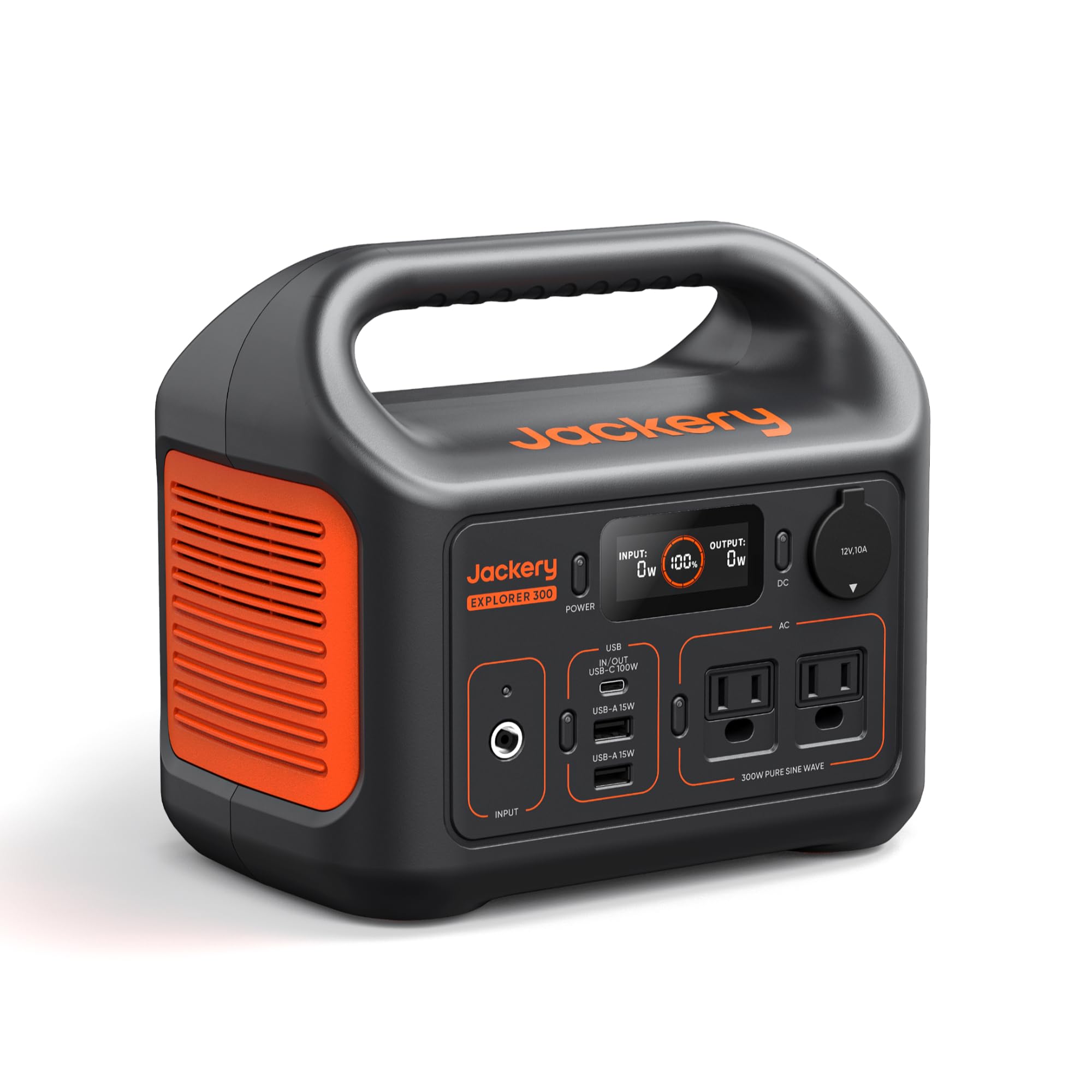
The first model, Jackery Explorer 300, offers a 292 Wh capacity, a lightweight design, and a 300 W continuous output that can sustain essential devices such as CPAP machines, communication radios, and small medical equipment. Its integrated handle facilitates rapid relocation to a safer, better‑ventilated spot when smoke conditions deteriorate.
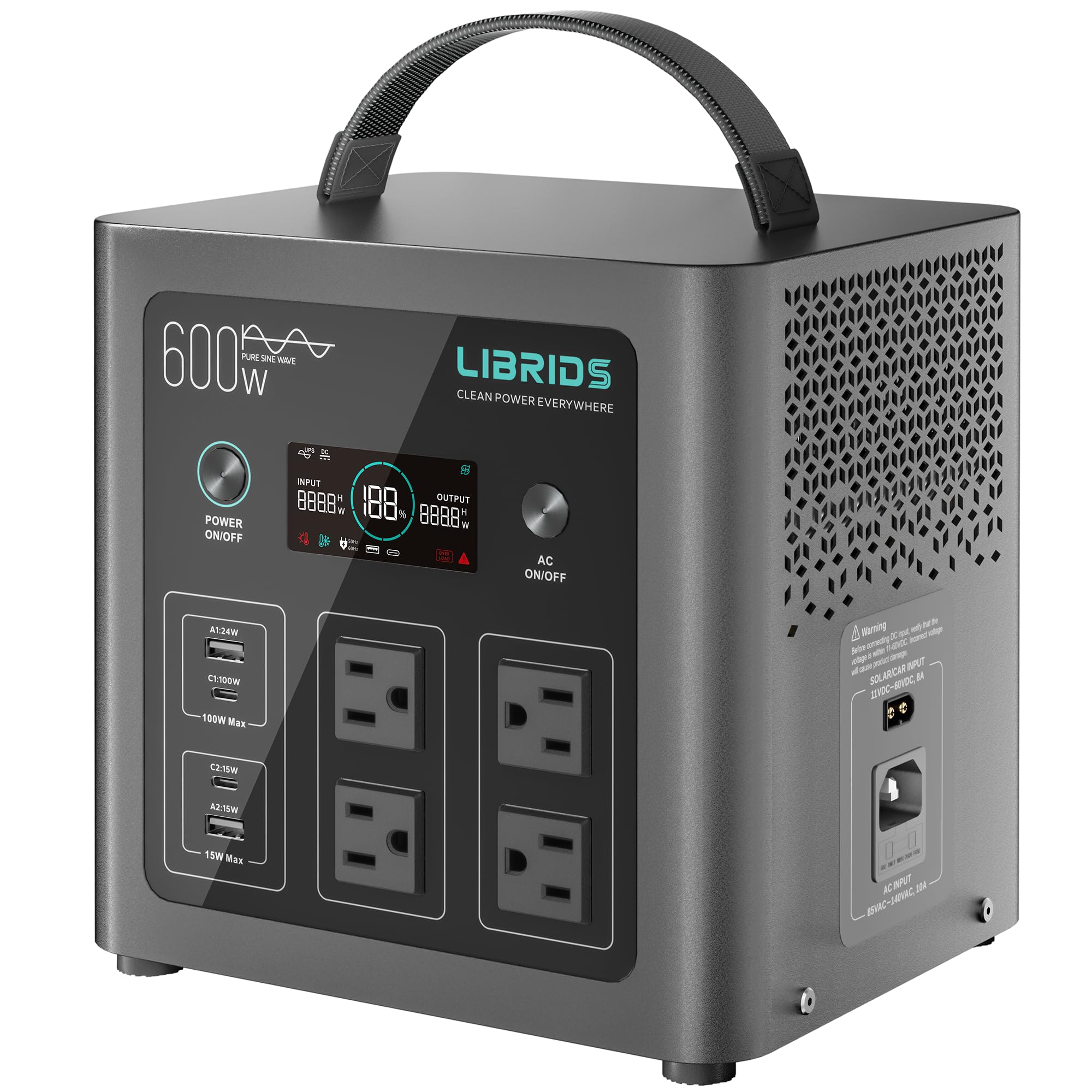
The second model, LIBRIDS C600, provides a larger 640 Wh capacity and a 600 W continuous output with a 1200 W surge, making it suitable for higher‑draw appliances like electric heaters or refrigeration units. Its built‑in 10 ms UPS ensures uninterrupted power to critical devices during sudden grid failures, a common occurrence when fire suppression crews cut electricity to protect infrastructure.
Comparison / Selection Guide
| Feature | Jackery Explorer 300 | LIBRIDS C600 |
|---|---|---|
| Battery Chemistry | LiFePO4 (4,000+ cycles) | LiFePO4 (4,000+ cycles) |
| Capacity | 292 Wh | 640 Wh |
| Continuous Output | 300 W (600 W surge) | 600 W (1200 W surge) |
| Charging Time | ~2.8 h with 100 W solar panel | 1.5 h via AC fast charge |
| Ports | 2 AC, 1 USB‑C PD 100 W, 2 USB‑A, 1 120 W car | 4 AC, multiple USB, car, and DC ports |
| Weight | 7.5 lb (ultra‑lightweight) | ~15 lb (heavier but higher capacity) |
| Rating | 4.6/5 (11,021 reviews) | 4.8/5 (57 reviews) |
Choosing between these models depends on three primary considerations: power demand, portability, and charging infrastructure. If the primary need is to keep a few low‑draw devices running while maintaining maximum mobility, the Jackery Explorer 300 is the optimal choice. Conversely, if one anticipates higher energy consumption, such as running a mini‑fridge or multiple medical devices, the LIBRIDS C600 offers the necessary capacity and surge capability.
Best Practices & Tips
Beyond product selection, the following practices enhance safety and performance during wildfire events:
- Pre‑Event Inspection: Verify that all ports are clean, and inspect the vent openings for dust accumulation.
- Charge Before Use: Fully charge the power station while the grid is still operational; LiFePO4 batteries retain charge longer than Li‑ion counterparts.
- Avoid Over‑Discharge: Do not let the battery drop below 20 % capacity, as deep discharge can shorten cycle life.
- Temperature Monitoring: Use a portable thermometer to ensure the unit’s surface temperature remains below 45 °C (113 °F).
- Secure Placement: Anchor the unit on a stable surface to prevent tipping during high winds associated with fire fronts.
- Emergency Shut‑off: Familiarize yourself with the unit’s emergency power‑off button; rapid shutdown can prevent damage if smoke infiltration becomes severe.
Frequently Asked Questions
Q1: Can I use a portable power station inside a tent during a wildfire?
Yes, provided the tent is well‑ventilated and the power station is placed on a fire‑resistant mat. Use a fan to circulate air and keep the battery temperature within safe limits.
Q2: Does smoke affect the battery’s charge rate?
Smoke itself does not alter the charge chemistry, but reduced airflow can cause the internal temperature to rise, which may trigger the charger’s safety throttling and extend charging time.
Q3: Are LiFePO4 batteries safer than Li‑ion in smoky conditions?
LiFePO4 cells are less prone to thermal runaway and can tolerate higher temperatures, making them a safer choice when ventilation is compromised.
Q4: How often should I clean the vents?
Inspect and gently brush the vents after each use, especially if the unit has been exposed to ash or dust. A soft brush or compressed air works well.
Q5: Can I connect a solar panel while the unit is discharging?
Both featured models support simultaneous charging and discharging, allowing you to extend runtime by pairing a compatible solar panel with the power station.
Q6: What is the recommended distance from a fire front?
Maintain at least a 200‑meter buffer zone when possible, and place the unit upwind of the fire to minimize smoke exposure.
Q7: Is it necessary to use a UPS with a portable power station?
For critical medical equipment, a built‑in UPS, such as the one in the LIBRIDS C600, ensures an instantaneous transition to battery power, eliminating interruption.
Conclusion
Portable power stations are indispensable tools for maintaining essential electricity during wildfires, yet they must be operated with an awareness of smoke‑related hazards. By selecting a LiFePO4‑based model, implementing robust ventilation, and adhering to best‑practice maintenance, one can safeguard both the device and personal health. The Jackery Explorer 300 excels in lightweight portability, while the LIBRIDS C600 offers greater capacity and built‑in UPS functionality for high‑demand scenarios. Armed with this knowledge, readers can make informed decisions that enhance resilience in the face of fire‑driven power disruptions.
Products Featured in This Guide
Jackery Explorer 300
Rating: 4.6/5 (11,021 reviews)
Why featured: Ultra‑lightweight LiFePO4 power station with 292 Wh capacity, 300 W output, and rapid solar charging—ideal for portable, smoke‑aware deployment.
LIBRIDS C600
Rating: 4.8/5 (57 reviews)
Why featured: High‑capacity 640 Wh LiFePO4 unit with 600 W continuous output, 10 ms UPS, and ultra‑fast 1.5‑hour AC charging—perfect for demanding wildfire backup scenarios.