Introduction
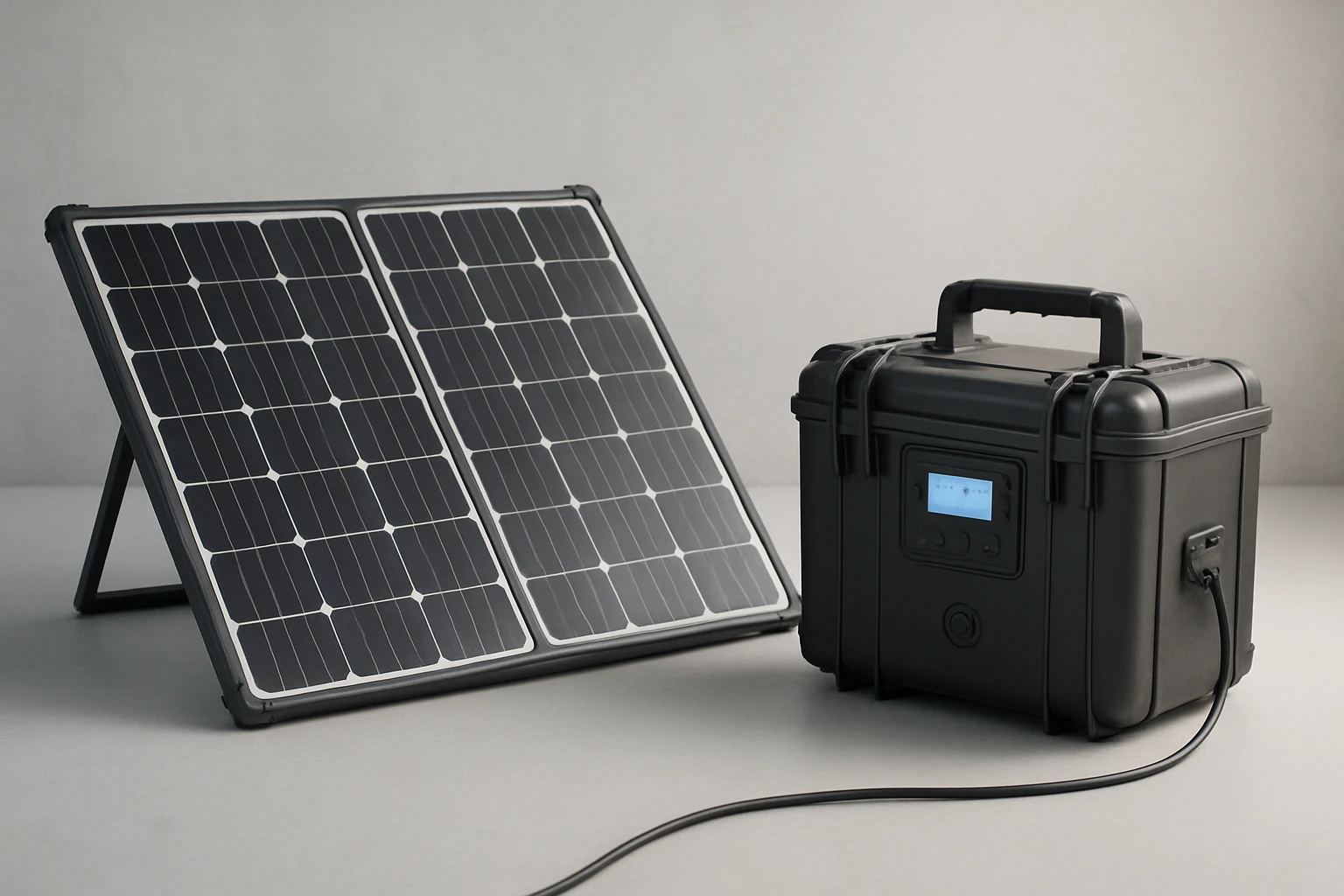
Rapid deployment of reliable electricity is a critical factor in the success of humanitarian missions and disaster‑relief operations. This guide provides a comprehensive overview of portable solar battery kits, focusing on selection criteria, field deployment, and long‑term maintenance. Readers will gain insight into the technical components that enable off‑grid power generation, as well as practical strategies for integrating these systems into temporary shelters, medical tents, and communication hubs. The material is designed for non‑governmental organizations, field engineers, and logistics coordinators who require dependable, low‑maintenance energy solutions.
Background/Context
Solar photovoltaic technology converts sunlight into electrical energy through semiconductor cells that generate direct current when exposed to photons. In off‑grid configurations the direct current is stored in a battery bank and subsequently converted to alternating current by an inverter to operate conventional appliances. Modern kits combine high‑efficiency panels, maximum‑power‑point‑tracking (MPPT) charge controllers, lithium‑ion batteries, and pure‑sine‑wave inverters into a single portable package. Understanding the interaction among these components is essential for optimizing performance in remote or disaster‑affected environments where grid power is unavailable.
Understanding Portable Solar Power
The fundamental metric of any solar kit is its daily energy yield, expressed in kilowatt‑hours (kWh), which determines how many devices can operate simultaneously. Energy yield depends on panel wattage, sun‑hours per day, panel orientation, and the efficiency of the charge controller and inverter. MPPT controllers can capture up to 99 % of available solar power by continuously adjusting the voltage to the battery’s optimal charging point. In contrast, pulse‑width‑modulation (PWM) controllers typically achieve lower efficiency, especially under variable weather conditions.
Lithium‑ion batteries have become the preferred storage medium because they provide higher energy density, deeper discharge cycles, and built‑in battery‑management‑systems (BMS) that protect against over‑charge and over‑discharge. A 100 Ah, 12 V lithium battery stores approximately 1.2 kWh of usable energy, which can be expanded by adding parallel modules for longer autonomy. Pure‑sine‑wave inverters deliver clean alternating current that is compatible with sensitive medical equipment, communication devices, and refrigeration units. Selecting a kit that balances panel capacity, controller rating, battery size, and inverter power ensures that the system meets the mission’s load profile without unnecessary oversizing.
Key Components of a Solar Battery Kit
Solar panels are the primary energy harvesters, and panel construction influences durability and conversion efficiency. Panels that employ 12‑bus‑bar (12BB) cells, such as those found in the ECO‑WORTHY 400W Solar Panel Kit, achieve conversion rates of approximately 23 % and can generate up to 400 Wh per day under optimal conditions. The composite back sheet provides resistance to moisture and impact, which is essential for transport in rugged terrain. Higher‑efficiency panels reduce the physical footprint of the array, allowing rapid installation on limited roof space.
The charge controller regulates the voltage and current flowing from the panels to the battery, preventing damage and maximizing energy capture. An MPPT controller rated at 40 A, as included in the ECO‑WORTHY kit, can handle the full output of four 100 W panels while maintaining up to 98 % peak conversion efficiency. Integrated Bluetooth modules enable remote monitoring of state‑of‑charge, voltage, and error codes through a mobile application, although reliable connectivity may require line‑of‑sight to the controller. Proper configuration of charging parameters, such as bulk, absorption, and float voltages, is critical for achieving the advertised 3000‑cycle lifespan of the lithium battery.
The battery bank supplies stored energy during periods of low irradiance, and its capacity directly influences how long critical loads can remain operational. The 12 V, 100 Ah lithium battery in the featured kit offers more than 3000 deep‑cycle repetitions, far exceeding the performance of traditional lead‑acid alternatives. Built‑in BMS circuitry safeguards against thermal runaway, short circuits, and cell imbalance, which reduces the need for external protective devices. When additional capacity is required, modular lithium packs can be connected in parallel without compromising system stability.
The inverter converts the 12 V DC from the battery into 110 V AC suitable for household and medical appliances. Pure‑sine‑wave inverters with 95 % conversion efficiency, such as the 1100 W inverter supplied in the ECO‑WORTHY kit, minimize energy loss and produce a stable waveform that protects sensitive equipment. Ultra‑low no‑load loss, measured at 1 % of rated power, ensures that the battery does not discharge significantly when the system is idle. Selecting an inverter with a power rating at least 20 % higher than the peak load prevents overload during simultaneous operation of multiple devices.
Deploying Solar Kits in Humanitarian Settings
Rapid deployment begins with a site assessment that identifies sun exposure, shading obstacles, and the anticipated load profile of the field operation. Portable kits should be positioned on a level surface oriented toward true south (in the northern hemisphere) or true north (in the southern hemisphere) to maximize solar incidence. Using adjustable mounting brackets, the panels can be tilted to match the seasonal solar altitude, thereby improving daily energy harvest. Field teams often employ lightweight aluminum frames that can be assembled without specialized tools, allowing installation within a few hours.
After physical installation, the electrical connections between panels, controller, battery, and inverter must follow a clear wiring diagram to avoid polarity errors. The ECO‑WORTHY kit includes pre‑labeled cables and a quick‑connect harness that reduces the risk of incorrect wiring in high‑stress environments. Once wired, the system should be tested for open‑circuit voltage, short‑circuit current, and proper charging voltage before connecting critical loads. Documentation of serial numbers, battery health metrics, and configuration settings facilitates troubleshooting and future maintenance visits.
Comparison/Selection Guide
Selecting the appropriate solar kit requires matching the system’s specifications to the mission’s energy demand, environmental constraints, and logistical capacity. Table 1 presents a concise comparison of key parameters for three typical kit categories: lightweight (≤200 W), mid‑range (200‑600 W), and high‑capacity (≥600 W). The ECO‑WORTHY 400W Solar Panel Kit falls within the mid‑range category, offering a balanced combination of panel wattage, battery storage, and inverter power for small‑to‑medium field bases. Organizations should prioritize kits with MPPT controllers, lithium batteries, and pure‑sine‑wave inverters to ensure reliability and ease of maintenance.
Cost considerations also play a pivotal role; while the ECO‑WORTHY kit is priced at $1,094.99, its integrated components reduce the need for separate purchases and lower overall deployment expenses. A rating of 3.7 out of 5 stars based on 40 customer reviews indicates moderate satisfaction, with positive feedback highlighting ease of setup and robust power output. Potential drawbacks mentioned by users include occasional Bluetooth connectivity issues and a learning curve associated with the mobile app, which can be mitigated through pre‑deployment training. By evaluating total ownership cost, performance metrics, and user experience, NGOs can select a kit that delivers sustainable power without exceeding budgetary constraints.
Best Practices & Tips
Conduct a thorough load analysis by listing all essential devices, estimating their wattage, and calculating the cumulative daily energy requirement. Allocate at least 20 % additional capacity to accommodate cloudy days, seasonal variations, and unexpected load spikes. Implement regular battery health checks, including voltage, temperature, and state‑of‑charge assessments, to detect degradation before it impacts mission critical operations. Keep spare fuses, connectors, and a calibrated multimeter in the field kit to address minor electrical faults promptly.
Training local staff on system operation, safety protocols, and basic troubleshooting extends the lifespan of the solar installation. Create a simple visual guide that illustrates the sequence of connecting panels, controller, battery, and inverter, as well as the location of the emergency shut‑off switch. Schedule periodic cleaning of panel surfaces to remove dust and debris, which can reduce efficiency by up to 10 % in arid environments. Document all maintenance activities in a logbook to provide accountability and to inform future procurement decisions.
FAQ
What is the difference between MPPT and PWM charge controllers? MPPT controllers adjust the voltage to match the battery’s optimal charging point, capturing up to 99 % of available solar power, whereas PWM controllers simply switch the connection on and off, resulting in lower efficiency under variable sunlight. MPPT technology is therefore recommended for humanitarian deployments where every watt counts.
How long can a 100 Ah lithium battery power a typical field clinic? A 100 Ah, 12 V lithium battery stores roughly 1.2 kWh of usable energy, which can operate a 100 W medical refrigerator for about 12 hours or a combination of lights and communication equipment for a full day. The actual runtime depends on load profile and ambient temperature.
Is the Bluetooth module necessary for system monitoring? The Bluetooth module provides convenient real‑time data on charge status and error codes via a mobile app, but the system can be monitored using the controller’s LED indicators and a basic multimeter. Organizations may choose to forego Bluetooth if reliable cellular connectivity is unavailable.
What maintenance is required for the solar panels? Panels should be inspected weekly for physical damage, and cleaned monthly with a soft cloth and mild detergent to remove dust and bird droppings. Inspecting mounting hardware for loosened bolts after transport prevents misalignment and loss of efficiency.
Can additional batteries be added to increase storage? Yes, the lithium battery pack is designed for parallel expansion, allowing additional 12 V modules to be connected without modifying the existing controller or inverter. When expanding, it is important to match the battery chemistry and capacity to maintain balanced charging.
How does one troubleshoot the error code displayed on the controller? Error codes are typically listed in the user manual; common issues include over‑temperature, over‑voltage, or communication failures with the Bluetooth module. Contacting the manufacturer’s support line with the specific code and a description of operating conditions usually resolves the issue.
Conclusion
Portable solar battery kits have transformed the ability of NGOs to deliver essential services in locations where conventional power infrastructure is absent or compromised. By understanding the technical fundamentals, selecting components that align with mission requirements, and adhering to best‑practice deployment procedures, organizations can achieve reliable, sustainable energy for health, communication, and shelter needs. The ECO‑WORTHY 400W Solar Panel Kit exemplifies a mid‑range solution that balances performance, cost, and ease of installation, making it a viable option for many field operations. Continued training, regular maintenance, and systematic documentation will ensure that the investment in solar power yields long‑term benefits for the communities served.
Products Featured in This Guide
ECO‑WORTHY 400W Solar Panel Kit
Price: $1,094.99
Rating: 3.7 out of 5 stars (40 reviews)
Why featured: This kit provides a complete, mid‑range solution that includes high‑efficiency 12BB panels, a 40 A MPPT charge controller, a 12 V 100 Ah lithium battery, and a 1100 W pure‑sine‑wave inverter, making it well‑suited for rapid‑deploy humanitarian projects.
Frequently Asked Questions
What are the key components of a rapid‑deploy solar battery kit?
A typical kit includes high‑efficiency solar panels, an MPPT charge controller, lithium‑ion battery bank, and a pure‑sine‑wave inverter.
How do I choose the right kit size for a humanitarian mission?
Calculate the total daily load (watts‑hours) and select a kit whose panel wattage and battery capacity exceed that demand with a safety margin of 20‑30%.
Can the kits operate in extreme weather conditions?
Yes; they are designed for rugged use and include weather‑sealed panels and temperature‑controlled battery enclosures that function in high heat and cold.
What maintenance is required after deployment?
Perform regular visual inspections, keep panels clean of debris, and check battery voltage and controller logs monthly; no major servicing is needed.
How quickly can a portable solar kit be set up on site?
Most rapid‑deploy kits can be unpacked, assembled, and connected to start generating power within 30‑60 minutes by a small team.