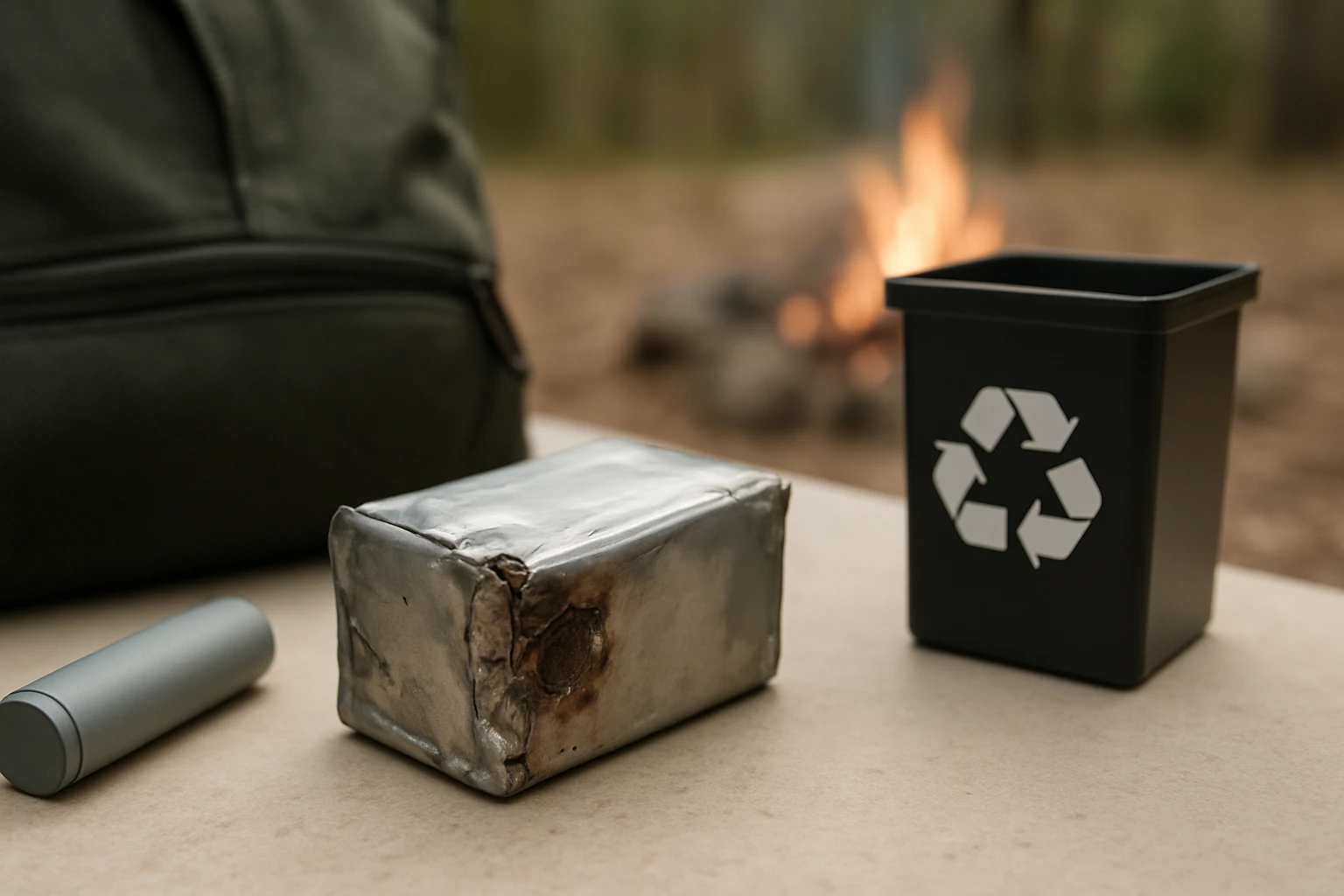
How to Safely Dispose of a Damaged Lithium Battery While Camping: Step‑by‑Step Guide to Prevent Fires
Introduction
Camping enthusiasts often rely on portable electronic devices powered by lithium batteries for navigation, communication, and entertainment. When a lithium battery becomes damaged, it poses a serious fire risk that can jeopardize both personal safety and the natural environment. This guide explains the essential procedures for assessing, isolating, containing, and disposing of a compromised lithium battery while outdoors. By following these steps, one can prevent accidental ignition, comply with environmental regulations, and maintain the integrity of the campsite.
The instructions are organized into clear, actionable steps that can be performed with minimal equipment. Each step includes recommendations for specific products that simplify the process, although the guide remains functional without any purchase. Readers will also receive practical tips, common‑issue troubleshooting, and a concise summary of the tools referenced.
What You’ll Need
- Protective gloves (non‑conductive)
- Fire‑resistant containment container – recommended: Baderke Battery Recycling Container
- Secondary containment option – recommended: Foxtell Battery Recycling Containers
- Portable power source for communication devices – recommended: Jackery Explorer 240D
- Optional high‑capacity power station for larger equipment – recommended: Anker 521 Portable Power Station
- Fire‑extinguishing tablet or Class D fire extinguisher
- Label‑marked disposal bag
- Local recycling facility contact information
Step 1: Assess the Damage
Before handling the battery, observe it from a safe distance to identify visible signs of swelling, leakage, or smoke. Use a flashlight to inspect the casing for punctures or discoloration, which indicate internal short circuits. If the battery emits a faint odor of chemicals, treat it as a potential fire hazard and proceed with heightened caution. Document the make and model of the battery, as this information assists recycling facilities in processing the waste correctly.
During this assessment, the Baderke Battery Recycling Container can be placed nearby to serve as a ready‑made receptacle once the battery is secured. The container’s transparent design allows you to verify that the battery is fully inside before sealing the lid, reducing the chance of accidental exposure.
Step 2: Isolate the Battery
Wear non‑conductive gloves to prevent direct skin contact with potentially corrosive electrolyte. Place the damaged battery on a non‑flammable surface such as a metal tray or a stone slab, ensuring that it does not rest on combustible materials like dry leaves or tents. If the battery is still warm, allow it to cool for at least fifteen minutes while maintaining a safe distance.
For added safety, the Foxtell Battery Recycling Containers provide a secondary barrier; the two‑container set allows you to place the battery in one container and seal it, then store the sealed unit inside the second container for extra protection during transport.
Step 3: Contain the Battery Securely
Transfer the battery into the chosen containment vessel without shaking or tilting it aggressively. The Baderke container features a sealed lid that locks in place, preventing accidental spillage of electrolyte and reducing the risk of short‑circuit propagation. Once the battery is inside, affix the included label to the lid; the label clearly marks the contents as “Used Batteries – Do Not Throw in Regular Trash,” which aids waste handlers.
If you are using the Foxtell set, place the sealed primary container inside the secondary unit and close its lid tightly. This double‑layer approach mirrors best practices used in industrial hazardous‑waste handling, offering an additional safeguard against accidental rupture during movement.
Step 4: Transport to an Authorized Disposal Site
Contact the nearest recycling center or hazardous‑waste collection point before departing the campsite; many national parks provide designated drop‑off locations for battery waste. While traveling, keep the containment unit upright and avoid exposing it to extreme temperatures, as heat can exacerbate internal pressure buildup.
During the journey, the Jackery Explorer 240D can power a satellite communicator or emergency phone, ensuring you remain reachable in case the battery begins to emit heat or smoke en route. The Explorer 240D supplies 200 W of DC output and includes a fast‑charging USB‑C cable, allowing you to keep essential devices operational without relying on campsite power sources.
Step 5: Final Cleanup and Documentation
After delivering the battery to the recycling facility, obtain a receipt or confirmation of proper disposal. Record the date, location, and facility name in a personal log; this documentation proves compliance with environmental regulations and can be referenced for future trips.
If you used the Anker 521 Portable Power Station to run any tools such as a portable fire‑extinguisher charger, ensure the unit is fully recharged before storing it for the next outing. The Anker 521 provides up to 600 W peak power, which is sufficient for powering larger safety equipment without risking depletion of your primary battery supplies.
Tips & Pro Tips
- Never attempt to puncture or dismantle a damaged lithium battery; internal chemicals are highly reactive.
- Carry a Class D fire extinguisher specifically designed for metal fires; water can worsen a lithium fire.
- Store containment containers in a cool, shaded area of your backpack to avoid heat buildup.
- Use the transparent design of the Baderke container to monitor the battery for any swelling while in transit.
- Regularly check the expiration dates of your portable power stations; older units may not deliver rated output.
Troubleshooting
Problem: The battery continues to emit heat after being sealed.
Solution: Move the sealed container to a well‑ventilated, shaded spot away from flammable materials and activate a Class D fire extinguisher if flames appear. Contact emergency services if the temperature rises rapidly.
Problem: The containment lid will not close securely.
Solution: Ensure no debris or battery protrusions are obstructing the seal. If the lid remains misaligned, transfer the battery to the secondary Foxtell container and seal that unit instead.
Conclusion
Proper disposal of a damaged lithium battery while camping requires careful assessment, isolation, containment, and transport to an authorized facility. By following the steps outlined in this guide and utilizing recommended tools such as the Baderke and Foxtell containers, as well as portable power stations for communication, one can significantly reduce the risk of fire and environmental contamination. Maintaining vigilance and adhering to best‑practice safety protocols ensures that outdoor adventures remain both enjoyable and responsible.
Products Mentioned in This Guide
Frequently Asked Questions
What is the first step when you find a damaged lithium battery while camping?
Immediately stop using the device, place the battery in a fire‑resistant container, and keep it away from flammable materials.
Why should you wear non‑conductive gloves when handling a damaged lithium battery?
Non‑conductive gloves protect you from electric shock and prevent skin contact with potentially hazardous chemicals.
Can a damaged lithium battery be disposed of in regular trash at the campsite?
No, it must be sealed in a fire‑resistant container and taken to a proper recycling or hazardous‑waste facility.
What type of container is recommended for containing a damaged lithium battery outdoors?
A metal or high‑temperature‑rated plastic box designed to withstand fire, such as a fire‑proof safety canister.
How can you prevent a damaged lithium battery from igniting while waiting for disposal?
Keep the sealed container in a cool, shaded area away from direct sunlight and avoid puncturing or crushing the battery.