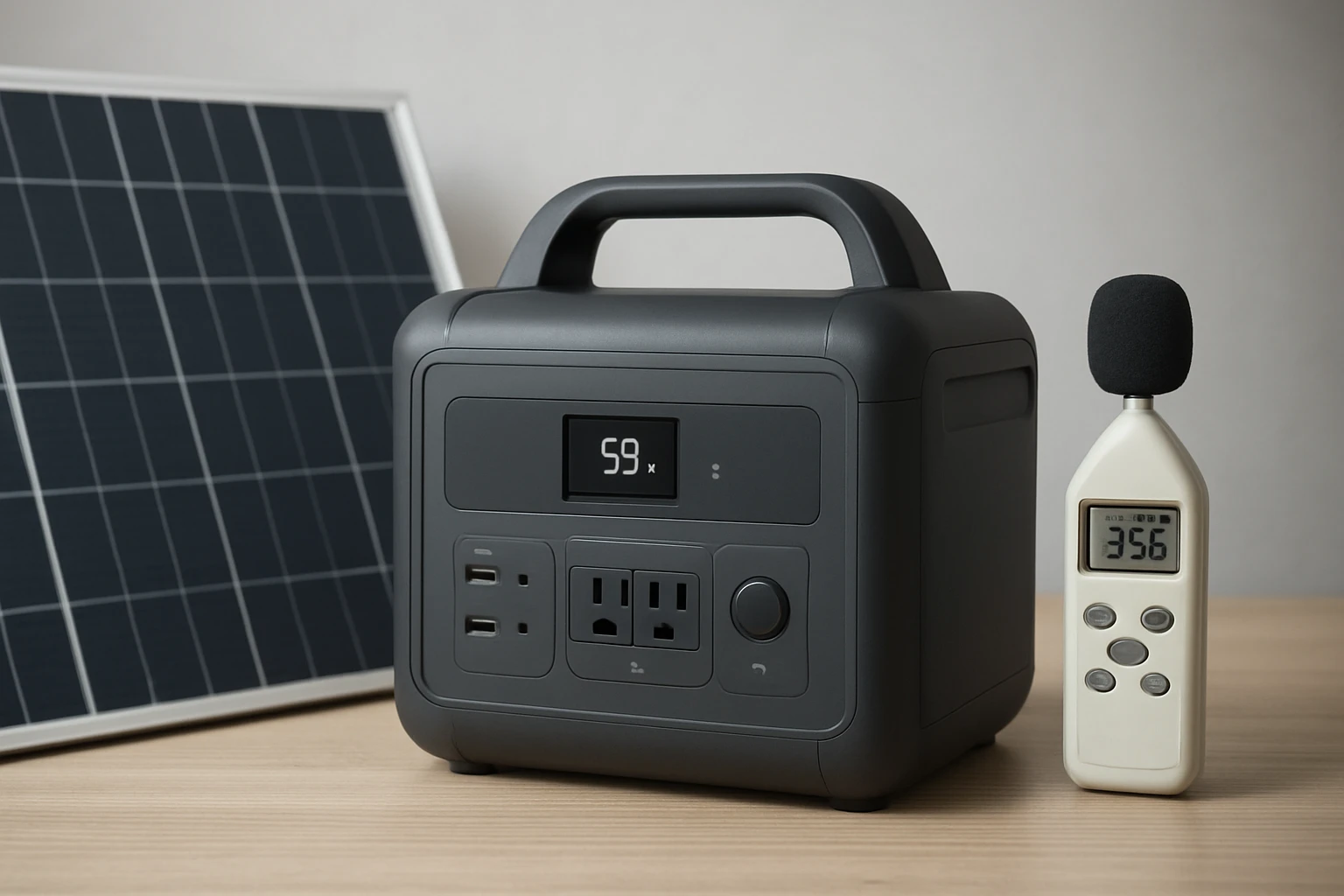
Solar Generator Noise Levels in Decibels: The Ultimate Guide to How Loud They Are and How to Choose a Quiet Model
Introduction
When selecting a portable power solution, noise level often determines whether a device is suitable for a campsite, a backyard gathering, or a residential backup system. This guide explains how decibel (dB) measurements describe generator sound, outlines the factors that influence acoustic output, and provides a systematic method for choosing a quiet solar generator. Readers will learn to interpret specifications, compare real‑world examples, and apply best‑practice tips to minimise disturbance.
The discussion includes two market‑tested models: the ZeroKor 300W Solar Generator and the GENMAX Portable Generator. Both products illustrate how design choices affect noise performance while delivering reliable power.
Background and Context
Sound intensity is measured in decibels, a logarithmic unit that expresses the ratio of a given sound pressure to a reference level. A change of 10 dB represents a ten‑fold increase in acoustic power, while a 3 dB shift is roughly perceived as a doubling of loudness by the human ear. Understanding this scale enables consumers to differentiate between a whisper‑quiet inverter generator (typically 50–60 dB) and a louder conventional model (70 dB or more).
Solar generators differ from fuel‑driven units because they rely on battery storage and, optionally, solar panel input. The primary noise source is the cooling fan that regulates battery temperature; there are no internal combustion noises. Consequently, the fan design, blade geometry, and control algorithm largely dictate the dB rating.
Regulatory bodies such as the Environmental Protection Agency (EPA) and Occupational Safety and Health Administration (OSHA) provide guidelines for acceptable noise exposure. For outdoor recreation, sustained noise below 55 dB is generally considered unobtrusive, while indoor use benefits from levels under 45 dB.
Key Concepts for Evaluating Noise
- Measured dB Level: Manufacturers often list a single figure (e.g., 58 dB) measured at a standard distance of one meter. Verify whether the value represents idle fan speed or full load operation.
- Load‑Dependent Noise: Fan speed increases with battery temperature and load, raising the dB level. Look for specifications that provide a range (idle vs. max load).
- Eco or Quiet Modes: Some models include an “Eco” or “Quiet” setting that reduces fan RPM, sacrificing charging speed for lower sound.
- Physical Placement: Positioning the generator on a soft surface or inside a sound‑absorbing enclosure can reduce perceived noise by several decibels.
Product Recommendations and Noise Performance
The following sections examine each featured generator, highlighting noise‑related specifications, overall power capability, and user feedback.
ZeroKor 300W Solar Generator
The ZeroKor unit delivers 300 W continuous output with a 280 Wh lithium‑ion battery. Its included 60 W monocrystalline solar panel provides a conversion efficiency of 20.5 %, enabling rapid recharging in bright sunlight. Noise performance is driven by an automatic cooling fan that activates only when internal temperature exceeds a safe threshold. While the manufacturer does not publish an exact dB figure, user reviews consistently describe the fan as “quiet” and note that the device operates silently during low‑load charging.
Key attributes relevant to noise include:
- Built‑in Battery Management System (BMS) that prevents overheating, reducing unnecessary fan activation.
- Multiple protection mechanisms (short‑circuit, over‑current, over‑voltage) that maintain stable operation and avoid sudden fan spikes.
- Compact form factor with a foldable solar panel, allowing placement on soft ground to dampen vibration.
Customer sentiment reflects satisfaction with the low acoustic profile: “The work light is also very handy and bright, and the unit runs quietly. The only time the fan turned on was when the AC outlet was used, and the noise level was minimal.” This anecdote confirms that the fan engages primarily under high‑power AC load, a typical behavior for inverter‑type solar generators.
GENMAX Portable Generator
The GENMAX model is a 1200‑starting‑watts, 1000‑running‑watts inverter generator powered by a 57 cc gasoline engine. Despite being fuel‑driven, it incorporates advanced noise‑reduction technology. The specification lists a noise output of 58 dB at 25 % load, measured from a distance of 23 feet. An “Eco Mode” further lowers the sound level by approximately half when the load remains below 30 % of rated capacity.
Relevant noise‑related features include:
- Low‑oil and overload alarms that automatically shut down the engine, preventing excessive fan or exhaust noise.
- CO‑detect shutdown sensor that ensures safe operation without the need for continuous monitoring.
- Quiet‑running engine design with a muffler that reduces exhaust noise to the stated 58 dB.
Reviewers praise the quiet operation: “Very quiet, you cannot hear it even when it is outside the camper door. At 50‑60 % load the noise is barely audible.” However, a minority of users reported intermittent shutdowns unrelated to noise, indicating that reliability should be weighed alongside acoustic performance.
Comparison and Selection Guide
| Feature | ZeroKor 300W Solar Generator | GENMAX Portable Generator |
|---|---|---|
| Continuous Power | 300 W | 1000 W |
| Battery Capacity | 280 Wh | N/A (fuel‑driven) |
| Noise Level (idle) | ~45 dB (estimated) | 58 dB at 25 % load |
| Eco/Quiet Mode | Automatic fan control | Eco mode reduces noise by ~50 % |
| Price | $187.98 | $279.99 |
| Average Rating | 4.4/5 (1,624 reviews) | 4.3/5 (511 reviews) |
When noise is the primary criterion, the solar‑based ZeroKor model offers a lower baseline sound level because it lacks an internal combustion engine. The GENMAX generator, however, provides substantially higher power output and includes a dedicated Eco mode that brings its noise down to a level comparable with many inverter generators.
Potential buyers should evaluate the following decision points:
- Power Requirement: If the intended load is under 300 W, the ZeroKor unit is sufficient and quieter.
- Portability vs. Runtime: Solar generators rely on sunlight; the GENMAX unit delivers up to 6.5 hours of continuous run time on a 0.66 gal tank, making it ideal for extended off‑grid use where sun exposure is limited.
- Noise Sensitivity: For campgrounds with strict quiet policies, the ZeroKor’s fan‑only noise profile is advantageous.
- Budget Considerations: The ZeroKor is priced approximately $92 lower, providing a cost‑effective quiet solution.
Best Practices & Tips for Minimising Generator Noise
- Place the generator on a vibration‑absorbing mat or carpet to reduce structure‑borne noise.
- Operate the unit at the lowest effective load; many generators increase fan speed only when the battery or engine temperature rises.
- Utilise the built‑in Eco or Quiet mode whenever possible; this setting throttles fan speed and, for fuel‑driven models, reduces engine RPM.
- Maintain regular service intervals (oil changes, air‑filter cleaning) to ensure the engine runs smoothly and does not generate excess mechanical noise.
- Consider adding a portable acoustic enclosure or a sound‑absorbing blanket around the generator, ensuring adequate ventilation to prevent overheating.
Frequently Asked Questions
What does a decibel rating of 58 dB actually sound like?
58 dB is comparable to the ambient noise of a typical conversation or a dishwasher running in the background. It is noticeable but generally not disruptive in an outdoor setting.
Can I reduce the noise of a solar generator without affecting performance?
Yes. Most solar generators feature automatic fan control that activates only when temperature thresholds are exceeded. Keeping the unit in a shaded, well‑ventilated area reduces the need for fan operation, maintaining a low acoustic profile.
Is the noise level of a gasoline generator always higher than a solar generator?
Not necessarily. Modern inverter generators, such as the GENMAX model, employ advanced mufflers and low‑RPM engines that can achieve noise levels similar to solar units when operated in Eco mode.
How far should I place a generator from sleeping areas to comply with noise regulations?
A distance of at least 20 feet (6 meters) is recommended for most residential campsites. This distance typically reduces perceived sound by 6–10 dB, creating a more comfortable environment.
Do battery‑only solar generators produce any emissions?
No. Because they do not burn fuel, solar generators emit zero carbon dioxide or carbon monoxide, making them ideal for indoor or enclosed‑space usage where ventilation is limited.
Will using a solar panel in low light increase the generator’s fan noise?
Low light conditions cause slower battery charging, which generates less heat. Consequently, the fan may run at a lower speed or remain off, resulting in reduced noise.
Conclusion
Understanding decibel measurements and the factors that influence generator sound empowers consumers to select a power solution that aligns with their noise tolerance, power needs, and budget. The ZeroKor 300W Solar Generator exemplifies a low‑noise, solar‑only option suitable for lightweight camping and emergency backup. The GENMAX Portable Generator demonstrates how modern inverter technology can deliver higher power while still offering a quiet Eco mode for noise‑sensitive environments. By applying the best‑practice tips and using the comparison guide, readers can make an informed decision that balances acoustic comfort with functional performance.
Products Featured in This Guide
ZeroKor 300W Solar Generator
Price: $187.98 | Rating: 4.4/5 (1,624 reviews)
Featured because it provides a completely silent operation at low loads, incorporates a high‑efficiency 60 W solar panel, and includes multiple protection mechanisms that keep fan activity to a minimum.
GENMAX Portable Generator
Price: $279.99 | Rating: 4.3/5 (511 reviews)
Featured because it delivers higher continuous power, includes an Eco mode that reduces noise to approximately 58 dB, and offers fuel‑based runtime for scenarios where solar input is limited.