Introduction
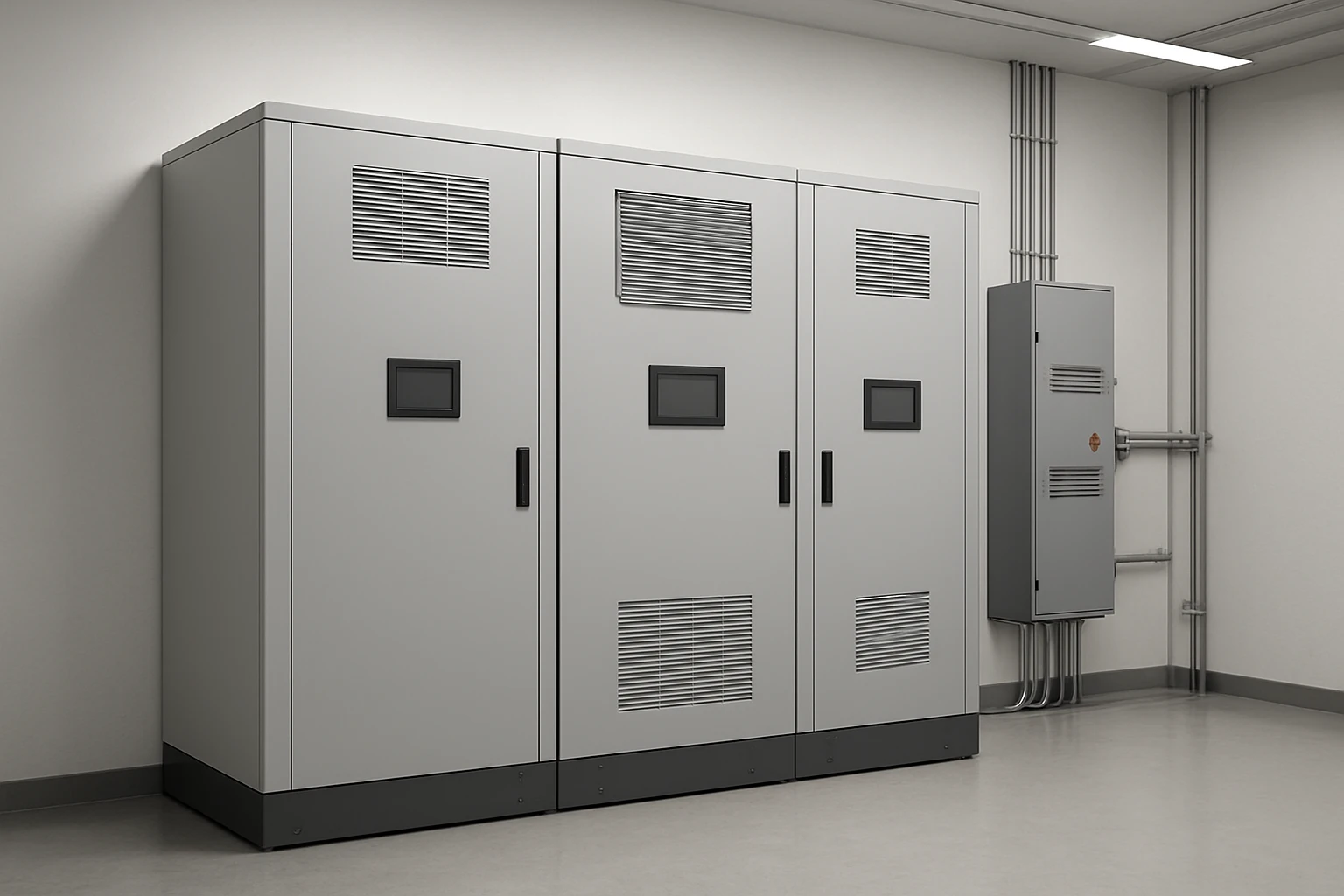
This guide provides a thorough exploration of ultracapacitor‑battery hybrid power stations. Readers will learn the fundamental science, design considerations, practical benefits, and real‑world use cases. The article also recommends two market‑proven products that illustrate the concepts discussed. By the end of the guide, one will possess the knowledge required to evaluate, select, and deploy hybrid power solutions with confidence.
Background and Context
Hybrid power stations combine the high‑energy density of chemical batteries with the rapid charge‑discharge capability of ultracapacitors. Batteries store energy chemically, delivering sustained power over long periods, while ultracapacitors store energy electrostatically, enabling near‑instantaneous power bursts. The synergy between the two technologies mitigates the weaknesses of each component, resulting in systems that are both resilient and efficient.
Key technical terms include "energy density" (the amount of energy stored per unit mass), "power density" (the rate at which energy can be delivered), and "cycle life" (the number of charge‑discharge cycles before performance degrades). Understanding these metrics is essential when comparing hybrid solutions to pure‑battery or pure‑ultracapacitor alternatives.
In recent years, advances in supercapacitor materials and battery management systems have reduced cost and increased reliability. Consequently, hybrid stations are finding applications in residential backup, off‑grid solar installations, emergency response vehicles, and portable field equipment.
Design Principles of Hybrid Power Stations
Effective hybrid designs adhere to three core principles: energy balancing, thermal management, and intelligent control. Energy balancing ensures that the battery supplies baseline load while the ultracapacitor handles transient spikes. Thermal management protects both components from overheating during high‑current events, often employing active cooling fans and heat‑sink designs. Intelligent control algorithms, typically embedded in a microcontroller, monitor state‑of‑charge, temperature, and load demand to allocate power optimally.
When integrating a hybrid station with solar photovoltaic (PV) arrays, a maximum power point tracking (MPPT) charge controller is indispensable. MPPT maximizes the power extracted from the panels by adjusting the load impedance to match the PV voltage‑current curve. In a hybrid system, the MPPT controller can direct excess solar energy to the ultracapacitor for immediate use, while simultaneously charging the battery for later consumption.
Safety mechanisms such as over‑current protection, short‑circuit detection, and reverse‑current blocking are mandatory. These safeguards prevent damage to the power electronics and ensure compliance with grid‑interconnection standards when the system is used in a grid‑tied configuration.
Key Components and Their Roles
- Battery Pack: Provides long‑duration energy storage, typically lithium‑ion, lead‑acid, or LiFePO4 chemistries.
- Ultracapacitor Bank: Supplies rapid power bursts, improves voltage stability, and extends battery cycle life.
- MPPT Charge Controller: Optimizes solar input and manages charging of both storage elements.
- Inverter: Converts DC from the hybrid storage into AC for household or industrial loads.
- Control Unit: Executes algorithms for power distribution, health monitoring, and communication with user interfaces.
Product Recommendations
The following products exemplify well‑engineered hybrid solutions and illustrate how the principles described above are applied in practice.
Powland 6500W Solar Hybrid Inverter
The Powland 6500W Solar Hybrid Inverter integrates a 6500‑watt pure sine‑wave inverter with a built‑in 120‑amp MPPT charge controller. It supports 48‑volt lead‑acid or LiFePO4 battery banks and can be paralleled with up to five additional units for a combined output of 39 kW. Key specifications include a voltage regulation of 120 V ± 5 %, PV input range of 120‑300 V DC, and a maximum PV current of 22 A. The unit features Wi‑Fi connectivity (additional adapter required) for remote monitoring via a dedicated app, and it offers comprehensive protections such as overload, over‑temperature, and short‑circuit safeguards. Current Amazon pricing lists the inverter at $619.99 with a rating of 3.9 out of 5 stars based on nine reviews.
KeenPower 6000A Super Capacitor Jump Starter
The KeenPower 6000A Super Capacitor Jump Starter showcases the latest supercapacitor technology, employing six 3000 F capacitors that deliver a peak current of 6285 A. Unlike traditional battery‑based jump starters, this device can be fully charged in three minutes and is ready for use without pre‑charging. It operates reliably in extreme temperatures ranging from –45 °F to 158 °F, and it boasts a cycle life exceeding one million charges, far surpassing conventional lead‑acid counterparts. The product is priced at $199.99 and holds a rating of 4.6 out of 5 stars from eighty‑two reviews. Although primarily a vehicle‑starting tool, its rapid‑release power capability illustrates the potential of ultracapacitors in hybrid energy systems.
Comparison and Selection Guide
Choosing the appropriate hybrid power station depends on three primary factors: power requirement, portability, and integration complexity. The table below contrasts the two featured products across these dimensions.
| Criterion | Powland 6500W Solar Hybrid Inverter | KeenPower 6000A Super Capacitor Jump Starter |
|---|---|---|
| Primary Function | Grid‑tied solar inverter with battery integration | High‑current vehicle jump starter |
| Power Rating | 6500 W continuous, 39 kW scalable | Peak 6285 A for short bursts |
| Energy Storage | Works with external 48 V battery banks | Built‑in supercapacitor bank |
| Portability | Stationary, wall‑mountable | Handheld, lightweight |
| Connectivity | Wi‑Fi (adapter required) for remote monitoring | No wireless features |
| Price | $619.99 | $199.99 |
| Customer Rating | 3.9/5 (9 reviews) | 4.6/5 (82 reviews) |
For residential solar installations requiring continuous power and grid interaction, the Powland inverter is the logical choice. Conversely, for users who need an instant high‑current boost in remote or emergency scenarios, the KeenPower jump starter demonstrates the advantages of ultracapacitor technology.
Best Practices and Tips
- Perform a thorough load analysis before selecting a hybrid system. Identify baseline consumption and peak demand to size both battery and ultracapacitor components appropriately.
- Maintain a temperature‑controlled environment for the inverter and battery bank. Excess heat can accelerate degradation, while extreme cold reduces battery efficiency.
- Utilize the MPPT charge controller to maximize solar harvest. Periodically clean photovoltaic panels and verify wiring integrity to sustain optimal voltage.
- Implement regular health checks using the device’s monitoring app or built‑in LCD display. Track state‑of‑charge, temperature, and fault logs to pre‑empt failures.
- When paralleling multiple inverters, ensure identical firmware versions and synchronized settings to avoid phase mismatches and circulating currents.
Frequently Asked Questions
What is the main advantage of combining ultracapacitors with batteries?
The combination leverages the high power density of ultracapacitors for transient loads while preserving the high energy density of batteries for sustained operation. This results in longer battery life and improved overall system efficiency.
Can a hybrid power station operate off‑grid without solar input?
Yes, the system can draw energy solely from the battery bank, with the ultracapacitor providing short‑term power spikes. However, without solar input, the battery will deplete over time, limiting runtime.
How often should the ultracapacitor bank be inspected?
Ultracapacitors require minimal maintenance, but visual inspection for physical damage and periodic capacitance testing are recommended every twelve months.
Is Wi‑Fi connectivity essential for inverter performance?
Wi‑Fi is not required for core inverter functionality, but it enables remote monitoring, firmware updates, and data logging, which enhance user experience and system reliability.
What safety certifications should a hybrid inverter possess?
Look for UL, CE, and IEC certifications, as well as compliance with local grid‑interconnection standards such as IEEE 1547. These certifications verify that the device meets rigorous safety and performance criteria.
Conclusion
Ultracapacitor‑battery hybrid power stations represent a mature technology that delivers both rapid response and sustained energy delivery. By understanding the underlying principles, evaluating key specifications, and following best‑practice installation guidelines, users can deploy systems that are resilient, efficient, and future‑proof. The featured products illustrate practical implementations of hybrid concepts, providing tangible reference points for further exploration.
Products Featured in This Guide
Powland 6500W Solar Hybrid Inverter
Price: $619.99 | Rating: 3.9/5 (9 reviews)
Featured because it integrates a high‑capacity inverter with a built‑in MPPT charge controller, supports parallel expansion, and demonstrates grid‑tied hybrid operation.
KeenPower 6000A Super Capacitor Jump Starter
Price: $199.99 | Rating: 4.6/5 (82 reviews)
Featured because it showcases cutting‑edge supercapacitor technology, rapid charging, extreme temperature tolerance, and a cycle life that exemplifies the durability advantages of ultracapacitors in hybrid designs.