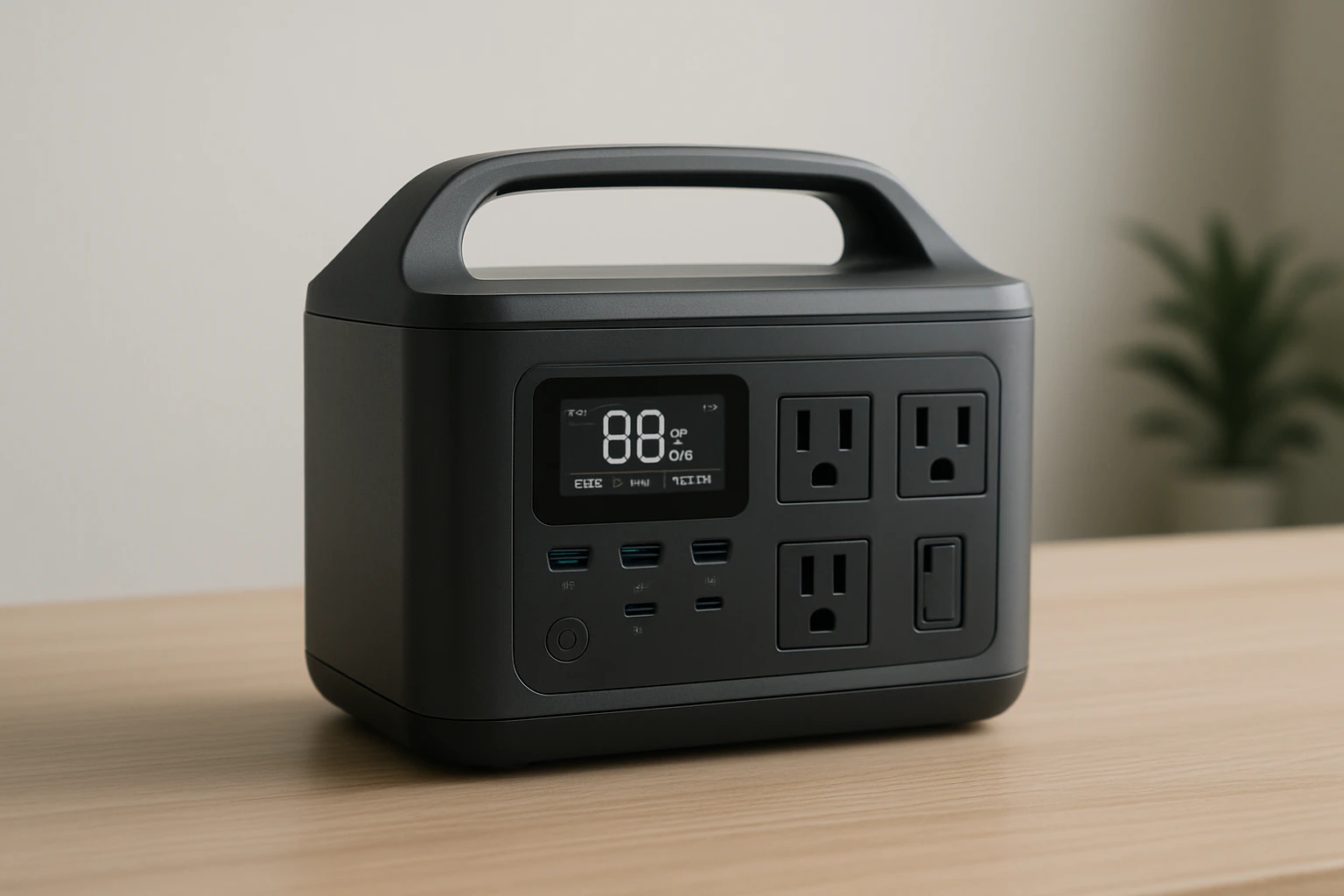
Where to Buy Used Portable Power Stations Safely: The Ultimate Guide to Trusted Sellers & Safety Checks
Introduction
Portable power stations have become essential tools for outdoor enthusiasts, remote workers, and households prone to power outages. Many consumers consider purchasing a used unit to reduce costs, but the secondary market presents unique risks that require careful navigation. This guide explains how to identify reputable sellers, perform thorough safety checks, and select a model that aligns with specific power needs. By the end of the article, readers will possess a systematic approach to buying used power stations with confidence.
Background & Context
Modern portable power stations combine lithium‑based batteries, inverter technology, and multiple output ports into a single, transportable package. The most common chemistries are lithium‑ion and lithium‑iron‑phosphate (LiFePO4), the latter offering superior cycle life and thermal stability. Understanding battery health, inverter capacity, and charging options is crucial when evaluating a pre‑owned unit because these factors directly affect reliability during emergencies or off‑grid adventures.
In addition to technical specifications, the market is shaped by three primary channels: online marketplaces such as Amazon and eBay, local classified platforms like Craigslist or Facebook Marketplace, and specialty refurbishers that offer certified pre‑owned devices. Each channel has distinct advantages and challenges related to pricing transparency, return policies, and seller accountability.
How to Find Trusted Sellers
Online Marketplaces
Large platforms provide buyer protection programs, verified seller ratings, and often allow returns within a limited window. When browsing listings, prioritize sellers with a minimum of 95% positive feedback and a history of handling electronics. Look for detailed photographs, serial numbers, and clear descriptions of the unit's condition.
Local Classifieds
Face‑to‑face transactions enable immediate visual inspection and the opportunity to test the device before payment. Arrange meetings in public, well‑lit locations and request that the seller demonstrate the power station powering a load for at least five minutes. Verify that the battery indicator reflects a realistic charge level and that the unit powers on without unusual noises.
Specialty Refurbishers
Companies that specialize in refurbished power stations typically perform factory‑level testing, replace worn cells, and offer limited warranties. Although the price may be slightly higher than a private sale, the added assurance of a functional battery and verified specifications often justifies the expense.
Evaluating Product Condition
Visual Inspection
Examine the enclosure for dents, cracks, or signs of water intrusion, as physical damage can compromise internal components. Check that all ports are intact, free of corrosion, and that the LCD or LED display operates without dead pixels. Confirm that any included accessories—cables, car adapters, or solar panels—match the original specifications.
Battery Health Checks
Battery capacity deteriorates over time; a used unit should retain at least 80% of its original rated capacity. Request a recent cycle test or use a multimeter to measure voltage after a full charge. For LiFePO4 models, a standby draw of less than 5 W indicates healthy cells, while higher draws may signal degradation.
Firmware and Warranty Verification
Many power stations support firmware updates that improve efficiency and safety. Ask the seller to demonstrate the latest firmware version and confirm that the serial number is still eligible for any manufacturer warranty. Even if the official warranty has expired, a refurbished unit may include a limited seller‑provided guarantee.
Recommended Models for the Used Market
While the principles above apply to any unit, certain models offer a balance of performance, durability, and resale value that makes them especially suitable for second‑hand purchases.
BLUETTI Elite 30 V2
- Power Output: 600 W continuous, 1500 W surge (Power Lifting Mode)
- Battery: 288 Wh LiFePO4, 10 ms ultra‑fast UPS switch
- Charging: 8 modes, 380 W wall charge (0‑80% in 45 min)
- Weight: 9.4 lb, portable for camping and emergency backup
- Rating: 4.5/5 from 495 reviews, price $239.00
This model is praised for its robust surge capability, which allows it to run small appliances such as kettles or CPAP machines during outages. The LiFePO4 chemistry provides a long cycle life, making it a sensible choice for buyers who expect years of use after purchase.
Anker SOLIX C300
- Power Output: 300 W continuous, 600 W surge
- Battery: 288 Wh LiFePO4, 140 W dual USB‑C fast charging
- Ports: 3 AC outlets, 1 car socket, 2 high‑power USB‑C, 1 USB‑A
- Charge Time: 80% in 50 min via wall outlet
- Rating: 4.6/5 from 1,639 reviews, price $229.99
The SOLIX C300 excels in versatility, offering two 140 W USB‑C ports that can charge laptops and drones simultaneously. Its quiet 25 dB operation and compact design make it ideal for campers who value low noise levels.
HOWEASY 120W Portable Power Station
- Power Output: 120 W continuous, 240 W peak
- Battery: 88 Wh lithium, 8 output ports including 2 AC sockets
- Weight: 2.3 lb, ultra‑light for short trips
- Charge Options: AC, solar (15‑24 V), car
- Rating: 4.3/5 from 1,593 reviews, price $59.97
For users on a tight budget, the HOWEASY unit provides sufficient power for lights, fans, and small electronics. Its built‑in LED with SOS mode adds an emergency signaling capability that can be valuable in remote situations.
Comparison & Selection Guide
| Feature | BLUETTI Elite 30 V2 | Anker SOLIX C300 | HOWEASY 120W |
|---|---|---|---|
| Battery Capacity | 288 Wh LiFePO4 | 288 Wh LiFePO4 | 88 Wh Li‑ion |
| Continuous Power | 600 W | 300 W | 120 W |
| Surge Power | 1500 W | 600 W | 240 W |
| Weight | 9.4 lb | ~10 lb | 2.3 lb |
| Port Variety | AC, DC, USB‑C, USB‑A | 3 AC, 2 USB‑C, USB‑A, car | 2 AC, USB‑C, QC 3.0, DC |
| Price (USD) | $239.00 | $229.99 | $59.97 |
| Average Rating | 4.5/5 | 4.6/5 | 4.3/5 |
Choose the BLUETTI Elite 30 V2 if you require high surge power for appliances such as a mini‑toaster or CPAP machine. Opt for the Anker SOLIX C300 when you value fast USB‑C charging and a quieter operation during extended camping trips. The HOWEASY 120W is best suited for lightweight travel where only essential devices like phones, lights, and a small fan need power.
Best Practices & Tips
- Always request a recent charge‑discharge cycle report; a drop of less than 20% after a full load indicates healthy cells.
- Verify that the unit includes original accessories; missing cables can reduce resale value and may affect safety.
- When possible, test the UPS function by simulating a brief power loss; the unit should switch to battery within 10 ms without rebooting connected devices.
- Store the power station at 40‑60 % charge if it will remain idle for more than a month; this minimizes capacity loss for lithium batteries.
- Document the serial number and take photos of the device before completing the transaction; this provides evidence in case of disputes.
Frequently Asked Questions
- Can I safely use a used power station for emergency home backup?
- Yes, provided the battery retains at least 80% of its original capacity, the UPS function operates correctly, and the unit has been inspected for physical damage.
- How long does a typical 288 Wh unit run a laptop?
- Most modern laptops draw 30‑45 W; a fully charged 288 Wh battery can power such a laptop for roughly 6‑9 hours, depending on usage patterns.
- Is LiFePO4 better than lithium‑ion for used purchases?
- LiFePO4 cells have a longer cycle life, lower risk of thermal runaway, and maintain capacity better over time, making them a safer choice for second‑hand buyers.
- What should I do if the seller claims the unit is “refurbished” but provides no documentation?
- Request a detailed inspection report, ask for a short test period, and consider purchasing through a platform that offers a money‑back guarantee.
- Can I upgrade the solar panel on a used power station?
- Most models support a range of compatible panels; verify the voltage and current specifications in the user manual before adding a higher‑wattage panel.
Conclusion
Purchasing a used portable power station can deliver significant savings while still providing reliable backup power for emergencies, travel, or outdoor work. By following the seller‑verification steps, performing thorough condition checks, and selecting a model that matches power requirements, buyers mitigate the primary risks associated with the secondary market. The three featured units—BLUETTI Elite 30 V2, Anker SOLIX C300, and HOWEASY 120W—illustrate a spectrum of capacity, price, and feature sets, enabling readers to make an informed decision based on budget and intended use.
Products Featured in This Guide
BLUETTI Elite 30 V2
Price: $239.00 | Rating: 4.5/5 (495 reviews)
Featured for its high surge capacity, LiFePO4 battery longevity, and fast 380 W wall charging that make it a reliable choice for emergency backup and outdoor adventures.
Anker SOLIX C300
Price: $229.99 | Rating: 4.6/5 (1,639 reviews)
Featured for its dual 140 W USB‑C fast‑charging ports, quiet operation, and versatile output options that suit tech‑savvy travelers and remote workers.
HOWEASY 120W Portable Power Station
Price: $59.97 | Rating: 4.3/5 (1,593 reviews)
Featured for its ultra‑light weight, affordable price, and sufficient output for essential electronics, making it ideal for budget‑conscious hikers and short‑duration trips.